Menu Website

- Home
- MediaOutReach
- A New Category Is Emerging in the Premium Residential Market - the "Presidence"

A New Category Is Emerging in the Premium Residential Market - the "Presidence"
Kamis, 13 Agustus 2026 | 11:52
Link berita berhasil disalin!

Experts say a self-contained, service-led residential format built for multigenerational ownership is emerging at the very top of the market - and that demand for it is rising worldwide.
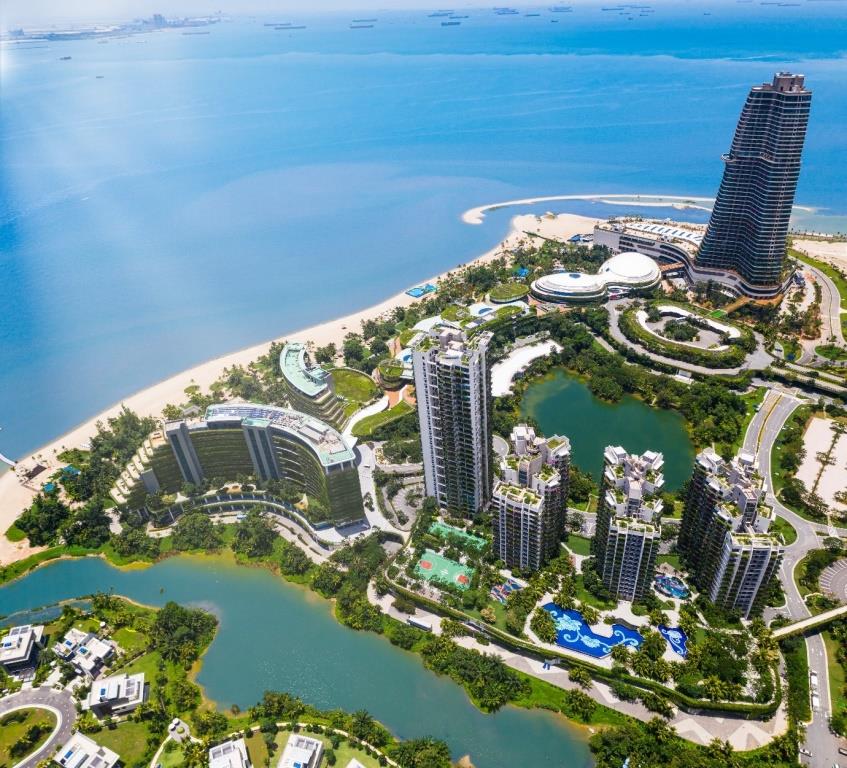
SINGAPORE - Media OutReach Newswire - 13 August 2026 - Experts in premium residential real estate note that a distinct new category is forming at the top of the market, and that demand for it is rising around the world. Property market specialists describe the emerging tier as the presidence: a self-contained community of private residences bound together by shared infrastructure and anchored by a five-star hotel under an international brand - a format designed to be lived in and passed down across generations, rather than simply owned.The trend reflects a structural shift in global wealth. According to Knight Frank's Wealth Report 2026, the number of individuals worth more than US$30 million climbed from 551,435 to 713,626 between 2021 and 2026 - a gain of more than 160,000, equivalent to 89 people crossing that threshold every day. Forbes, meanwhile, records 3,428 billionaires worth a combined US$20.1 trillion.
This wealth is also increasingly mobile. Henley & Partners projects that 165,000 high-net-worth individuals will relocate internationally in 2026 - a 16 per cent rise on the record 142,000 of 2025 - as affluent families build cross-border portfolios of homes and residence rights rather than tying themselves to a single jurisdiction. The appetite for professionally serviced, brand-anchored homes is visible in the development pipeline: Savills reports that the number of branded residential schemes worldwide grew 19 per cent in 2025, to around 910, and is on course to reach 1,747 by 2032, with the Middle East and North Africa the fastest-growing region over the past five years, at 187 per cent.
As the apex of the wealth pyramid rises, specialists say, demand at the very top is moving away from headline price-per-square-foot toward space, privacy, wellbeing, autonomy and a home that can be held and handed down across generations. The case for treating this as a distinct category was set out in a recent column by real estate adviser Ku Swee Yong, CEO of International Property Advisor Pte Ltd and an adjunct faculty member at Singapore Management University, where he teaches Real Estate Investments & Finance."Luxury residence has a new crown, and it has a name: presidence," he writes.
According to the expert, a property of this kind should meet several defining criteria: it should occupy an exceptional location among peer residences, be built to the highest standards of quality, provide space, a healthy natural environment, security and self-sufficiency, and create a place where owners and their families can live out every stage of life - building careers, raising children, enjoying leisure, prioritising health and wellbeing, welcoming family and friends, and ultimately passing the home down through generations. Privacy in this case does not mean isolation: rather than retreating behind their own gates, members of the presidence become part of a carefully formed community of peers, surrounded by people with comparable values, interests and ways of life.
These principles are, in practice, being formalised into a fuller set of criteria that distinguish a presidence from a conventional luxury development. At its most complete, the format is defined by:
- - A five-star hotel operated by an international brand present in at least three countries, located within the development;
- - A single estate of 200 hectares (around 500 acres) or more;
- - Full-spectrum infrastructure within one perimeter - indoor and outdoor sport, a central clubhouse, wellness, dining, parks and natural areas, a medical centre, recreation and security, plus a lifestyle anchor such as a golf, equestrian or yacht club;
- - A clear separation of public and private zones, with residences kept behind their own multi-layered security perimeter and isolated from guest-facing spaces such as the hotel, restaurants and spa;
- - A 24/7 premium service model featuring a dedicated resident care team, concierge services, standardised service-level agreements (SLAs), and a digital platform for managing every household and lifestyle need;
- - A unified architectural code governing the style and coherence of every building on the estate;
- - An equal-neighbour principle, under which a community of like-minded owners who can enjoy privacy while remaining part of an engaging social environment is formed.
Fully integrated examples remain rare worldwide, and demand, specialists
say, is running ahead of supply as the number of ultra-wealthy
households continues to grow.
📢 Publisir Berita & Kegiatan Instansi Anda di RiauGreen
Jangkau pembaca luas & terindeks Google News. Pilih paket rilis pers, advertorial, atau kemitraan media.
BERITA LAINNYA
Kamis, 13 Agustus 2026 | 14:44
Kamis, 13 Agustus 2026 | 13:48
Kamis, 13 Agustus 2026 | 11:52
Kamis, 13 Agustus 2026 | 11:52
Kamis, 13 Agustus 2026 | 11:51
Kamis, 13 Agustus 2026 | 11:50
Kamis, 13 Agustus 2026 | 11:49

Kamis, 13 Agustus 2026 | 11:49
Kamis, 13 Agustus 2026 | 11:48
BERIKAN KOMENTAR


-
-
 Kamis, 13 Agustus 2026 | 14:48
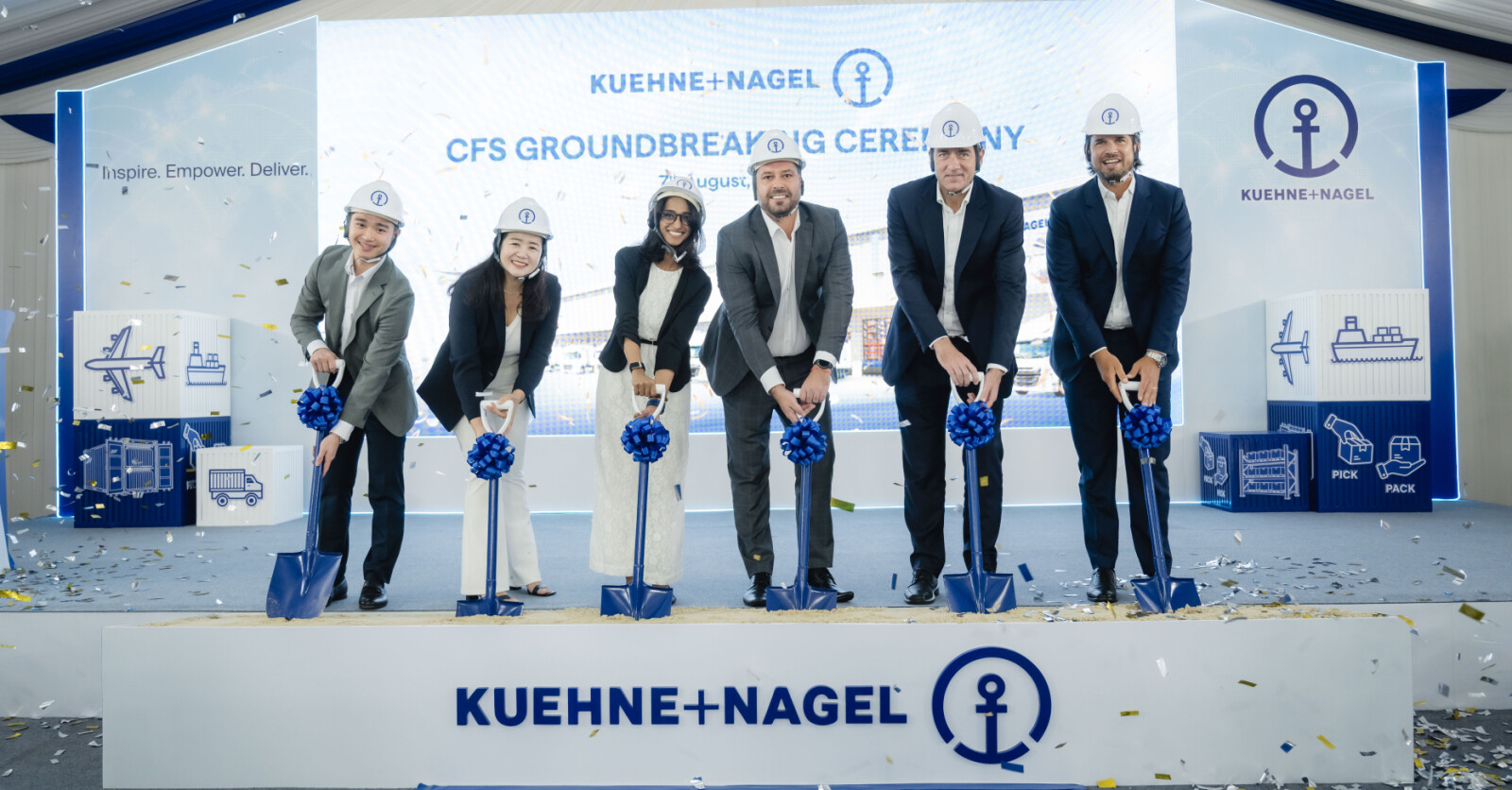
Kuehne+Nagel Berinvestasi pada Stasiun Pengangkutan Kontainer (CFS) Baru di di Kamboja
-
 Kamis, 13 Agustus 2026 | 14:48
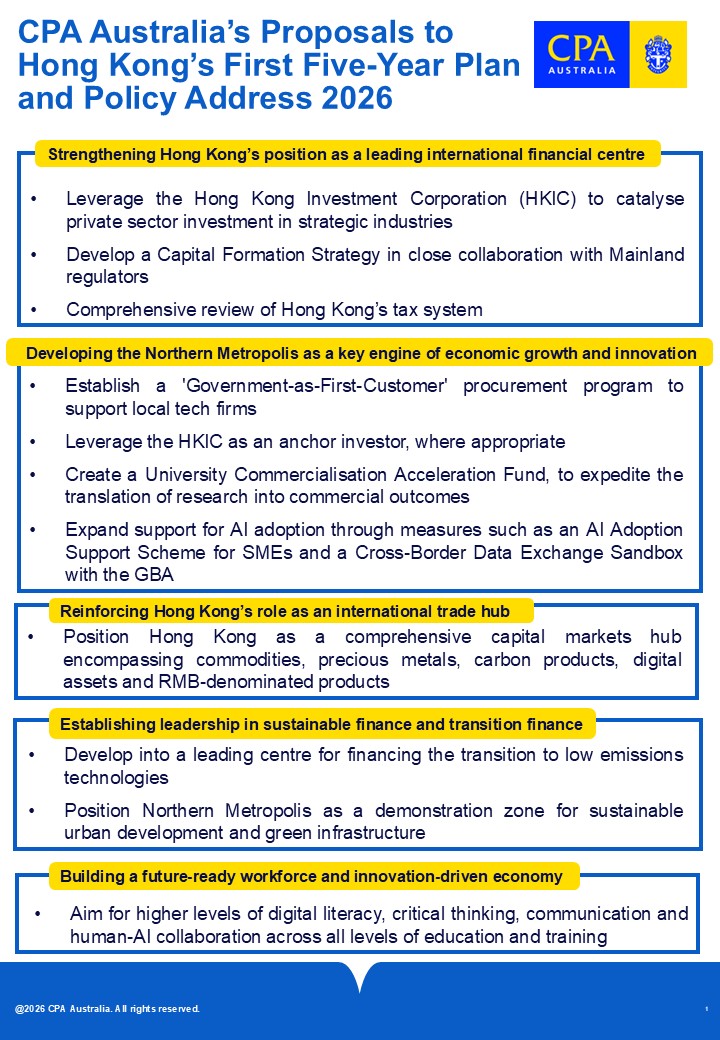
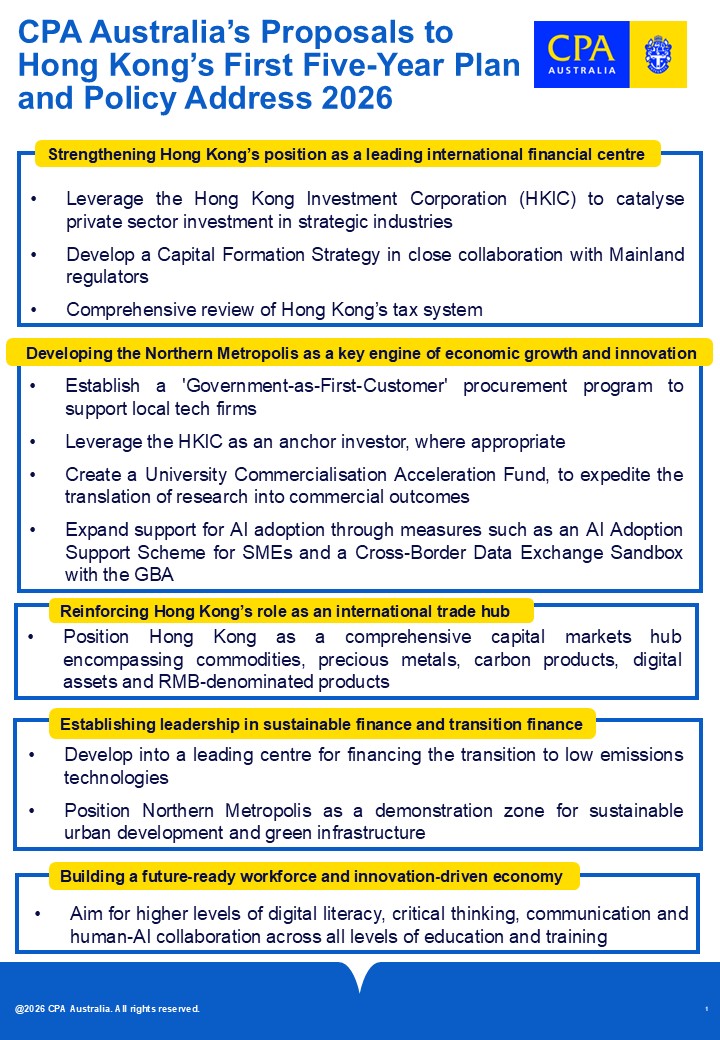
CPA Australia Paparkan Rekomendasi bagi Rencana Lima Tahun Pertama Hong Kong dan Policy Address 2026
-
-
-
 Kamis, 13 Agustus 2026 | 14:46
Presidence: Kategori Baru Hunian Ultra-Luxury yang Dirancang untuk Dinikmati dan Diwariskan Lintas Generasi

-
-

-
-
-
 Sabtu, 08 Agustus 2026 | 22:05
Dari Perbaikan Jalan Nasional Hingga Alokasi Hibah, Pemko Dumai Tunjukkan Komitmen Bangun Kota Idaman
-
 Kamis, 06 Agustus 2026 | 20:26
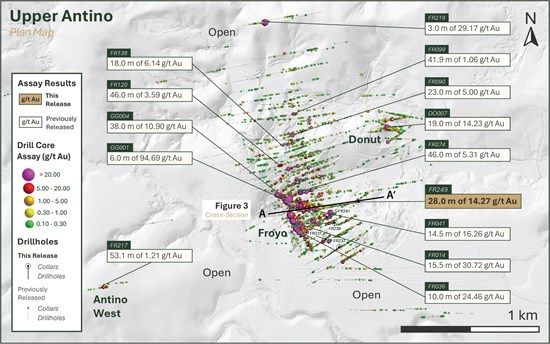
Founders Metals Grows Upper Antino Gold System; Down-Dip Extension Hits 28.0 m of 14.27 g/t Gold