Menu Website

- Home
- MediaOutReach
- Vinhomes Drives Asia's Sustainable Real Estate Evolution Through Integrated ESG Scale

Vinhomes Drives Asia's Sustainable Real Estate Evolution Through Integrated ESG Scale
Kamis, 13 Agustus 2026 | 11:49
Link berita berhasil disalin!
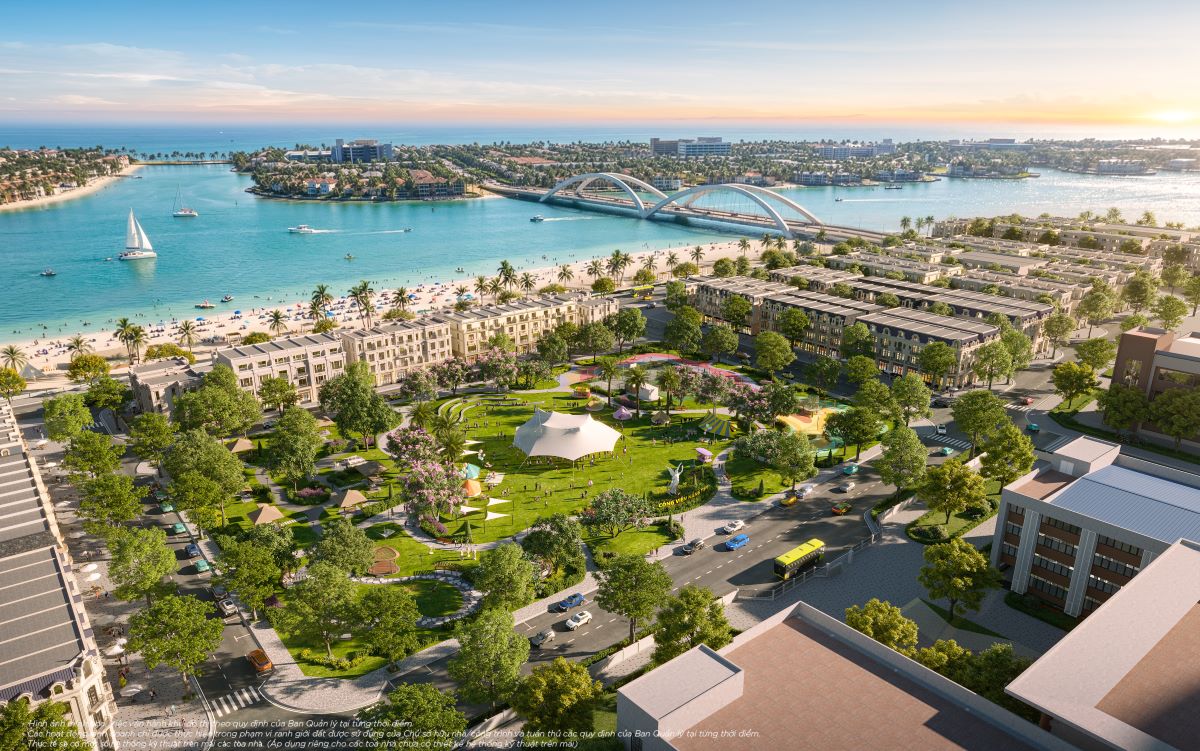
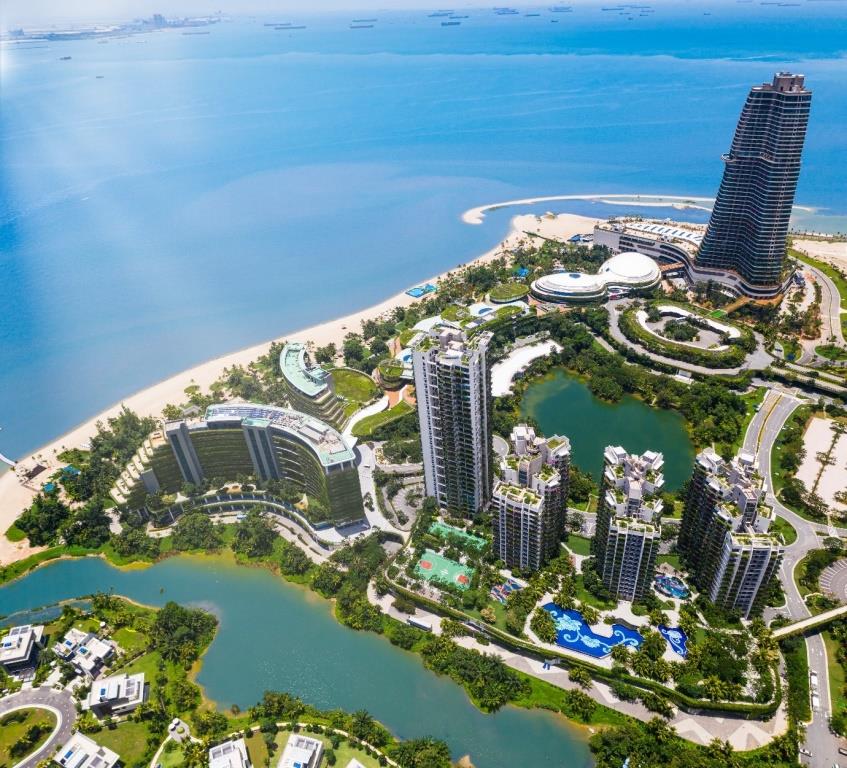
Located in Can Gio, Vinhomes Green Paradise is positioned as the world's first "ESG++" coastal mega-development, expanding beyond traditional sustainability pillars.
HANOI, VIETNAM -
Media OutReach Newswire
- 12 August 2026 - Vinhomes, Vietnam's leading real estate developer,
is fundamentally redefining the role of ESG (Environmental, Social, and
Governance) in urban development. Moving beyond compliance reporting,
the company has embedded ESG principles into every phase of its project
lifecycle, from construction and governance to operations and resident
experience.
Through two landmark coastal mega-developments, Vinhomes Green Paradise, positioned as the world's first "ESG++" city, and Vinhomes Global Gate in Hạ Long, which applies the same principles at landmark scale, Vinhomes is redefining sustainable urban development by adding Regeneration and Resilience to the traditional ESG pillars.
This strategic approach reinforces Vietnam's position within Asia's evolving sustainable real estate landscape, aligning with global institutional investors' growing demand for resilient, future-proof assets.
From compliance to competitive advantage, ESG as an operational backbone
Vinhomes has systematically transformed ESG from a reporting obligation into a competitive differentiator. Across its construction sites, the company applies rigorous environmental management protocols long before projects reach completion. Construction sites deploy dust-suppression systems, automated wheel‑washing stations, real‑time emissions tracking, vibration monitoring, comprehensive wastewater treatment and noise control, measures increasingly expected in developed markets, yet still uncommon when implemented consistently at this scale across mega-projects.
Equally, social governance is a priority. Vinhomes invests heavily in workforce development through technical training, strict occupational safety standards, and competitive welfare policies. On the governance front, the company operates under internationally recognized certifications, including ISO 9001 (quality), ISO 14001 (environment), ISO 45001 (health and safety), and SA8000 (social accountability). Standardized construction management, data transparency, and performance‑based accountability further reduce operational risks and ensure project delivery, with compliance extending across the organisation through environmental and safety procedures, including waste segregation, environmental protection measures, and customer response protocols.
Post‑completion, Vinhomes continues to uphold ESG through integrated property management, centralized security, professional facility services, and digital platforms that simplify daily life. Internal surveys indicate that more than 96% of residents express satisfaction with these services, underscoring how operational excellence increasingly forms part of the company's broader ESG proposition. These efforts have begun earning external recognition: in 2025, Vinhomes received the "Enterprise for Green Community Action" award at the inaugural Vietnam ESG Awards, acknowledging its leadership in integrating ESG principles into both development and operational practices.
Building ESG++ cities, regeneration and resilience as the new frontier
The traditional ESG framework balances environmental protection, social inclusivity, and governance. Vinhomes goes further. Its "ESG++" concept, first embodied in Vinhomes Green Paradise in Can Gio, adds two critical dimensions.
The first is Regeneration, which focuses on actively restoring coastal ecosystems through continuous mangrove reforestation, biodiversity conservation, and environmental education programmes.
The second is Resilience, which entails designing urban infrastructure that can adapt to future climate challenges, including sea‑level rise, rather than merely responding to present conditions.
Vinhomes Green Paradise integrates ecological master planning, renewable energy, efficient water management, and energy‑efficient infrastructure, targeting BREEAM certification for green development and ISO 37122 for smart city performance.
Its social ecosystem, encompassing healthcare, education, cultural venues, sports facilities, and public amenities, is planned to support long‑term community well‑being, not as isolated components but as an interconnected urban fabric.
Governance within Green Paradise is expected to rely heavily on smart-city technologies that optimise transportation, security, public services, and energy management through digital platforms, improving operational efficiency while enhancing residents' daily experience.
Vinhomes Global Gate Ha Long, officially launched on April 25, 2026, applies the same principles to a different geography. Spanning over 6,200 hectares along the Ha Noi - Hai Phong - Quang Ninh expressway and overlooking UNESCO‑listed Hạ Long Bay, the project is strategically positioned as an international urban gateway, sited directly opposite the planned depot station of the future Ha Noi - Quang Ninh high‑speed railway. Once rail services begin, the line will place Ha Long just 23 minutes from the capital, prompting Vinhomes to envision it as a future "New Ha Noi" beside one of the world's most celebrated natural wonders.
More than 2,500 hectares of green spaces, waterways, and mangrove systems are woven into the master plan, including 680 hectares of naturally filtered seawater, approximately 200 km of sandy coastline, and over 660 hectares of Globe Ha Long Forest Park. The development is also targeting ISO 37125 (environmental and social governance for cities), further reinforcing its global sustainability credentials.
As Vietnam's property market enters a more selective recovery phase in 2026, driven by regulatory transparency, disciplined capital allocation, and rising demand for integrated, eco‑responsible developments, Vinhomes' two flagship projects stand out as benchmarks. By combining resilient planning, operational excellence, and internationally verifiable sustainability standards, Green Paradise and Global Gate are poised to attract keen interest from both domestic homebuyers and institutional investors worldwide.
Ultimately, these projects are not merely large‑scale real estate ventures. They represent a compelling case that Vietnam can actively shape the next generation of globally relevant ESG‑driven cities, where economic growth, ecological restoration, and climate adaptation reinforce rather than compete with each other.
Through two landmark coastal mega-developments, Vinhomes Green Paradise, positioned as the world's first "ESG++" city, and Vinhomes Global Gate in Hạ Long, which applies the same principles at landmark scale, Vinhomes is redefining sustainable urban development by adding Regeneration and Resilience to the traditional ESG pillars.
This strategic approach reinforces Vietnam's position within Asia's evolving sustainable real estate landscape, aligning with global institutional investors' growing demand for resilient, future-proof assets.
From compliance to competitive advantage, ESG as an operational backbone
Vinhomes has systematically transformed ESG from a reporting obligation into a competitive differentiator. Across its construction sites, the company applies rigorous environmental management protocols long before projects reach completion. Construction sites deploy dust-suppression systems, automated wheel‑washing stations, real‑time emissions tracking, vibration monitoring, comprehensive wastewater treatment and noise control, measures increasingly expected in developed markets, yet still uncommon when implemented consistently at this scale across mega-projects.
Equally, social governance is a priority. Vinhomes invests heavily in workforce development through technical training, strict occupational safety standards, and competitive welfare policies. On the governance front, the company operates under internationally recognized certifications, including ISO 9001 (quality), ISO 14001 (environment), ISO 45001 (health and safety), and SA8000 (social accountability). Standardized construction management, data transparency, and performance‑based accountability further reduce operational risks and ensure project delivery, with compliance extending across the organisation through environmental and safety procedures, including waste segregation, environmental protection measures, and customer response protocols.
Post‑completion, Vinhomes continues to uphold ESG through integrated property management, centralized security, professional facility services, and digital platforms that simplify daily life. Internal surveys indicate that more than 96% of residents express satisfaction with these services, underscoring how operational excellence increasingly forms part of the company's broader ESG proposition. These efforts have begun earning external recognition: in 2025, Vinhomes received the "Enterprise for Green Community Action" award at the inaugural Vietnam ESG Awards, acknowledging its leadership in integrating ESG principles into both development and operational practices.
Building ESG++ cities, regeneration and resilience as the new frontier
The traditional ESG framework balances environmental protection, social inclusivity, and governance. Vinhomes goes further. Its "ESG++" concept, first embodied in Vinhomes Green Paradise in Can Gio, adds two critical dimensions.
The first is Regeneration, which focuses on actively restoring coastal ecosystems through continuous mangrove reforestation, biodiversity conservation, and environmental education programmes.
The second is Resilience, which entails designing urban infrastructure that can adapt to future climate challenges, including sea‑level rise, rather than merely responding to present conditions.
Vinhomes Green Paradise integrates ecological master planning, renewable energy, efficient water management, and energy‑efficient infrastructure, targeting BREEAM certification for green development and ISO 37122 for smart city performance.
Its social ecosystem, encompassing healthcare, education, cultural venues, sports facilities, and public amenities, is planned to support long‑term community well‑being, not as isolated components but as an interconnected urban fabric.
Governance within Green Paradise is expected to rely heavily on smart-city technologies that optimise transportation, security, public services, and energy management through digital platforms, improving operational efficiency while enhancing residents' daily experience.
Vinhomes Global Gate Ha Long, officially launched on April 25, 2026, applies the same principles to a different geography. Spanning over 6,200 hectares along the Ha Noi - Hai Phong - Quang Ninh expressway and overlooking UNESCO‑listed Hạ Long Bay, the project is strategically positioned as an international urban gateway, sited directly opposite the planned depot station of the future Ha Noi - Quang Ninh high‑speed railway. Once rail services begin, the line will place Ha Long just 23 minutes from the capital, prompting Vinhomes to envision it as a future "New Ha Noi" beside one of the world's most celebrated natural wonders.
More than 2,500 hectares of green spaces, waterways, and mangrove systems are woven into the master plan, including 680 hectares of naturally filtered seawater, approximately 200 km of sandy coastline, and over 660 hectares of Globe Ha Long Forest Park. The development is also targeting ISO 37125 (environmental and social governance for cities), further reinforcing its global sustainability credentials.
As Vietnam's property market enters a more selective recovery phase in 2026, driven by regulatory transparency, disciplined capital allocation, and rising demand for integrated, eco‑responsible developments, Vinhomes' two flagship projects stand out as benchmarks. By combining resilient planning, operational excellence, and internationally verifiable sustainability standards, Green Paradise and Global Gate are poised to attract keen interest from both domestic homebuyers and institutional investors worldwide.
Ultimately, these projects are not merely large‑scale real estate ventures. They represent a compelling case that Vietnam can actively shape the next generation of globally relevant ESG‑driven cities, where economic growth, ecological restoration, and climate adaptation reinforce rather than compete with each other.
📢 Publisir Berita & Kegiatan Instansi Anda di RiauGreen
Jangkau pembaca luas & terindeks Google News. Pilih paket rilis pers, advertorial, atau kemitraan media.
BERITA LAINNYA
Kamis, 13 Agustus 2026 | 14:44
Kamis, 13 Agustus 2026 | 13:48

Kamis, 13 Agustus 2026 | 11:52

Kamis, 13 Agustus 2026 | 11:52
Kamis, 13 Agustus 2026 | 11:51
Kamis, 13 Agustus 2026 | 11:50
Kamis, 13 Agustus 2026 | 11:49
Kamis, 13 Agustus 2026 | 11:49
Kamis, 13 Agustus 2026 | 11:48
BERIKAN KOMENTAR

-
-
 Kamis, 13 Agustus 2026 | 14:48
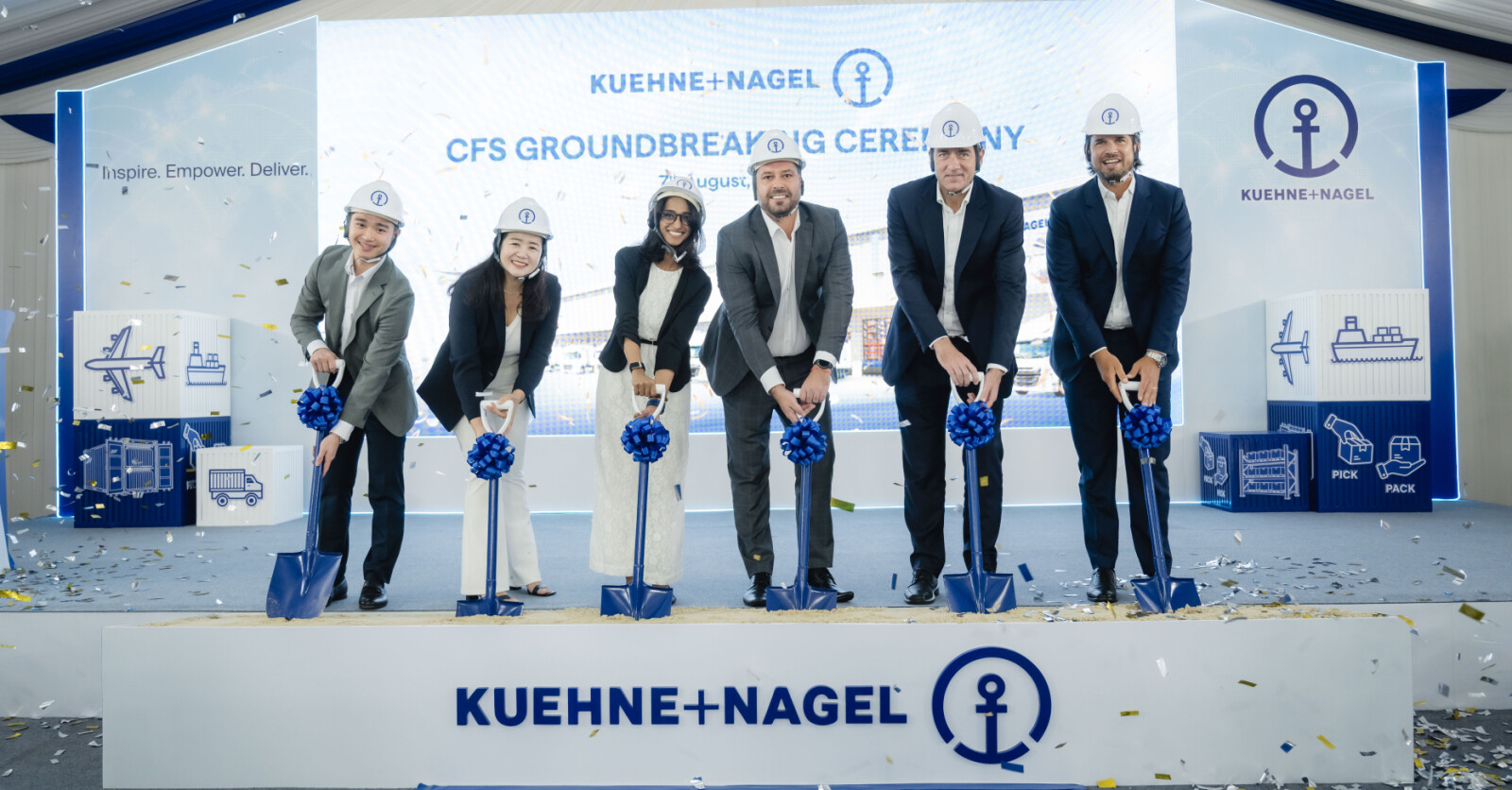
Kuehne+Nagel Berinvestasi pada Stasiun Pengangkutan Kontainer (CFS) Baru di di Kamboja
-
 Kamis, 13 Agustus 2026 | 14:48
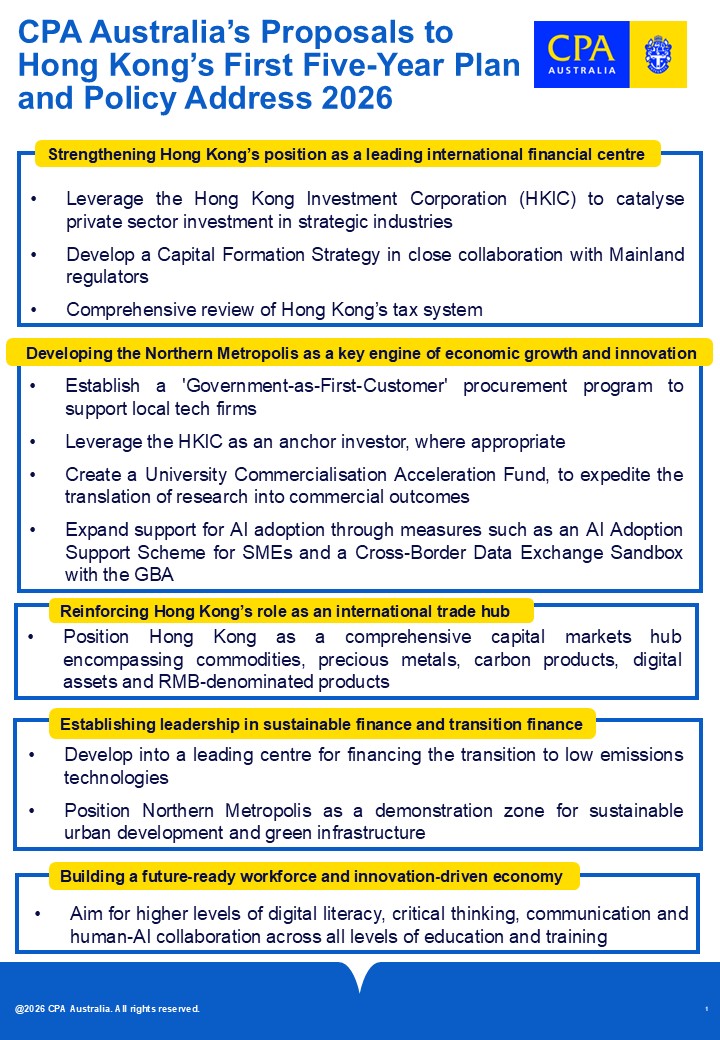
CPA Australia Paparkan Rekomendasi bagi Rencana Lima Tahun Pertama Hong Kong dan Policy Address 2026
-

-
-
 Kamis, 13 Agustus 2026 | 14:46
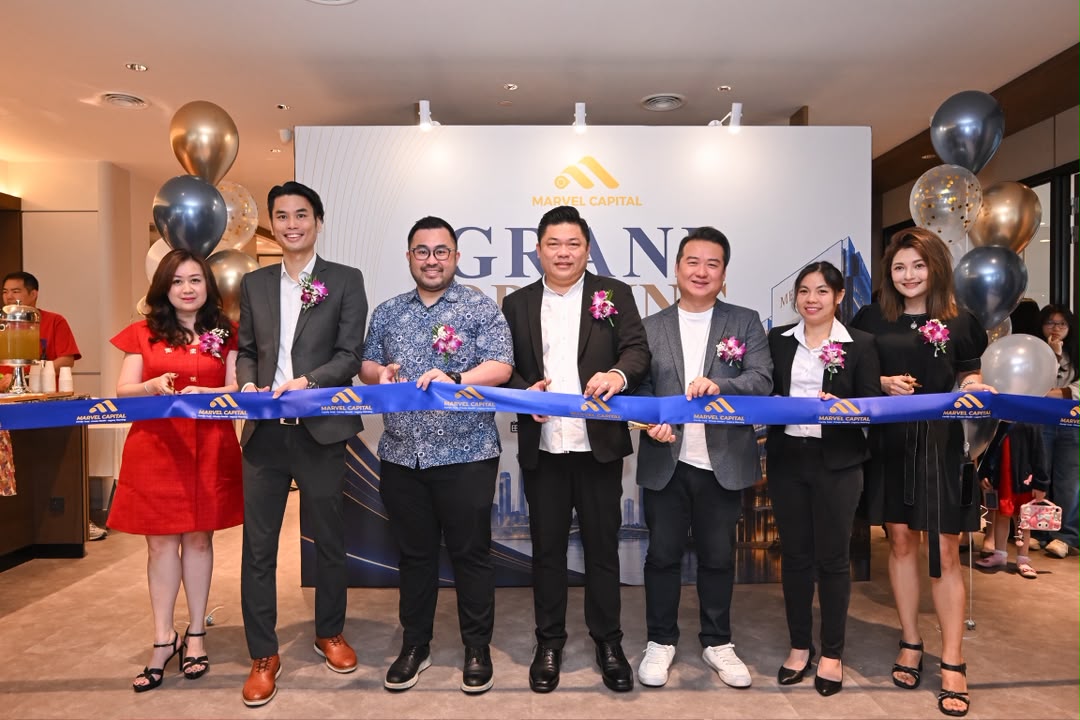
Presidence: Kategori Baru Hunian Ultra-Luxury yang Dirancang untuk Dinikmati dan Diwariskan Lintas Generasi

-
-

-
-
-
 Sabtu, 08 Agustus 2026 | 22:05
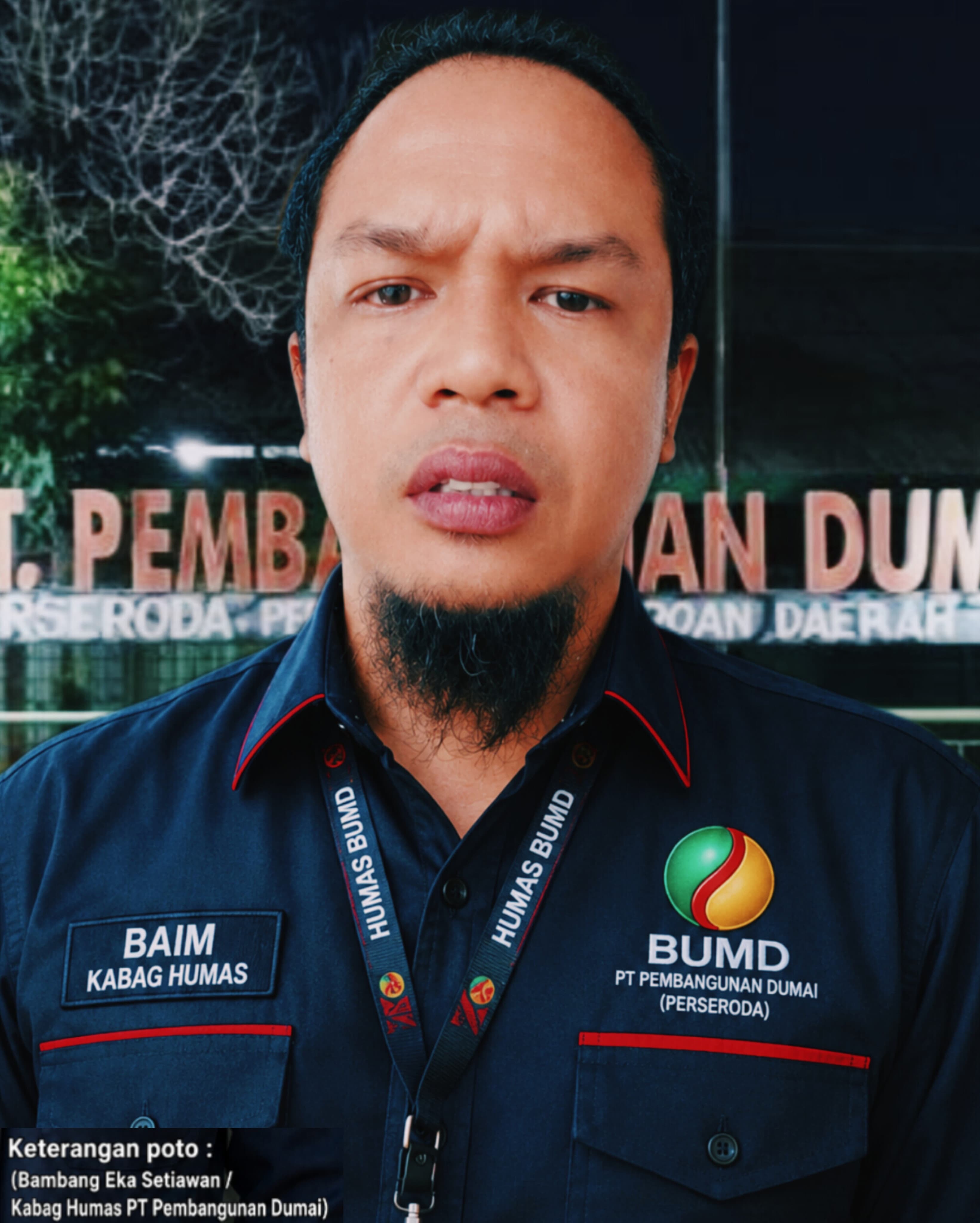
Dari Perbaikan Jalan Nasional Hingga Alokasi Hibah, Pemko Dumai Tunjukkan Komitmen Bangun Kota Idaman
-
 Kamis, 06 Agustus 2026 | 20:26
Founders Metals Grows Upper Antino Gold System; Down-Dip Extension Hits 28.0 m of 14.27 g/t Gold