Menu Website

- Home
- MediaOutReach
- Vinhomes' 6,200-Hectare Ha Long Bay Project: Evolving the Concept of Urban Scale

Vinhomes' 6,200-Hectare Ha Long Bay Project: Evolving the Concept of Urban Scale
Rabu, 05 Agustus 2026 | 14:23
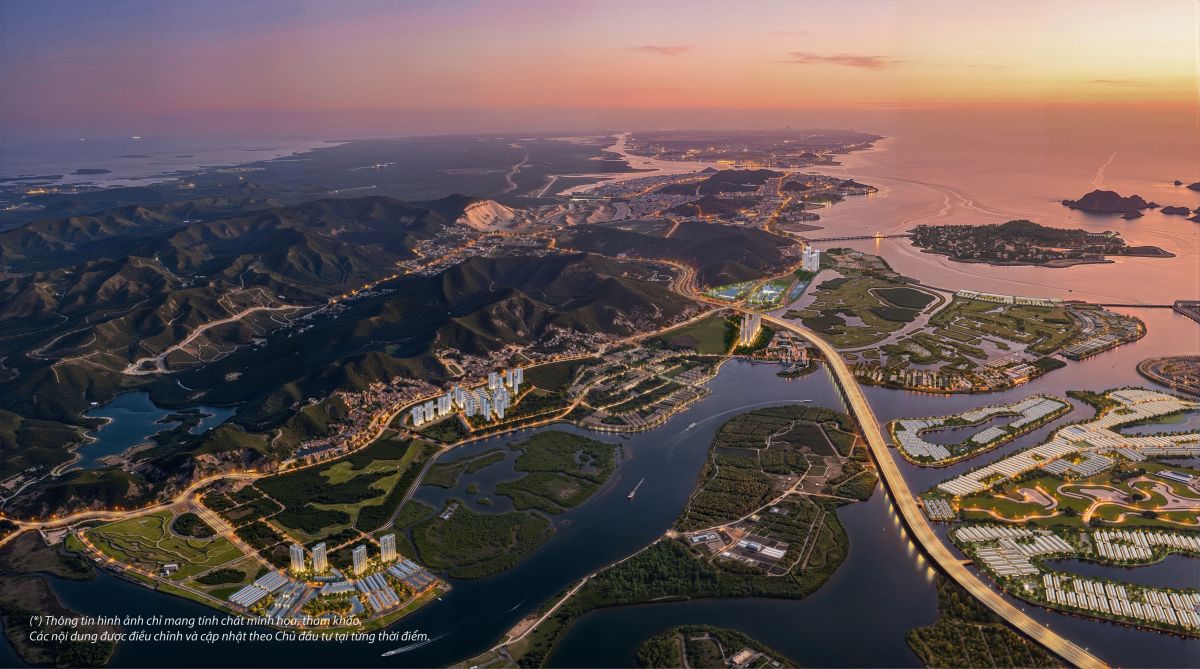
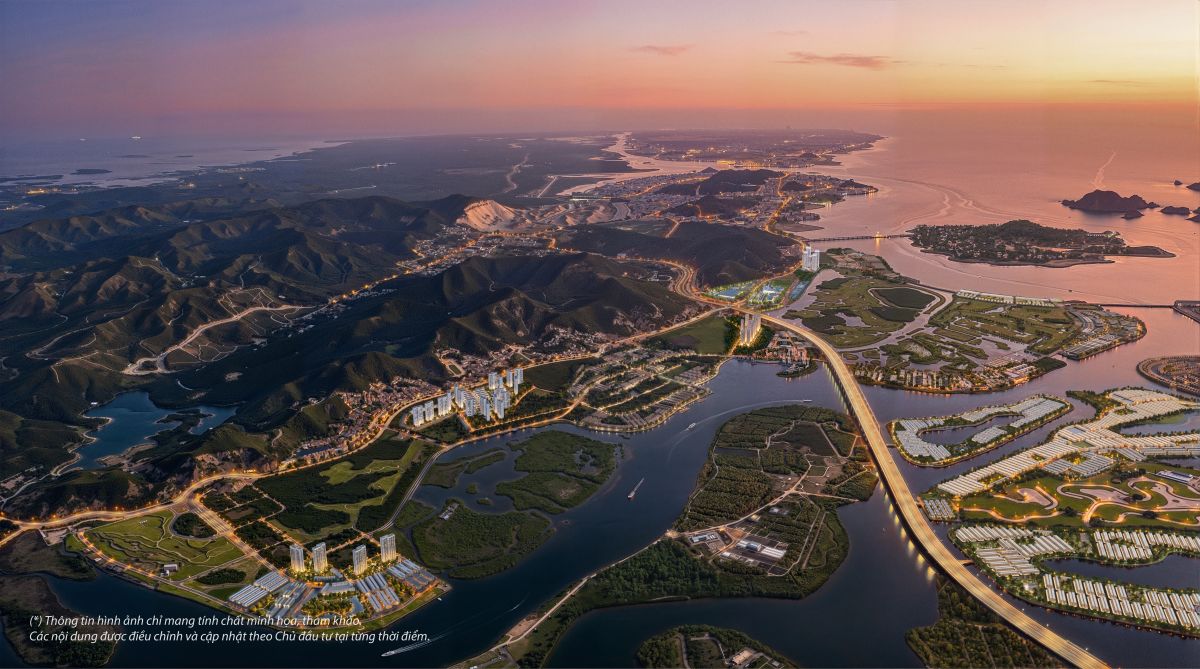
An illustration of Vinhomes Global Gate Ha Long's master plan.
HA LONG, VIETNAM -
Media OutReach Newswire
- 4 August 2026 - Vinhomes has outlined the master plan for Vinhomes
Global Gate Ha Long, an integrated urban development spanning
approximately 6,200 hectares beside the UNESCO-listed Ha Long Bay. It is
the company's largest urban development to date, marking a shift in how
success in city-building is measured: not by the size of the land
developed, but by the value every hectare delivers to the people who
live there.
For decades, the size of a master planned community has been one of the industry's clearest measures of ambition. Across many markets, developments spanning 2,500 acres or more are regarded as large scale projects, distinguished by their mix of housing, retail, schools, parks and lifestyle amenities (1).
Today, as cities confront mounting pressure from climate change, population growth and changing patterns of mobility, urban development is being judged by a different standard. The OECD notes that future cities must do more than expand. They must connect people to jobs and services, strengthen climate resilience and integrate nature into the fabric of urban infrastructure (2).
Positioned along the Hanoi - Hai Phong - Quang Ninh Expressway, at the intersection of northern Vietnam's tourism, industrial and logistics corridors, Vinhomes Global Gate Ha Long is planned not as a residential complex but as a fully integrated city, bringing together world-class housing, public services, commerce and ecological infrastructure within a single connected environment. The project represents Vinhomes' most comprehensive urban vision to date, extending two decades of evolution from landmark residential projects to fully integrated townships.
A City Engineered for Connectivity and Daily Convenience
At the core of the master plan is the principle of an integrated urban ecosystem, designed to shorten the distance between where people live, work, learn and access essential services. Transportation, education, healthcare, commerce and hospitality are embedded within a single, unified environment.
Reinforcing this connectivity is the project's location adjacent to the future depot station of the Hanoi-Quang Ninh high-speed railway, which is expected to connect residents to the capital in approximately 23 minutes, reshaping regional mobility and enabling a single daily commute between the intensity of metropolitan Hanoi and the UNESCO World Heritage landscape of Ha Long Bay.
Residents will also enjoy uninterrupted views of Ha Long Bay itself, alongside clean air, expansive waterfronts and exceptional ecological quality. Residential offerings span villas, townhouses, shophouses and high-rise apartments across six major districts.
Embedding Sustainability and World-Class Amenities
Environmental regeneration underpins the development at scale. More than 2,500 hectares are dedicated to green spaces, water bodies and mangrove landscapes, including 680 hectares of naturally filtered seawater, approximately 200 kilometers of coastline and the 660-hectare Globe Ha Long Forest Park. Together, these ecological assets are designed to support biodiversity, strengthen climate resilience and foster healthier living conditions, forming the core of Vinhomes' ESG++ vision for regenerative urban development.
The city is organized around interconnected ecosystems. Culture and entertainment feature a 60,000-seat outdoor waterfront venue, the 3,000-seat Wonder Theatre, an 81-hectare VinWonders destination featuring what is planned to be the world's largest aquarium park, an international convention center for more than 4,500 guests, and an 18.5-hectare Vietnamese Cultural and Culinary Village.
Hospitality and leisure offerings include internationally managed luxury hotels and resorts, integrated casino facilities, a 950-hectare golf complex comprising 12 courses, an 800-hectare mangrove recreational park, and Wonder Marina, which provides direct access to Ha Long Bay.
Commerce and lifestyle amenities are centered around Vincom Mega Mall, premium outlet shopping, Vincom Collection retail streets and dedicated lifestyle destinations, creating a 24-hour retail and dining environment.
Sports and wellness infrastructure includes Vietnam's first purpose-built Sports District, spanning 13.3 hectares, a professional sports academy, and more than 50 kilometers of cycling routes woven throughout the city.
Health and education needs are met by the 14-hectare Vinmec Cleveland Clinic International Hospital; Vin New Horizon, Vietnam's largest senior living center; Golden Residence retirement villas; Vinschool campuses; an American international school; and Wonder Young Hub, a dedicated center for youth development.
Anchoring the city's economic future is a new central business district featuring office towers of 30 to 45 stories, designed to attract domestic and international businesses and reinforce Ha Long's role as a major economic and financial hub.
Setting a New Standard for Future Urban Development
Vinhomes Global Gate Ha Long has been planned in alignment with ISO 37125, the latest international guidance for sustainable urban development, while incorporating Vingroup's ESG++ approach, extending beyond environmental protection to encompass ecological regeneration, resource efficiency, digital governance, resilient infrastructure and long-term community wellbeing.
Smart technologies, including artificial intelligence, Internet of Things applications and data-driven urban management, are intended to optimize city operations alongside green mobility systems and efficient public infrastructure.
Guided by three core principles, connectivity, regeneration and excellence, the project seeks to demonstrate how mobility, environmental stewardship, public services, commerce and culture can function within a single planning framework. Through this approach, Vinhomes underlines its commitment to developing integrated urban environments designed for long-term sustainability.
1.
https://www.newhomesource.com/learn/all-about-master-planned-communities/
2.
https://www.oecd.org/content/dam/oecd/en/publications/reports/2025/12/integrated-urban-policy-to-achieve-the-sdgs_e1bb165d/ada07311-en.pdf
BERITA LAINNYA

Rabu, 05 Agustus 2026 | 14:26

Rabu, 05 Agustus 2026 | 14:25

Rabu, 05 Agustus 2026 | 14:24
Rabu, 05 Agustus 2026 | 14:24
Rabu, 05 Agustus 2026 | 14:23

Rabu, 05 Agustus 2026 | 14:22
Rabu, 05 Agustus 2026 | 14:21
Rabu, 05 Agustus 2026 | 14:20
Rabu, 05 Agustus 2026 | 14:19
Rabu, 05 Agustus 2026 | 14:17


Rabu, 05 Agustus 2026 | 13:58

BERIKAN KOMENTAR

-
 Rabu, 05 Agustus 2026 | 14:40
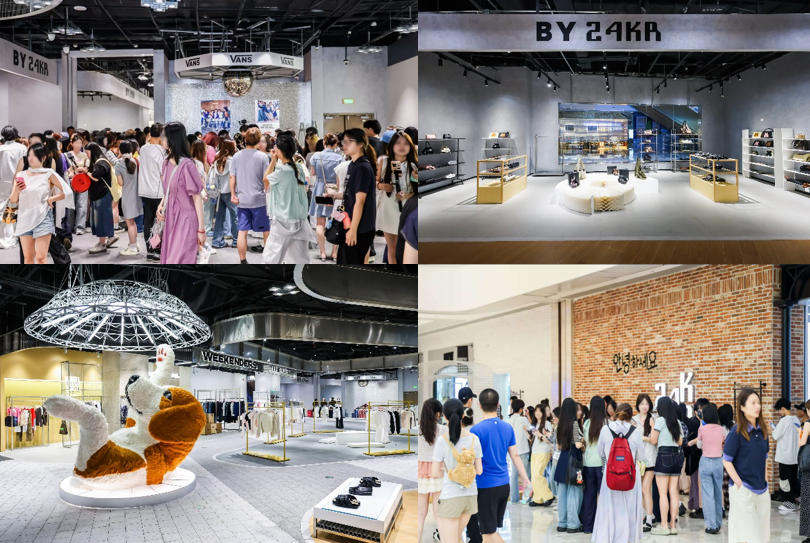
Heartland 66 Percepat Transformasi Ritel Lewat Peluncuran Zona Tren Korea Pertama di Pasar dan Ruang Konsep edgestreet
-
 Rabu, 05 Agustus 2026 | 14:40
Proyek Vinhomes Seluas 6.200 Hektare di Teluk Ha Long: Mendefinisikan Ulang Konsep Skala Perkotaan
-
 Rabu, 05 Agustus 2026 | 14:35
World Manufacturing Convention 2026 Luncurkan Video Teaser, Undang Dunia Berinovasi Bersama
-
 Rabu, 05 Agustus 2026 | 14:34
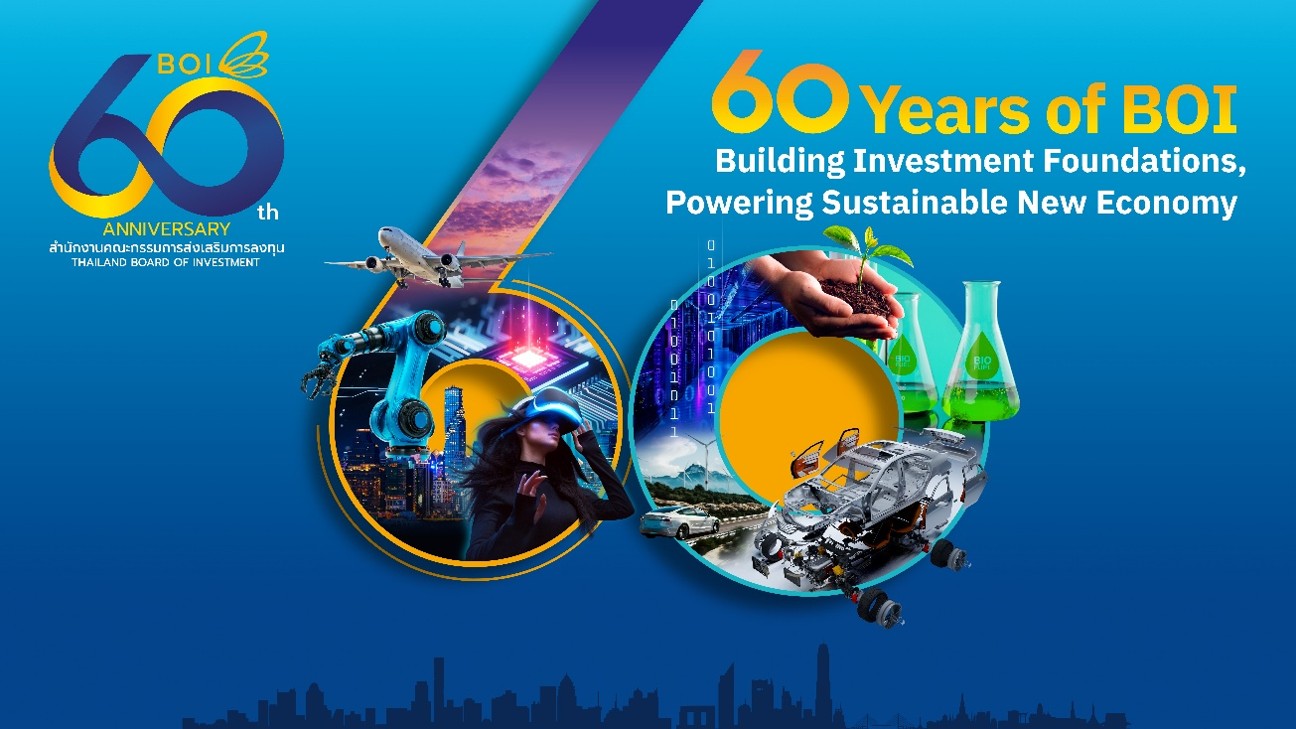
60 Tahun BOI: Thailand Perkuat Posisi sebagai Pusat Investasi Global melalui Investasi Strategis dan Industri Masa Depan
-
Rabu, 05 Agustus 2026 | 14:33
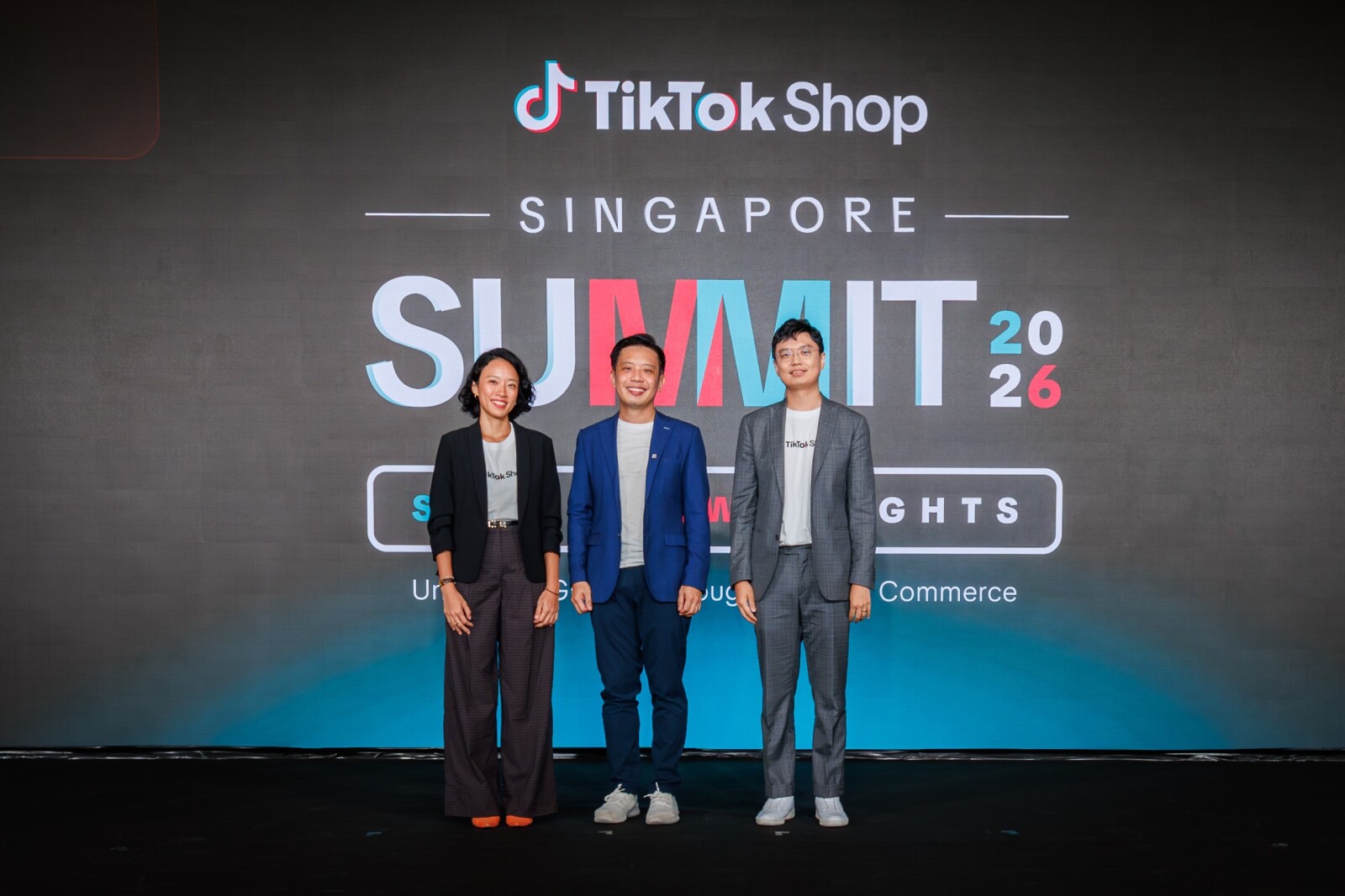
MORROW Targetkan Pendapatan Tahunan US$230 Juta Seiring Peresmian Flagship di Singapura
-

-
 Sabtu, 01 Agustus 2026 | 10:27
Zhibao Technology Inc. Announces Signing of Definitive Securities Purchase Agreement for PIPE Financing Payable in Bitcoin
-
 Rabu, 29 Juli 2026 | 20:06
GMSL2 Repeater Doubles Rugged Camera Link Reach to 30 Meters on Large Autonomous Machines
-
 Sabtu, 01 Agustus 2026 | 13:32
Pertahankan Semangat Musim Panas, Tingkatkan Sensasi ? Keseruan Musim Panas Makin Memanas di Galaxy Macau
-
 Sabtu, 01 Agustus 2026 | 13:33
VinFast Buka 21 Showroom Sepeda Motor Listrik di Filipina, Perkuat Kehadiran Mobilitas Hijau di Asia Tenggara
-
 Sabtu, 01 Agustus 2026 | 13:32
Acara Peluncuran Youth Sustainable Development International Summit Sukses Digelar
-
 Sabtu, 01 Agustus 2026 | 13:38
Zhibao Technology Inc. Mengumumkan Penandatanganan Perjanjian Pembelian Efek Definitif untuk Pendanaan PIPE dalam Bitcoin