Menu Website

- Home
- MediaOutReach
- BOI at 60: Building an Investment Foundation, Powering a Sustainable New Economy

BOI at 60: Building an Investment Foundation, Powering a Sustainable New Economy
Rabu, 05 Agustus 2026 | 14:21
Link berita berhasil disalin!
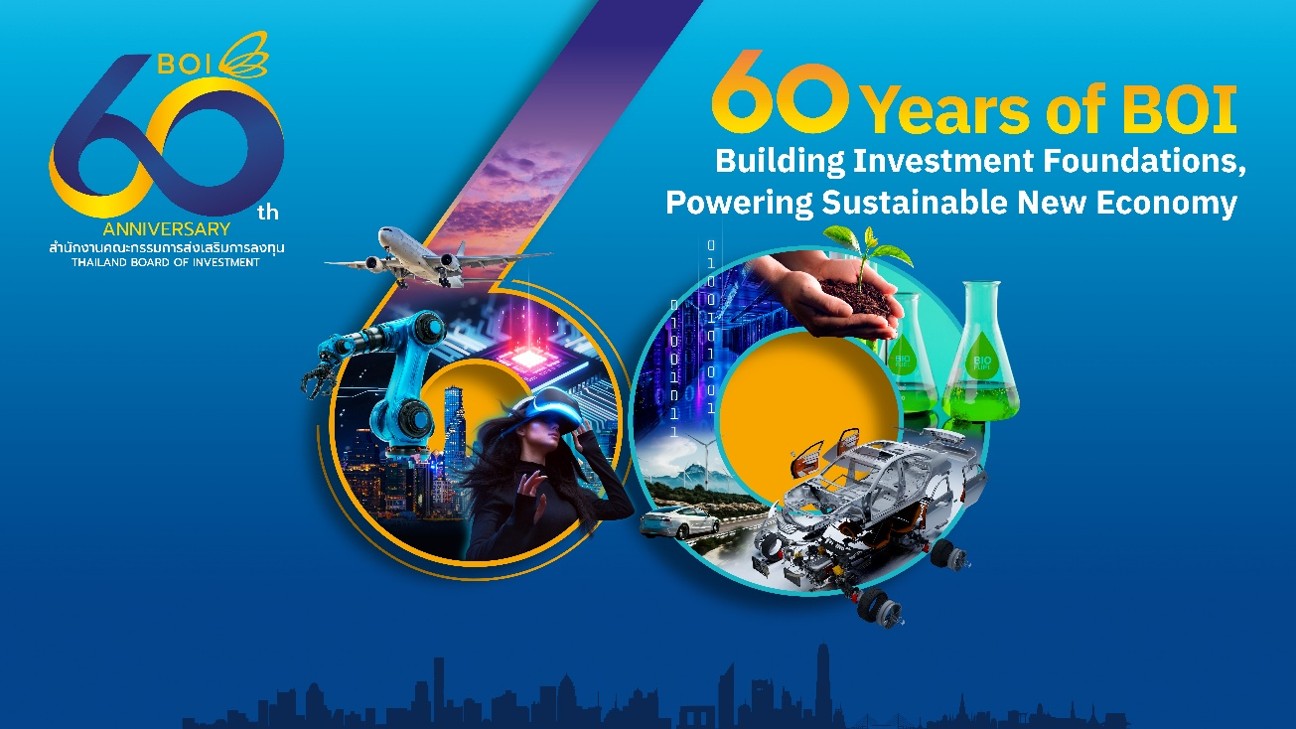
60 Years of BOI
BANGKOK, THAILAND -
Media OutReach Newswire
- 4 August 2026 - For six decades, the Thailand Board of Investment
(BOI) has been a central architect of Thailand's economic landscape,
translating national ambition into sustained industrial growth.
Established in 1966, the BOI's enduring legacy is defined by
institutional foresight and policy adaptability, evolving from laying
the groundwork for import-substitution industries in its early years to
becoming a manufacturing powerhouse and navigating global economic
shifts, while demonstrating continued commitment to technological and
social development.
This evolution is reflected in long-standing investment relationships with many of the world's most iconic corporations. Global titans like Toyota, Minebea, Delta Electronics, Cargill, Western Digital, Seagate, Microchip and ADI-along with countless other global industry leaders-have not just invested in Thailand; they have thrived, expanded, and innovated within an ecosystem shaped by consistent policy direction and strong government support. Their continued presence underscores Thailand's macroeconomic stability, strategic location, and the BOI's role as a reliable institutional anchor for foreign investment.
As it marks its 60th anniversary, the BOI is drawing on this accumulated experience to frame Thailand's next phase of economic transformation. Guided by the theme - "Shaping Thailand's Future Through Strategic Investment" - the emphasis has shifted towards positioning Thailand as a high-value production base, driven by innovation, sustainability, and future industries that align with long-term structural trends. The strategy places particular weight on regional integration and cross-border partnerships, reflecting Thailand's ambition to remain relevant in a fragmenting global economy.
A Resounding Vote of Global Confidence: Thailand's Unprecedented 2025 Performance
Investor response in 2025 suggests that this recalibration is gaining traction. Record investment figures serve as an early signal of confidence, reflecting both Thailand's revised policy direction and the institutional credibility built over six decades.
In 2025, total investment applications reached USD 60.23 billion (1.87 trillion baht) across 3,370 projects, a 67% increase in value and an 11% rise in project count, both year-on-year - underscoring the BOI's focus on technology-driven investment and Thailand's growing role as a regional hub. This momentum carried into 2026: investment applications in the first half of the year (January-June) alone reached USD 47.47 billion (1.47 trillion baht) across 1,299 projects, up 37% year-on-year, while FDI applications climbed 80% to USD 44.08 billion (1.37 trillion baht) even amid global economic headwinds. Projects approved during the period are expected to generate more than 82,000 jobs, drive over USD 12.46 billion (386,900 million baht) a year in local raw material sourcing, and contribute more than USD 39.94 billion (THB 1.24 trillion baht) a year in export value.
Sectoral trends, especially in high-technology industries and AI, underline this rapid shift. The Digital sector, the Electronics & Electrical Appliances sector, and the AI supply chain are all seeing momentum in advanced manufacturing, including photonics devices, PCB, and semiconductor-related activities. In automotive production, Thailand is consolidating its regional leadership through higher-value components and the build-out of a full EV ecosystem. The Agriculture & Food Processing sector continues to move up the value chain, while petrochemicals and chemicals are increasingly oriented towards specialty products and circular-economy applications. Together, these developments suggest a gradual repositioning of Thailand within global production networks.
Mr. Narit Therdsteerasukdi, Secretary General of the BOI, reflected on this monumental achievement: "For six decades, the BOI has been instrumental in charting Thailand's economic course, from foundational industrialization to pioneering a technology-driven, sustainable future. Our role transcends merely attracting capital; it is about strategically shaping our economic landscape to respond to a rapidly changing world. The investment figures of 2025 and the first half of 2026 are a clear endorsement of this long-term vision, confirming global trust in our strategic direction and our resolute commitment to forging a stable, innovative, and green economy for generations to come."
The BOI's Vision for Building the Foundation for the Next Decade
Building on its previous success, the BOI's strategy aims to anchor Thailand more firmly within ASEAN's investment geography. Over the next decade, the agency seeks to position Thailand as a center for business across ASEAN, navigating geopolitical uncertainties and fostering deeper collaboration across critical global supply chains.
Key pillars of this ambitious vision include:
- - Leading Strategic Industries: The BOI aims to solidify Thailand's global leadership by focusing on six strategic sectors. These include Bio&Green Industries, which encompass the bio-economy, modern agriculture, future foods, and clean energy, leveraging Thailand's strengths and resources for added value and sustainable growth. Also prioritized are Modern Automotive, focusing on all types of Electric Vehicles and their parts, building upon Thailand's robust foundation; Semiconductors and Advanced Electronics, critical for strengthening supply chains; Artificial Intelligence and Digital, serving as fundamental infrastructure; International Business Hubs, fostering high-value jobs and knowledge transfer; and Automation and Robotics, which have gained tremendous investment momentum in Thailand.
- - Skill Bridge, a future-ready workforce: Addressing skills development has become a policy priority. The BOI is expanding initiatives to develop talent in data technologies, artificial intelligence, and electronics and semiconductors, among others, reflecting rising workforce demand to support the growth of capital-intensive and technology-led industries.
- - Fostering Global Investor Alliances: Beyond individual projects, the BOI is seeking to create a collaborative ecosystem. This involves connecting global investors with local SMEs, governmental agencies, and cutting-edge research institutions to drive shared growth, foster innovation, and integrate Thailand's vibrant domestic businesses into global value chains.
- - Thailand FastPass: To accelerate investment decisions and reduce investment friction, the BOI, under the Government's initiative, has introduced Thailand FastPass - a dedicated service channel for investors in targeted industries and large-scale, high-impact projects. This streamlines processes, cuts approval timelines, and assigns a dedicated liaison officer to coordinate permitting, licensing, and regulatory processes across government agencies on the investor's behalf. Thailand FastPass reflects the BOI's commitment to matching the pace of global capital flows and ensuring Thailand remains a competitive, responsive destination for investors who require speed and certainty.
Mr. Narit emphasized Thailand's strategic goal: to position the nation as an attractive investment destination and a "safe haven" amidst global geopolitical shifts. He highlighted Thailand's inherent geopolitical neutrality, making it an ideal manufacturing base for exports to major global markets. This strategic advantage, combined with proactive cooperation on digital rules, cybersecurity, and the green economy, supports inclusive and sustainable ASEAN growth.
With the upcoming 2026 Annual Meetings of the International Monetary Fund and the World Bank Group in October, Thailand is poised to further solidify its global leadership, showcasing its economic openness and commitment to sustainable advancement.
Invest in Thailand: Your Strategic Advantage in the Heart of Asia
The message from the Thai Government is clear: Thailand is open for business and committed to your success. In a complex global landscape, Thailand offers unparalleled stability, strategic market access, and unwavering policy support.
The BOI has evolved beyond merely offering incentives, transforming into a dedicated strategic partner for a seamless and profitable investment journey. Its role encompasses promoting high-value investments through competitive incentives, integrating businesses seamlessly across government, private sector, and civil society, connecting them to robust global partners and supply chains, and facilitating smooth market entry and sustainable operations with comprehensive, end-to-end services.
As global leaders converge in Thailand, the spotlight is firmly on the country's immense potential. Partner with us to tap into the future of the digital economy, advance sustainable manufacturing, and lead innovation from Asia's premier investment hub.
Discover how your business can thrive in Thailand. Contact the Board
of Investment today and let us help you build your future.
Voices of Conviction - Investors Endorse Thailand's Vision
The momentum isn't just in the numbers; it's in the deep conviction of the investors powering this growth.
"The business community consistently sees the BOI's role as an accessible and open platform, crucial for strengthening Thailand's competitiveness. Its focus on skilled labor development, R&D promotion, and regulatory facilitation actively delivers clear pathways for investment, aligning industry with national development priorities. By supporting initiatives such as renewable energy and green manufacturing, it affirms the BOI's unwavering efforts to ensure Thailand remains a premier regional investment hub for all investors, present and future." - Heidi Gallant, Executive Director, AMCHAM Thailand
"For Japanese companies, the BOI stands as an invaluable partner and crucial bridge, adeptly connecting government policies with our evolving needs and tirelessly working to enhance Thailand's investment landscape. Their proactive leadership in Green and Digital Transformation is vital for strengthening global supply chains and fostering new business opportunities, firmly cementing Thailand's position as a premier export and innovation hub. We are deeply committed to deepening this essential collaboration." - ABE Ichiro, President of JETRO Bangkok
"The BOI is more than a facilitator; it is the strategic partner bridging government policies with investor needs, fundamentally driving our continuous growth. Truly, without BOI, we would not have been able to make such stable investments. Their vision, aligning with our pivot into 'Industries of the Future' like AI servers and humanoid robots, is complemented by a robust ESG framework. This has cemented Thailand as our core regional production base, and we are committed to deepening this essential partnership for the next 60 years and beyond." - Yoshihisa Kainuma, Representative Director, Chairman and CEO, MinebeaMitsumi Inc.
"BOI's longstanding support has enabled Nestlé Thailand's continuous business growth. We commend BOI's leadership in championing ESG-driven investments, an approach closely aligned with Nestlé's Creating Shared Value philosophy, which focuses on building a sustainable business while contributing positively to Thai people, society, and the environment. Nestlé remains deeply committed to Thailand and will continue investing, as well as creating value for Thai consumers, farmers, and local businesses across our value chain." - Victor Seah, Chairman and CEO of Nestlé Indochina
A Foundation of Foresight - Six Decades of Strategic Evolution
Thailand's historic investment achievements are not a matter of chance; they are the direct result of a deliberate, forward-looking government strategy continuously honed over 60 years. Established in 1966 under the Industrial Promotion Act, the BOI has consistently demonstrated its capacity for proactive adaptation and strategic leadership, evolving through distinct policy shifts:
Thailand's investment trajectory reflects deliberate policy choices rather than coincidence. Since its establishment under the Industrial Promotion Act in 1966, the BOI has adapted its approach in line with shifting economic conditions:
- - 1966-1975: Import substitution.
- - 1976-1985: Export-oriented growth and integration into global markets.
- - 1986-1995: Accelerated growth and Thailand's regional development.
- - 1996-2005: Post-crisis recovery and international trade liberalization.
- - 2006-2015: Higher-value investment and technology development.
- - 2016-present: Strategic Industries and the Green-Digital Transformation.
Current measures-including green-transformation incentives, the
Long-Term Resident visa, investment retention and relocation
programmes-extend this policy lineage, underpinning Thailand's push
towards a more sustainable and technology-driven economy.
https://www.boi.go.th/en/index/
📢 Publisir Berita & Kegiatan Instansi Anda di RiauGreen
Jangkau pembaca luas & terindeks Google News. Pilih paket rilis pers, advertorial, atau kemitraan media.
BERITA LAINNYA

Rabu, 26 Agustus 2026 | 21:28
Rabu, 26 Agustus 2026 | 21:28
Rabu, 26 Agustus 2026 | 21:26
Rabu, 26 Agustus 2026 | 21:24
Rabu, 26 Agustus 2026 | 21:23

Rabu, 26 Agustus 2026 | 21:22

Rabu, 26 Agustus 2026 | 21:21

Rabu, 26 Agustus 2026 | 21:20
Rabu, 26 Agustus 2026 | 15:24
Rabu, 26 Agustus 2026 | 15:22
BERIKAN KOMENTAR

-
-
 Rabu, 26 Agustus 2026 | 23:03
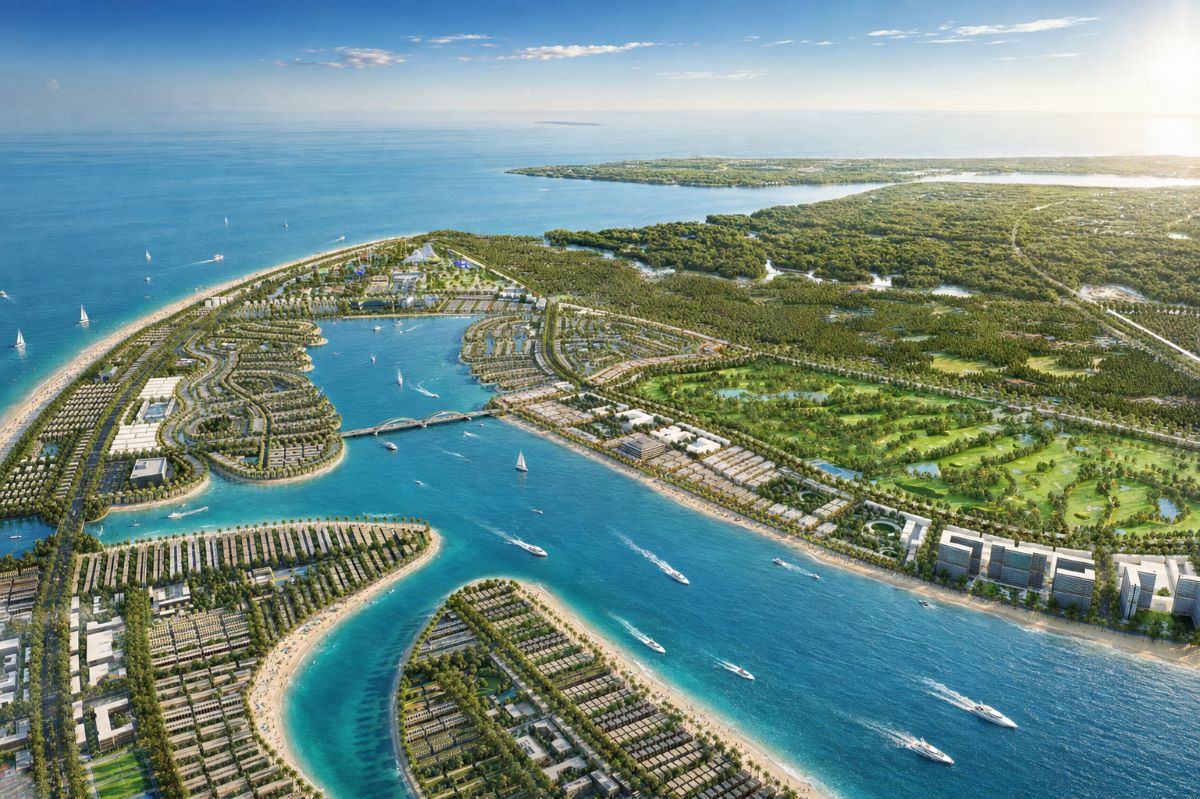
Vinhomes Memperkuat Posisinya sebagai Pelopor Pengembangan Kota Pintar
-
 Rabu, 26 Agustus 2026 | 23:02
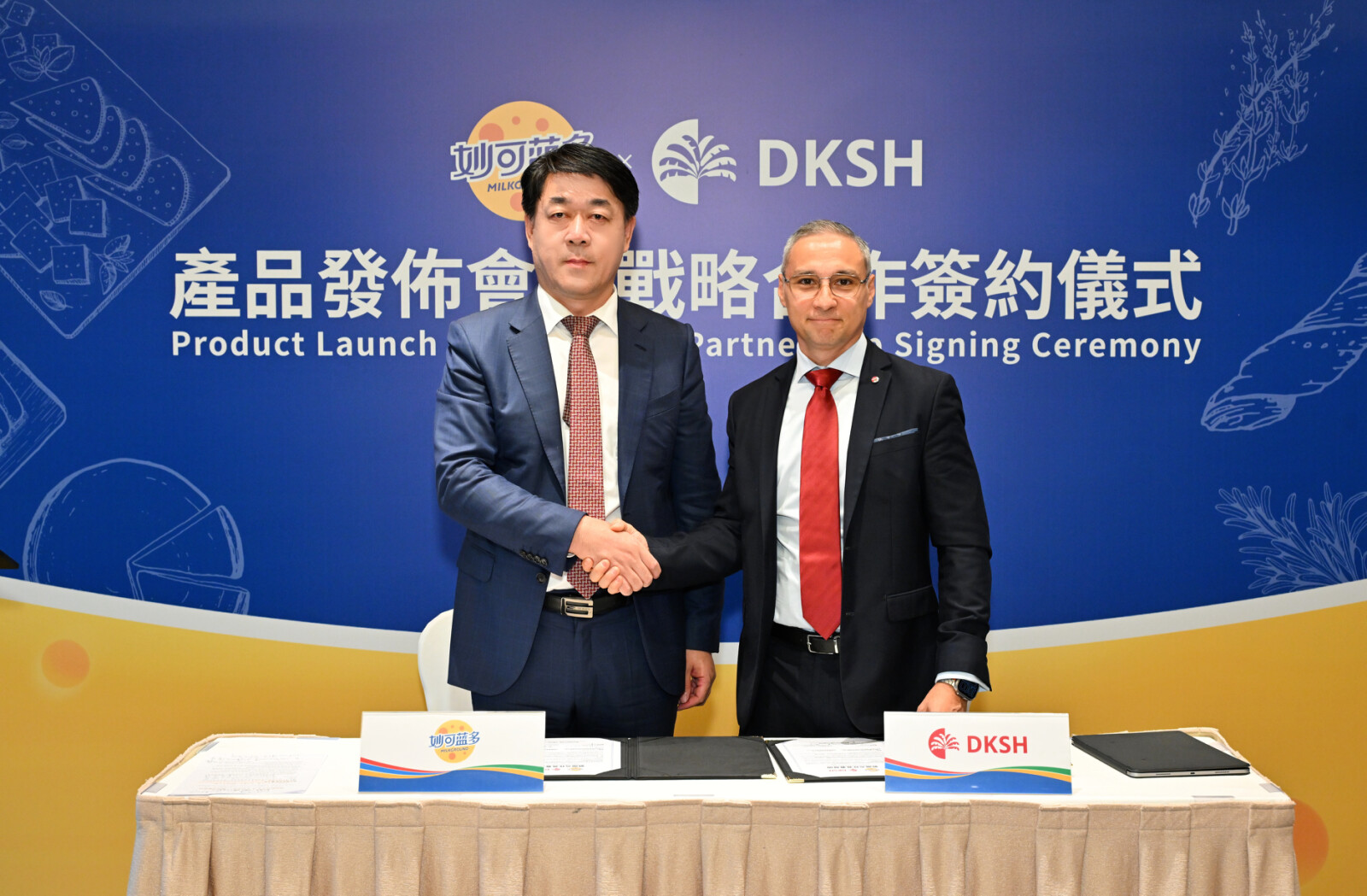
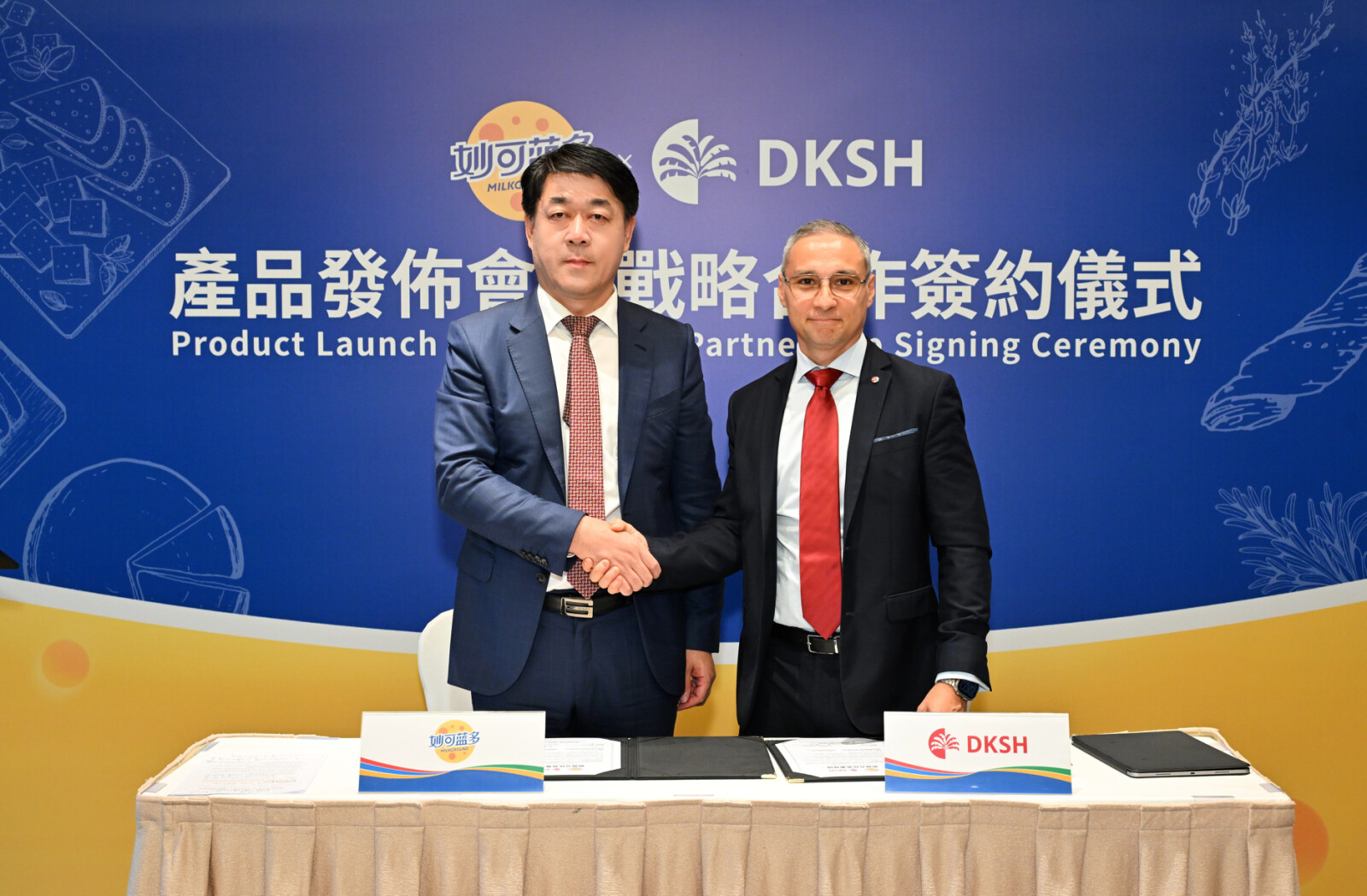
Milkground dan DKSH Hong Kong Umumkan Kemitraan Strategis untuk Menghadirkan Produk Keju ke Hong Kong
-
 Rabu, 26 Agustus 2026 | 23:01
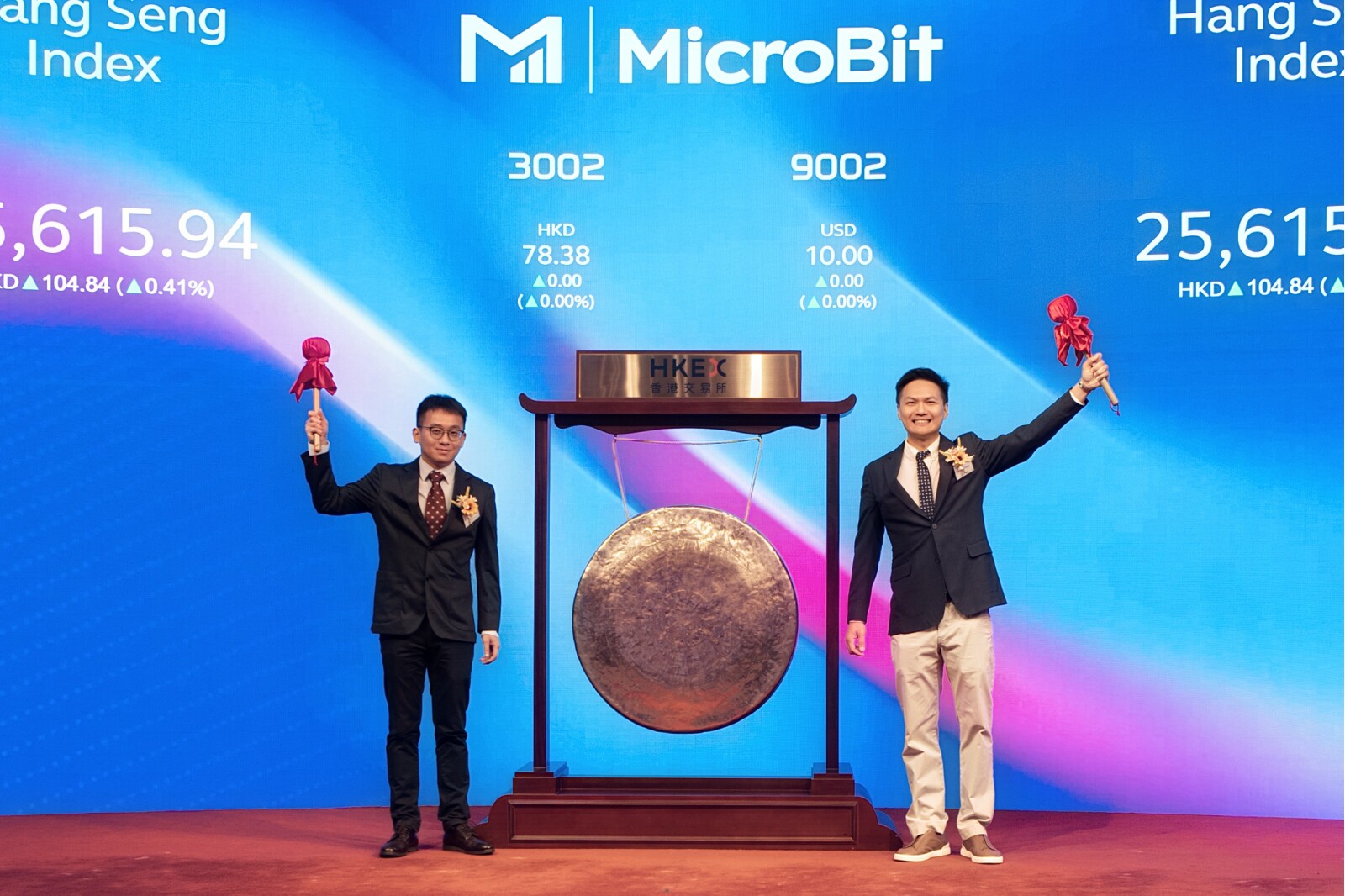
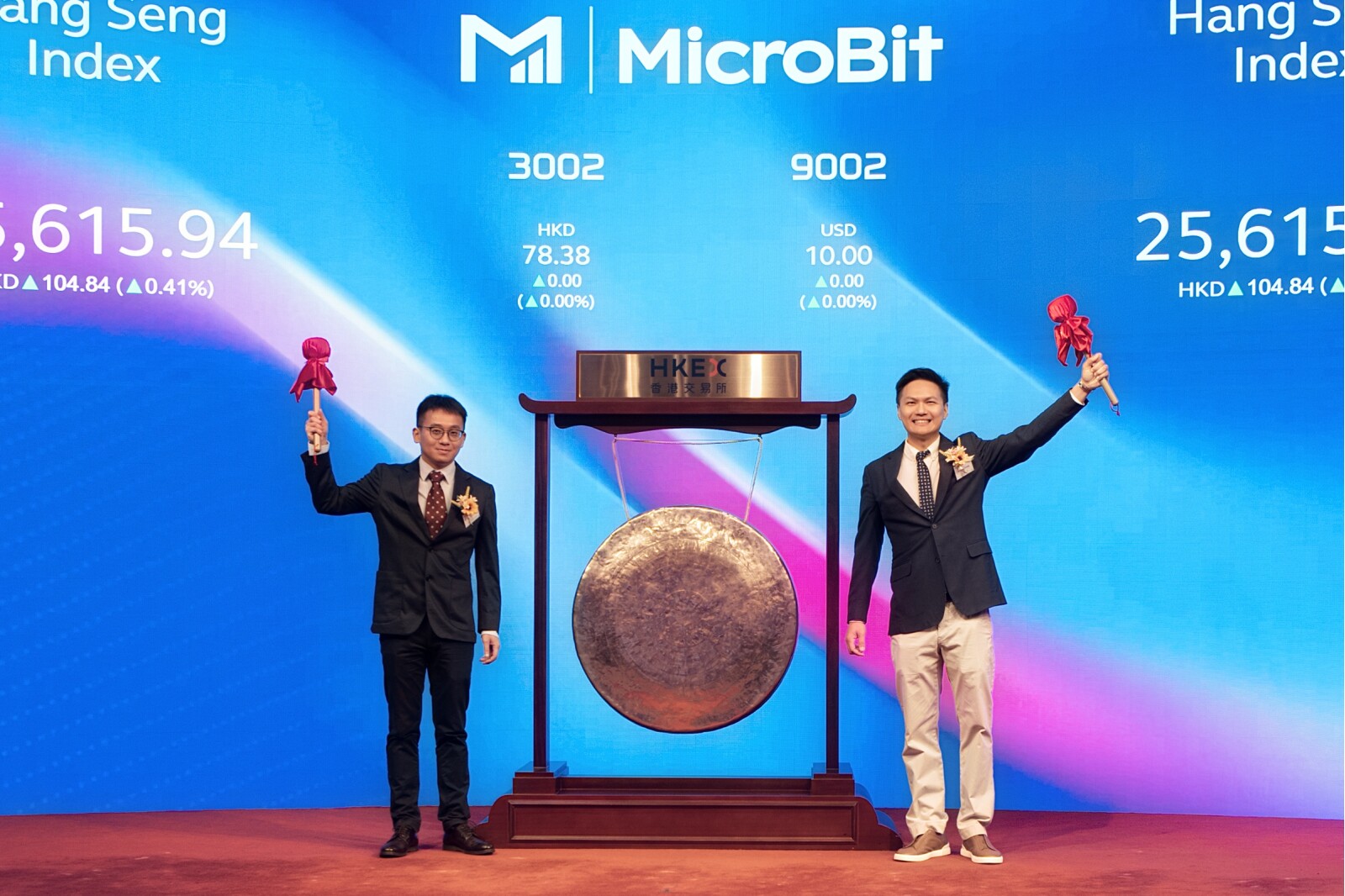
MicroBit Luncurkan ETF Bitcoin dan Emas Pertama di Hong Kong di HKEX Hari Ini
-
-
 Rabu, 26 Agustus 2026 | 23:00
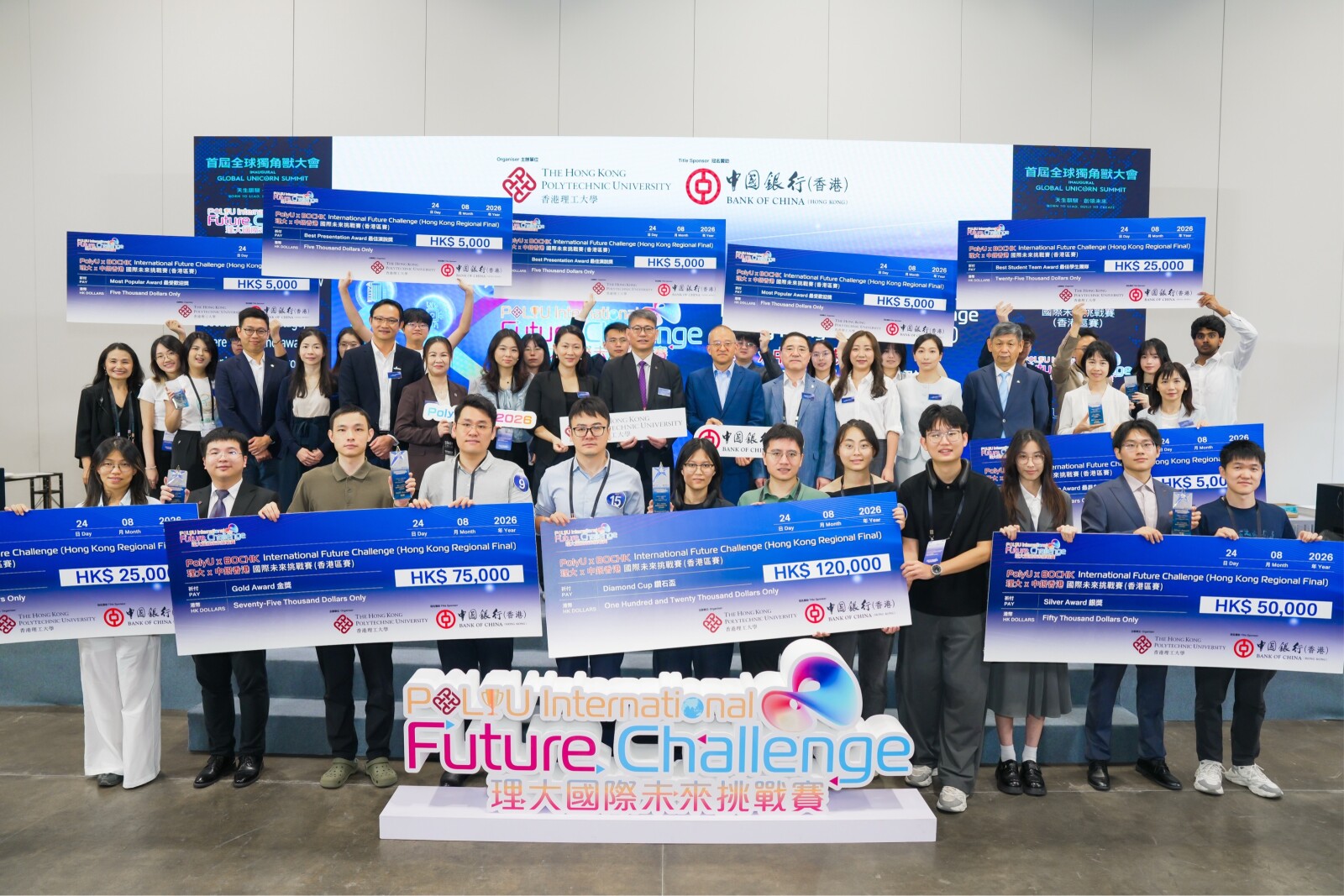
PolyU x BOCHK International Future Challenge (Hong Kong): Empat Tim Terbaik Siap Unjuk Gigi di Global Unicorn Summit

-

-
 Kamis, 20 Agustus 2026 | 10:44
DP World Accelerates Contract Logistics Expansion Across Southeast Asia with New Warehouse in Malaysia
-
-
 Jumat, 21 Agustus 2026 | 01:59
Andrea Bocelli Merayakan Tur Peringatan 30 Tahun Romanza dengan Dua Konser Spektakuler di Indonesia
-
-