Menu Website

- Home
- MediaOutReach
- WisPaper Introduces TrueCite to Help Researchers Verify AI-Generated Academic References

WisPaper Introduces TrueCite to Help Researchers Verify AI-Generated Academic References
Senin, 31 Agustus 2026 | 11:36
Link berita berhasil disalin!
SINGAPORE -
Media OutReach Newswire - 31 August 2026 - WisPaper has introduced
TrueCite,
a citation verification tool designed to detect and flag
AI-hallucinated academic references as concerns grow over fabricated
citations appearing in AI-assisted research and scientific literature.
As generative AI becomes increasingly embedded in academic research and writing, a new problem is emerging alongside its productivity gains: AI can produce references that appear entirely credible but do not actually exist. In 2026, growing attention from researchers and scientific publications has highlighted how fabricated and hallucinated citations are making their way into papers and preprints, raising broader concerns about research reliability and academic integrity.
TrueCite is designed to add a verification layer to AI-assisted research. Researchers can upload a BibTeX file to TrueCite, which validates the references against real academic databases and identifies citations that may have been fabricated by AI.
The approach is straightforward: before relying on an AI-generated bibliography, researchers can verify that the cited papers actually exist.
This verification layer is increasingly important as large language models become better at producing references that appear academically plausible. A fabricated citation may contain a convincing author name, journal title, publication year, and paper title - making errors difficult to identify based on appearance alone.
For WisPaper, the growing concern around citation reliability reflects a broader shift in the academic AI market. While the first wave of academic AI tools focused largely on helping researchers search, summarize, and generate content more efficiently, the next stage is placing greater emphasis on whether the information behind AI-generated outputs can be traced and verified.
TrueCite is part of WisPaper's broader vision for a more trustworthy AI research workflow. Rather than positioning itself as another AI writing assistant, WisPaper is building an AI-native research workspace that supports researchers across literature discovery, deep reading, cross-paper synthesis, research-gap identification, hypothesis development, and academic writing.
Across these workflows, WisPaper places particular emphasis on source traceability and verifiable academic evidence. As AI becomes more capable of producing convincing academic content, researchers need tools that help them distinguish between information that merely sounds authoritative and information that can actually be traced back to real research.
WisPaper believes researchers should not have to choose between speed and academic rigor. Instead, AI research tools should make it easier to move quickly while preserving the ability to inspect, trace, and verify the evidence behind the work.
TrueCite represents one step toward that goal. As academic AI continues to evolve, WisPaper expects verification to become an increasingly important part of AI-assisted research, alongside generation, analysis, and synthesis.
In academic research, a particularly significant risk is not simply an obviously incorrect AI-generated answer, but a convincing one supported by a citation that does not exist. For WisPaper, the future of academic AI will therefore be shaped not only by what AI can generate, but also by what researchers can verify.
As generative AI becomes increasingly embedded in academic research and writing, a new problem is emerging alongside its productivity gains: AI can produce references that appear entirely credible but do not actually exist. In 2026, growing attention from researchers and scientific publications has highlighted how fabricated and hallucinated citations are making their way into papers and preprints, raising broader concerns about research reliability and academic integrity.
TrueCite is designed to add a verification layer to AI-assisted research. Researchers can upload a BibTeX file to TrueCite, which validates the references against real academic databases and identifies citations that may have been fabricated by AI.
The approach is straightforward: before relying on an AI-generated bibliography, researchers can verify that the cited papers actually exist.
This verification layer is increasingly important as large language models become better at producing references that appear academically plausible. A fabricated citation may contain a convincing author name, journal title, publication year, and paper title - making errors difficult to identify based on appearance alone.
For WisPaper, the growing concern around citation reliability reflects a broader shift in the academic AI market. While the first wave of academic AI tools focused largely on helping researchers search, summarize, and generate content more efficiently, the next stage is placing greater emphasis on whether the information behind AI-generated outputs can be traced and verified.
TrueCite is part of WisPaper's broader vision for a more trustworthy AI research workflow. Rather than positioning itself as another AI writing assistant, WisPaper is building an AI-native research workspace that supports researchers across literature discovery, deep reading, cross-paper synthesis, research-gap identification, hypothesis development, and academic writing.
Across these workflows, WisPaper places particular emphasis on source traceability and verifiable academic evidence. As AI becomes more capable of producing convincing academic content, researchers need tools that help them distinguish between information that merely sounds authoritative and information that can actually be traced back to real research.
WisPaper believes researchers should not have to choose between speed and academic rigor. Instead, AI research tools should make it easier to move quickly while preserving the ability to inspect, trace, and verify the evidence behind the work.
TrueCite represents one step toward that goal. As academic AI continues to evolve, WisPaper expects verification to become an increasingly important part of AI-assisted research, alongside generation, analysis, and synthesis.
In academic research, a particularly significant risk is not simply an obviously incorrect AI-generated answer, but a convincing one supported by a citation that does not exist. For WisPaper, the future of academic AI will therefore be shaped not only by what AI can generate, but also by what researchers can verify.
📢 Publisir Berita & Kegiatan Instansi Anda di RiauGreen
Jangkau pembaca luas & terindeks Google News. Pilih paket rilis pers, advertorial, atau kemitraan media.
BERITA LAINNYA
Senin, 31 Agustus 2026 | 11:36

Senin, 31 Agustus 2026 | 11:35

Senin, 31 Agustus 2026 | 11:33
Senin, 31 Agustus 2026 | 10:41
Senin, 31 Agustus 2026 | 09:32
Senin, 31 Agustus 2026 | 09:32
Senin, 31 Agustus 2026 | 09:31
Senin, 31 Agustus 2026 | 09:29

Sabtu, 29 Agustus 2026 | 11:55
Sabtu, 29 Agustus 2026 | 11:55
Sabtu, 29 Agustus 2026 | 08:31
Sabtu, 29 Agustus 2026 | 08:30
BERIKAN KOMENTAR

-
-
 Senin, 31 Agustus 2026 | 11:57
PAPION Hadirkan Empat Warna Baru lewat Kolaborasi, Ditutup dengan "Song from My Heart" Rilis Hari Ini
-
 Senin, 31 Agustus 2026 | 11:56
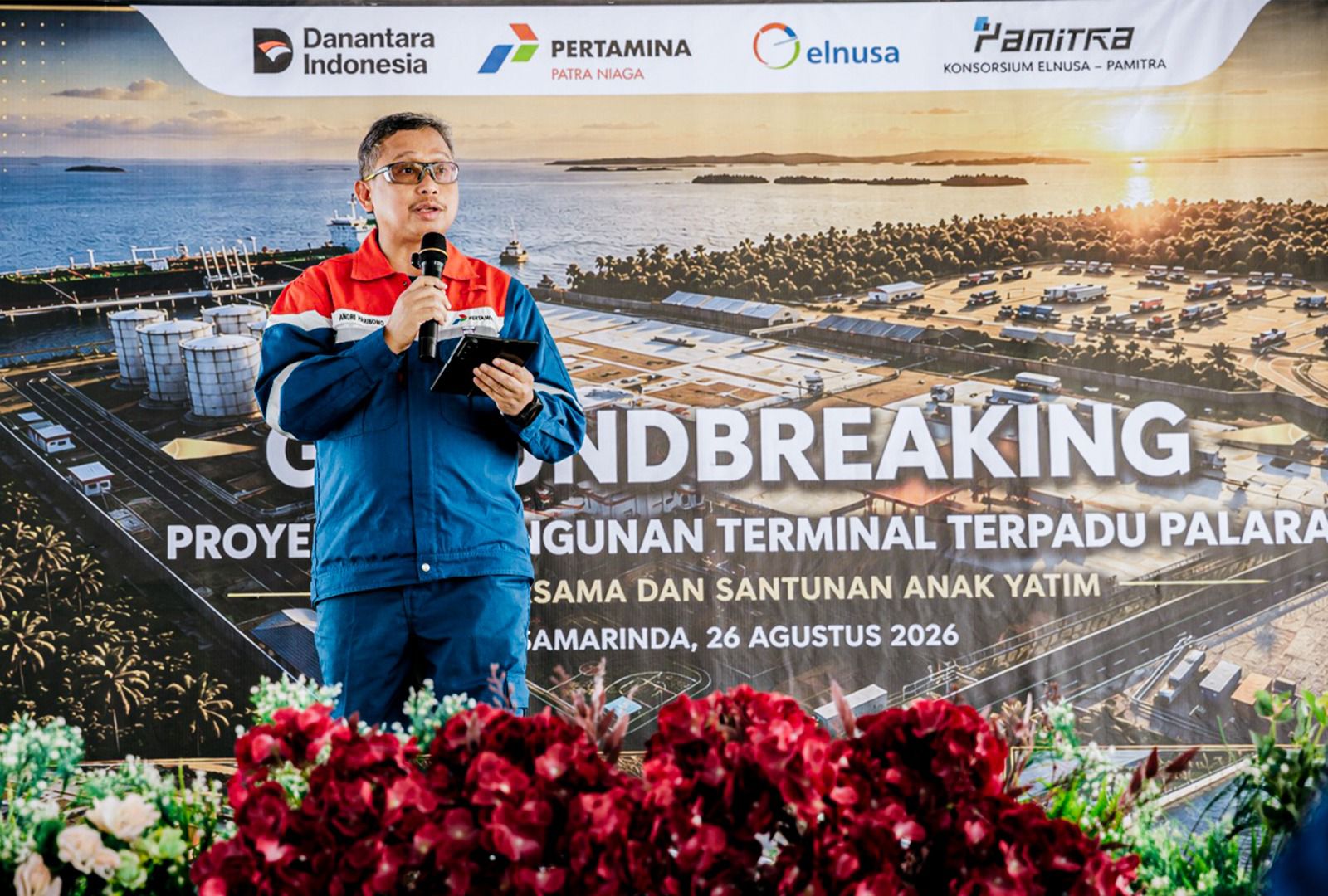
Progres Pembangunan Terminal Terpadu Palaran Lampaui Rencana, Elnusa Komitmen Perkuat Ketahanan Energi Nasional
-
 Senin, 31 Agustus 2026 | 11:54
WisPaper Perkenalkan TrueCite untuk Membantu Peneliti Memverifikasi Referensi Akademik yang Dihasilkan AI
-
 Senin, 31 Agustus 2026 | 11:53
Lee Kum Kee Bekali Pelajar Hong Kong dengan Pengalaman Industri melalui Program Magang Musim Panas
-
 Senin, 31 Agustus 2026 | 11:53
Rayakan 100 Tahun Winnie-the-Pooh, ALUXE Luncurkan Koleksi Cincin Pernikahan 'Honey Halo'

-
 Senin, 24 Agustus 2026 | 22:07
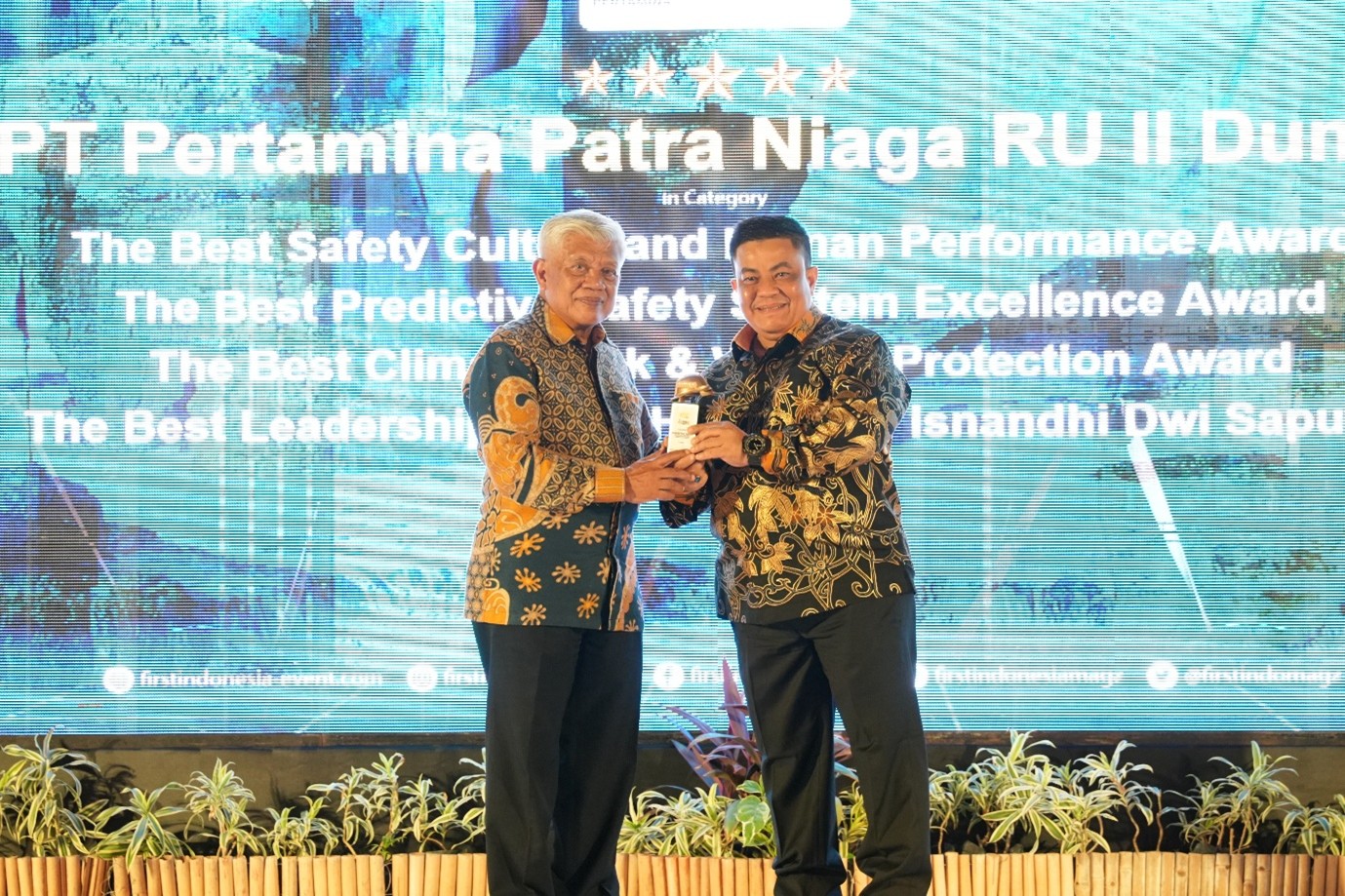
Pertamina Patra Niaga Raih Predikat Bintang 5 dan Boyong Penghargaan di Ajang ISEA 2026
-
-
 Selasa, 25 Agustus 2026 | 20:09
HIS Implementasikan B50, Perkuat Komitmen Mendukung Ketahanan Energi Indonesia
-
 Selasa, 25 Agustus 2026 | 20:10
Duiba Group Announces Rapid Scaling of AI Short Drama Business and Significant AI Technology-Driven Revenue Growth
-
 Selasa, 25 Agustus 2026 | 20:08
Waskita Beton Precast Bersama PMI Salurkan Bantuan Kemanusiaan untuk Masyarakat Terdampak di NTT