Menu Website

- Home
- MediaOutReach
- Taiwan outpaces asia average in workplace AI adoption: 96% of professionals use AI at work, skills confidence ranks highest across 10 markets

Taiwan outpaces asia average in workplace AI adoption: 96% of professionals use AI at work, skills confidence ranks highest across 10 markets
Senin, 31 Agustus 2026 | 10:41
Link berita berhasil disalin!

Nearly 8 in 10 professionals see AI as a career opportunity, not a threat
- - 96% of professionals in Taiwan are already using AI at work, above the Asia average of 93%; 79% believe AI will have a positive impact on their future career opportunities, compared with 75% across Asia.
- - 73% of Taiwan professionals are confident in their ability to keep their skills up to date as roles evolve, the highest level among the 10 Asian markets surveyed.
- Predictive analytics and decision support (62%) is the most common AI use case among professionals in Taiwan, suggesting AI adoption is moving beyond content generation into analysis and decision-making.
- - 76% of Taiwan employers identify critical thinking and fact-checking as a key capability in an AI-driven workplace, compared with 64% across Asia.
- - The top AI concerns among Taiwan professionals are data misuse and confidentiality (54%) and accountability for AI-driven decisions (51%) - both the highest levels recorded across the 10 markets.
- - 53% of Taiwan employers expect at least a quarter of their workforce to require reskilling or upskilling over the next five years, highlighting the scale of workforce transformation ahead.
TAIPEI, TAIWAN - Media OutReach Newswire - 31 August 2026 - AI has quickly become part of everyday working life across Asia. According to The Jobs of Tomorrow: How AI is Reshaping Work Across Asia, the latest research from Robert Walters, the world's most trusted talent solutions business, 93% of professionals across 10 Asian markets are actively using AI at work, while 58% of employers have formally introduced AI into the workplace.
Taiwan stands above the Asia average not only in AI adoption, but also in career optimism and confidence in adapting to changing skill requirements. 96% of Taiwan professionals already use AI at work, while 79% believe it will positively impact their future career opportunities. Most notably, 73% are confident they can keep their skills relevant as roles evolve - the highest level across all 10 markets surveyed.
As AI becomes more deeply embedded in workflows, Taiwan's workplace is moving beyond the question of whether to use AI towards how to use it effectively and responsibly - from applying AI to analysis and decision-making, to validating outputs and establishing clearer accountability. Robert Walters Taiwan notes that the most immediate impact is not widespread job elimination, but a reconfiguration of work: routine execution is increasingly supported by technology, while human contribution moves towards judgement, oversight and accountability for outcomes.
Taiwan professionals show Asia's highest confidence in keeping skills up to date
While AI usage is consistently high across Asia, professionals differ significantly in how confident they feel about adapting their skills as work evolves.
For Taiwan professionals, continuous skills development is becoming increasingly important as AI reshapes job requirements. 53% of Taiwan employers expect at least a quarter of their workforce to require reskilling or upskilling within the next five years, while 18% expect this to apply to more than half of employees.
At the same time, 73% of Taiwan professionals are confident in their ability to continue learning and keeping their skills up to date, compared with 51-59% across the other Asian markets surveyed. This suggests that while the scale of skills transformation will be significant, Taiwan professionals are relatively confident in their ability to adapt.
John Winter, Country Manager of Robert Walters Taiwan, said: "As AI continues to reshape the way we work, knowing how to use AI is quickly becoming a baseline capability. What will differentiate professionals in the future is their ability to continuously evolve their skills and turn technology into meaningful business outcomes.".
Beyond content generation: 62% of Taiwan professionals use AI for predictive analytics and decision support
Across Asia, the most common applications of AI at work are content creation (47%), data analysis and insights (40%) and research (38%), reflecting AI's growing role as a first layer for drafting, information gathering, data processing and baseline analysis.
Taiwan appears to be more focused on analytical and decision-support activities. Predictive analytics and decision support (62%) is the most common application of AI among Taiwan professionals, followed by content creation (58%) and data analysis and insights (40%).
The findings suggest that Taiwan's workplace AI adoption is not only above the Asia average in scale, but is also moving beyond productivity support into analysis, insight generation and decision-making.
Commenting on the shift, John Winter said: "As AI moves from content generation into analysis and decision support, the value professionals bring will also change. The real differentiator is not how quickly someone can get an answer from AI, but whether they can validate the information, apply business context and turn those insights into better decisions and outcomes."
Taiwan professionals are less concerned about job loss - and more focused on data, trust and accountability
The impact of AI on jobs remains a major topic of discussion. In Taiwan, employers identify Administration & Business Support (45%), Accounting & Finance (28%), and IT & Digital Transformation (22%) as the functions most exposed to change as AI becomes more integrated into the workplace.
Even as AI reshapes roles, Taiwan professionals remain broadly optimistic about its impact on their careers. 79% believe AI will have a positive impact on their career opportunities. While one in five professionals in neighbouring Hong Kong believe AI will negatively affect their career opportunities, concerns in Taiwan are less focused on whether AI will replace jobs and more on whether it can be used safely and responsibly. 54% of Taiwan professionals are concerned about data misuse and confidentiality, while 51% are concerned about accountability for AI-driven decisions. Both are the highest levels recorded across the 10 Asian markets surveyed.
In parallel, employers are placing greater emphasis on the human capabilities needed to work effectively alongside AI. 76% of Taiwan employers identify critical thinking and fact-checking as one of the most important skills in an AI-driven workplace, highlighting the growing importance of human judgement. As AI becomes faster at providing information and answers, professional value is increasingly shifting from simply finding information to validating it, applying the right context and knowing when to challenge an AI-generated response.
AI is reshaping today's workplace as the "jobs of tomorrow" begin to take shape
As AI adoption deepens, demand is growing for professionals who can combine technology understanding, data capabilities and commercial judgement. Robert Walters identifies three key areas of growth:
- - AI-adjacent and hybrid roles that bridge technical teams and business needs, such as AI Product Managers and AI Business Analysts.
- - Data, insights and transformation roles that turn AI-generated insights into measurable business outcomes, such as Data Analysts and Business Intelligence professionals.
- - Governance, ethics and trust-related roles that support responsible AI adoption, including AI Governance or Risk Managers, Responsible AI Leads and Data Privacy Officers.
Together, these roles reflect a broader shift in talent demand, moving beyond pure AI engineering expertise towards professionals who can combine technology, data, commercial judgement and governance capabilities.
John Winter added: "AI is already widely embedded in the way professionals in Taiwan work, and people are confident in their ability to keep learning as skills evolve. For organisations, the next step is not simply to introduce more AI tools, but to rethink job design, workforce capabilities and how AI is used responsibly. AI can improve efficiency, but sound judgement and the ability to turn technology into real business value remain fundamentally human."
Note to editor:
About The Jobs of Tomorrow: How AI is Reshaping Work Across Asia
Robert Walters surveyed close to 5,000 professionals and companies across 10 Asian markets - Taiwan, Hong Kong, Singapore, Japan, Mainland China, Malaysia, Indonesia, the Philippines, Thailand and Vietnam - during the fourth quarter of 2025.
The research examines how AI is reshaping job content, skills requirements and career pathways across Asia, as well as the capabilities organisations and professionals will need to remain competitive as AI adoption accelerates.
To access the full report, please visit: https://reurl.cc/be9MDo
https://www.robertwalters.com.tw/
📢 Publisir Berita & Kegiatan Instansi Anda di RiauGreen
Jangkau pembaca luas & terindeks Google News. Pilih paket rilis pers, advertorial, atau kemitraan media.
BERITA LAINNYA

Senin, 31 Agustus 2026 | 11:35

Senin, 31 Agustus 2026 | 11:33
Senin, 31 Agustus 2026 | 10:41
Senin, 31 Agustus 2026 | 09:32
Senin, 31 Agustus 2026 | 09:32

Senin, 31 Agustus 2026 | 09:31
Senin, 31 Agustus 2026 | 09:29

Sabtu, 29 Agustus 2026 | 11:55
Sabtu, 29 Agustus 2026 | 11:55
Sabtu, 29 Agustus 2026 | 08:31
Sabtu, 29 Agustus 2026 | 08:30
Sabtu, 29 Agustus 2026 | 08:30
BERIKAN KOMENTAR

-
Senin, 31 Agustus 2026 | 11:35
Lee Kum Kee Sauce Creates Summer Internship Experience for Local Secondary School Students
-
Senin, 31 Agustus 2026 | 11:33
2026 ALUXE Unveils the New Disney Winnie the Pooh 100th Anniversary Wedding Ring Collection
-

-
 Senin, 31 Agustus 2026 | 10:44
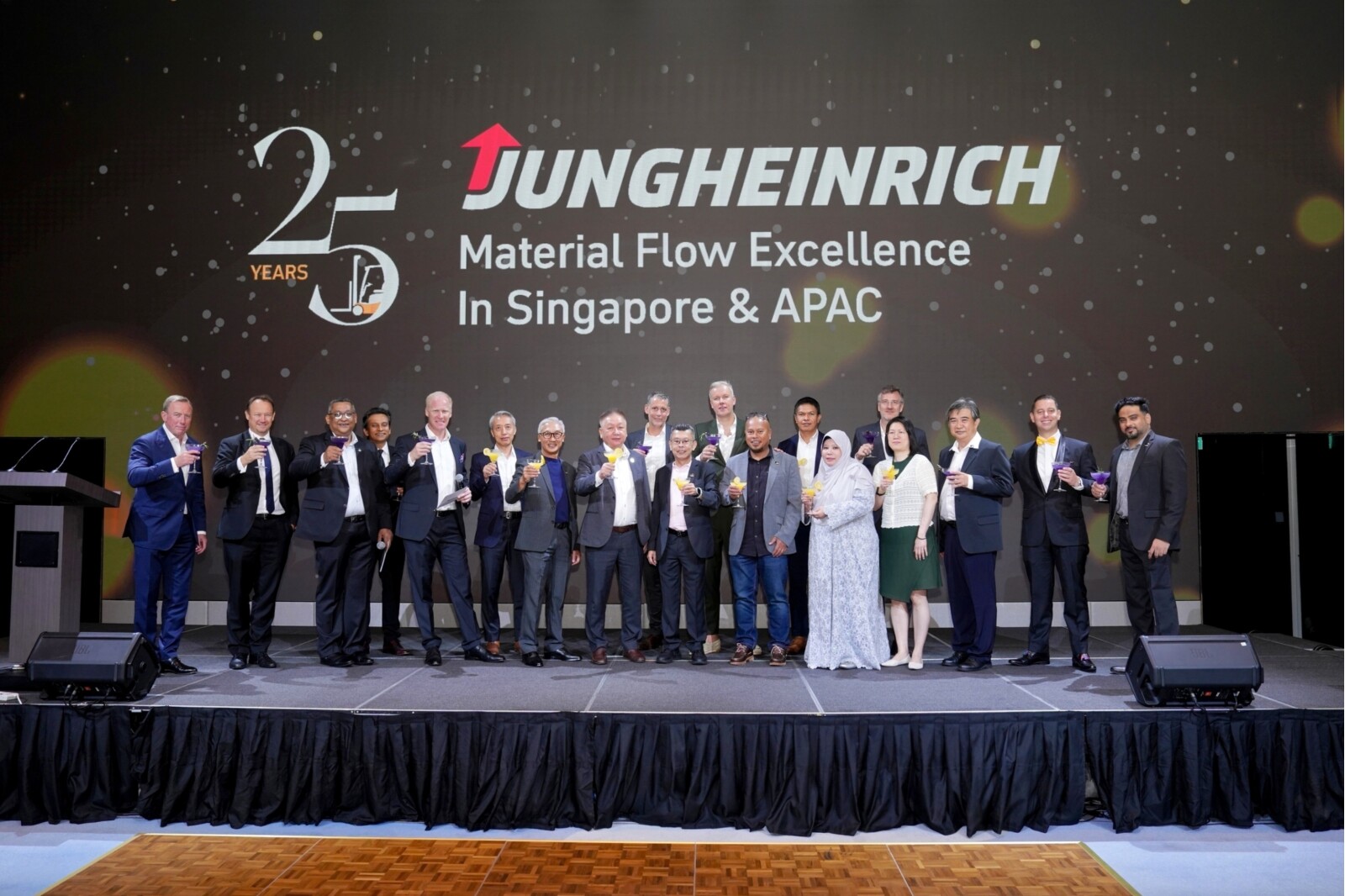
Jungheinrich Peringati 25 Tahun di Singapura, Memimpin Hub Strategis APAC dan Elektrifikasi Pasar
-
Senin, 31 Agustus 2026 | 10:44
Style3D Mengembangkan AI untuk Industri Fesyen, dari Pembuatan Konten hingga Alur Kerja Produk yang Terintegrasi
-


-
 Senin, 24 Agustus 2026 | 22:07
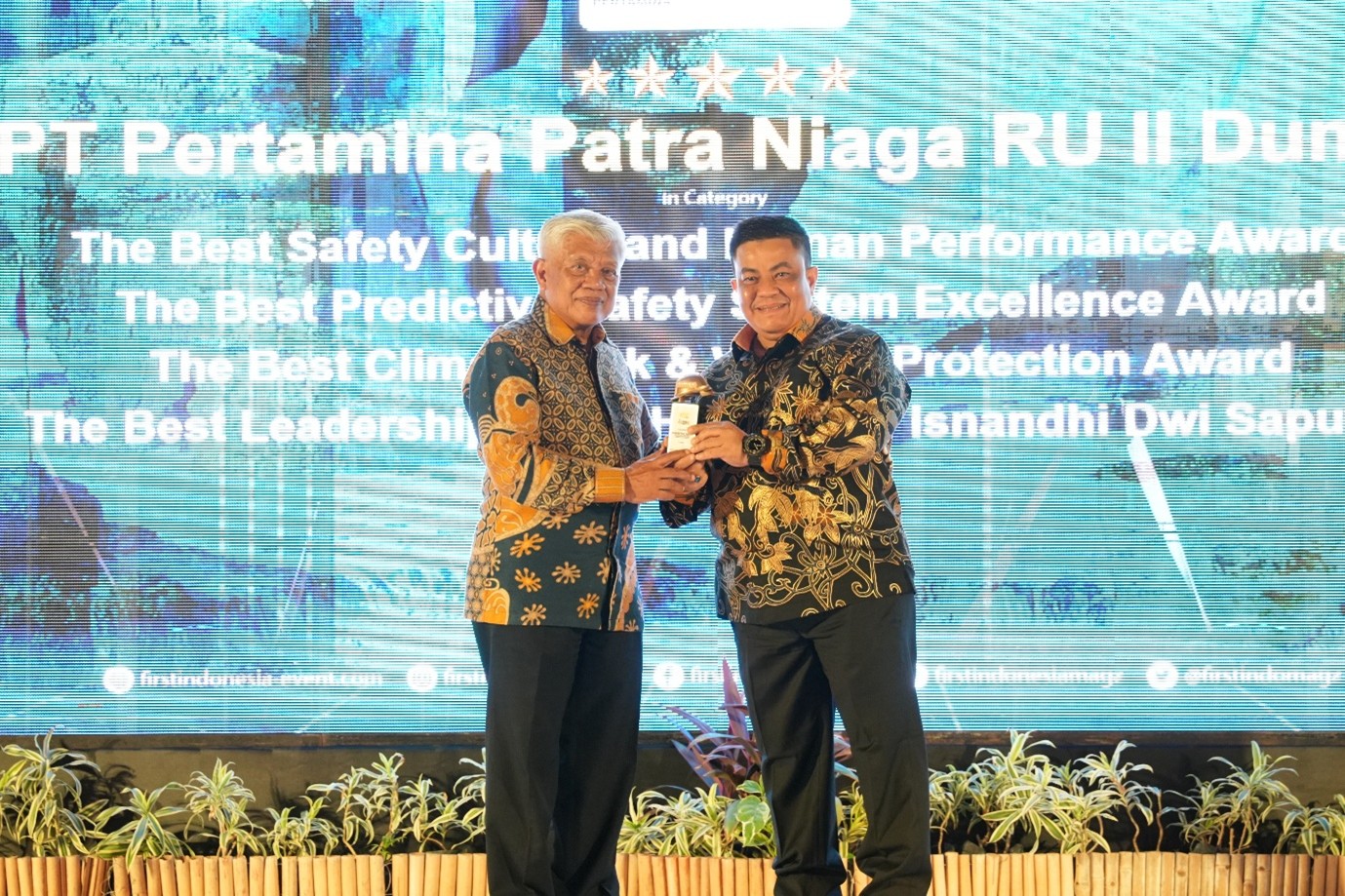
Pertamina Patra Niaga Raih Predikat Bintang 5 dan Boyong Penghargaan di Ajang ISEA 2026
-

-
 Selasa, 25 Agustus 2026 | 20:09
HIS Implementasikan B50, Perkuat Komitmen Mendukung Ketahanan Energi Indonesia
-
 Selasa, 25 Agustus 2026 | 20:10
Duiba Group Announces Rapid Scaling of AI Short Drama Business and Significant AI Technology-Driven Revenue Growth
-
 Selasa, 25 Agustus 2026 | 20:08
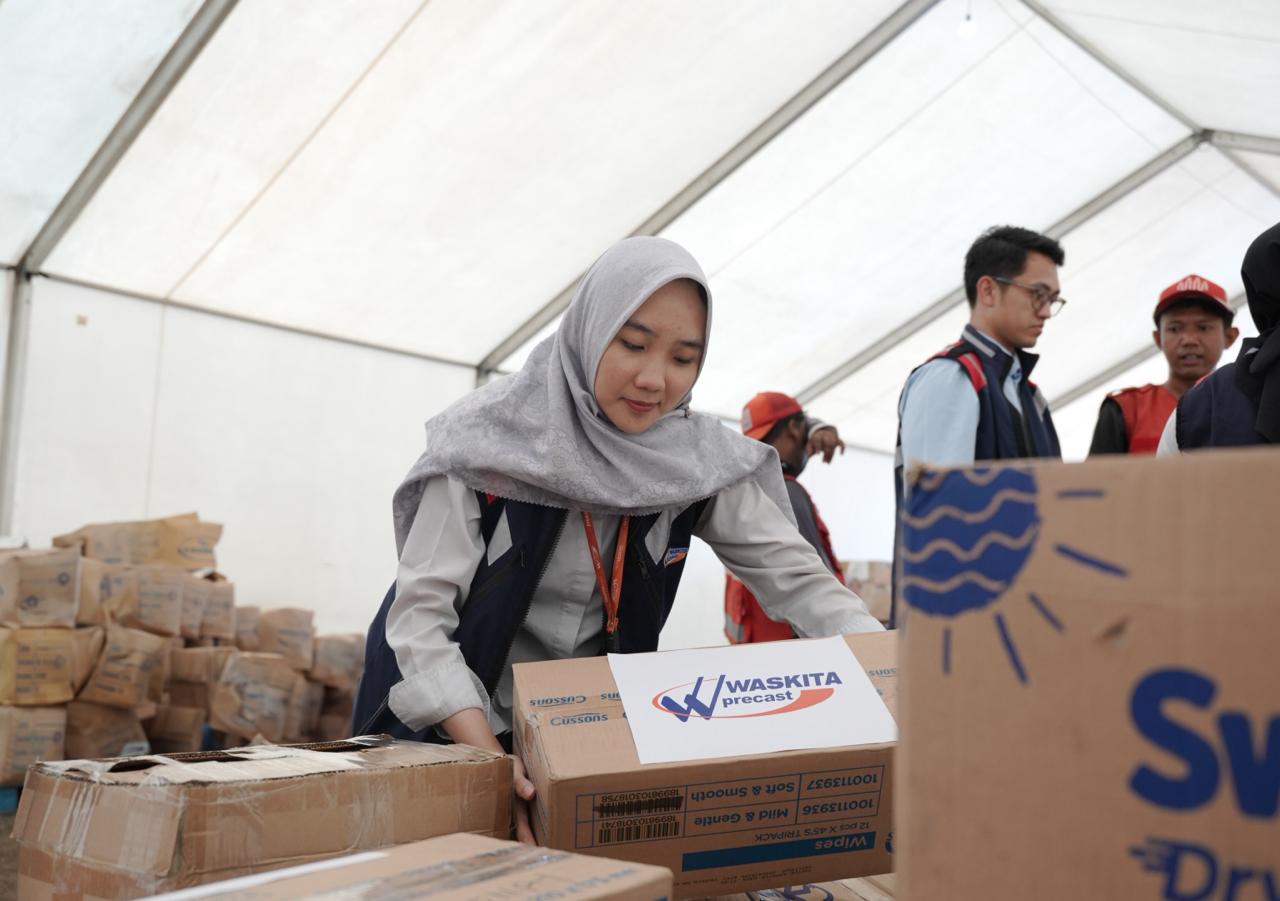
Waskita Beton Precast Bersama PMI Salurkan Bantuan Kemanusiaan untuk Masyarakat Terdampak di NTT