Menu Website

- Home
- MediaOutReach
- The Cascade of Sleep Deprivation: Bupa's Health or Hype Explores the Real-World Impact of Curtailing Sleep

The Cascade of Sleep Deprivation: Bupa's Health or Hype Explores the Real-World Impact of Curtailing Sleep
Rabu, 28 Oktober 2026 | 19:33
Link berita berhasil disalin!
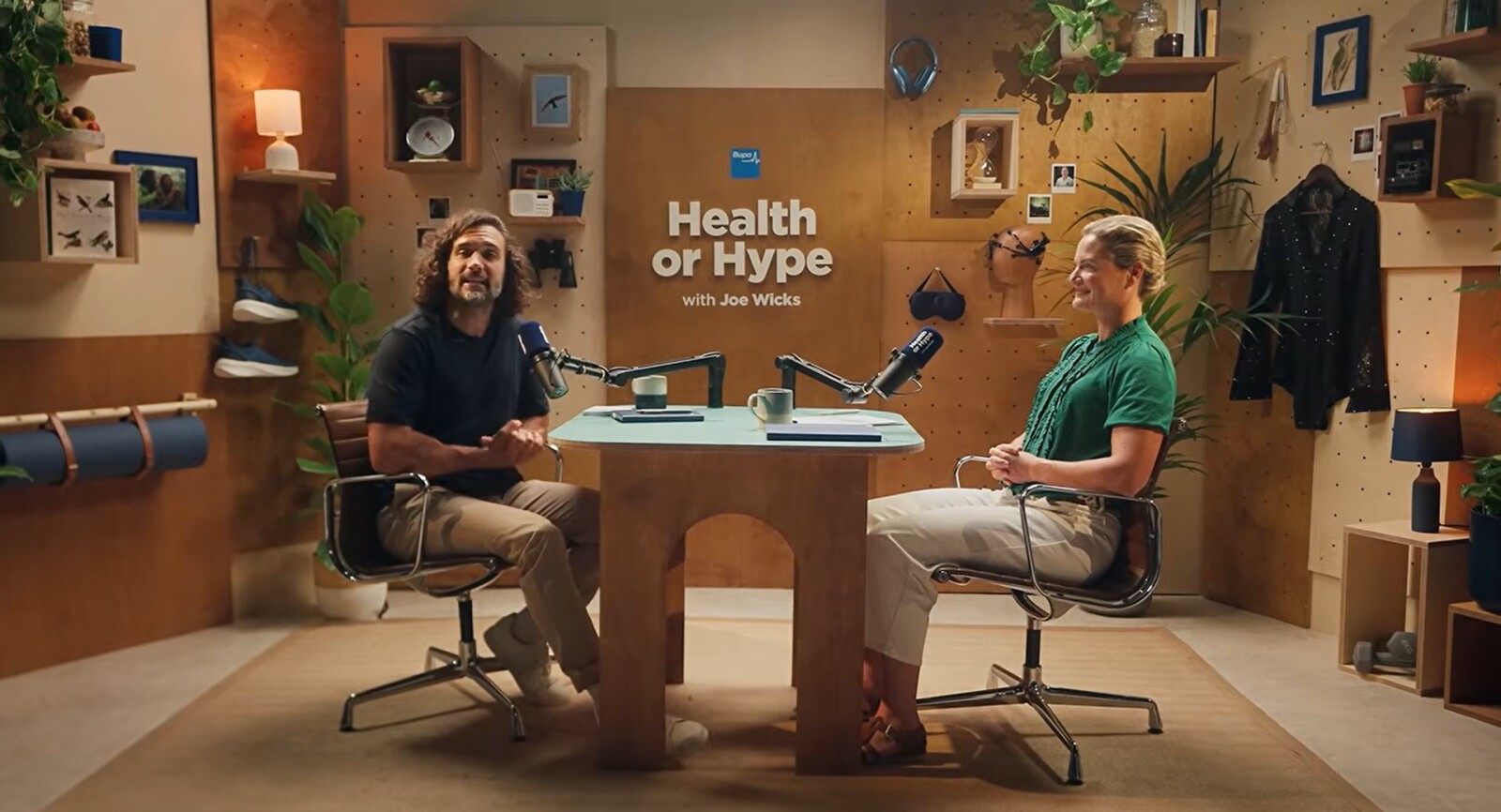
Fitness advocate Joe Wicks reduces sleep under expert observation; Bupa Hong Kong shares evidence-informed perspectives to help urban professionals navigate evening rest
Fitness advocate Joe Wicks reduces sleep under expert observation; Bupa Hong Kong shares evidence-informed perspectives to help urban professionals navigate evening rest
HONG KONG SAR -
Media OutReach Newswire - 28 October 2026 - In a fast-paced city where long working hours and late schedules are commonplace, achieving restorative sleep can often feel challenging. But what actually happens to our bodies, brains, and daily choices when sleep is sharply reduced?
In the Sleep episode of Bupa's global video series Health or Hype, fitness advocate Joe Wicks took part in a challenge by reducing his sleep to approximately five hours per night over three consecutive days. Observed by sleep specialist Dr Sophie Bostock, the episode documents physiological and behavioural changes during this period, including a marked increase in daily screen time (surpassing 13.5 hours), increased emotional irritability, and pronounced cravings for refined carbohydrates. While individual responses vary, these observations help illustrate the importance of sleep for overall health and daily performance. Drawing on these observations, Bupa Hong Kong explores practical, evidence-informed perspectives to encourage sustainable rest and holistic wellbeing in high-pressure urban environments.
The Domino Effect: Screen Fatigue and Metabolic Disruptions
During the observed challenge, Joe experienced an increased inclination toward refined snacks and extended mobile phone usage throughout the late evening. This may closely reflect the daily experiences of busy urban professionals who habitually go to bed late or have irregular sleep schedules.
From a clinical perspective, Dr Lau Yue Young Geoffrey, Specialist in Family Medicine, explains that several physiological mechanisms are typically at play, "Deep restorative sleep plays an indispensable role in metabolic equilibrium. When sleep is curtailed, appetite-regulating hormones shift-leptin, which signals satiety, declines, while ghrelin, the hunger signal, increases. This hormonal imbalance predisposes individuals to seek quick-energy foods and refined carbohydrates to compensate for low daytime alertness."
"At the same time, sleep deprivation places a significant drain on executive cognitive endurance," Dr Lau adds. "As self-regulation reserves steadily decline across an intense workday, individuals become far more susceptible to late-night passive screen scrolling as an effortless, low-friction form of decompression."
Reframing Rest: An Active Multiplier for Physical and Cognitive Performance
A key perspective highlighted by sleep specialist Dr Bostock is the role of sleep as an active enabler of human performance, rather than simply a passive reset back to baseline. During deep sleep, the brain actively consolidates memories and information to clear learning bandwidth for the following day, while the body carries out cellular and muscular repair.
To help urban professionals build sustainable evening recovery without rigid or unmanageable regimens, Bupa highlights several manageable lifestyle considerations:
- - Morning Light Exposure: Spending 10 to 15 minutes outdoors in natural daylight during the morning commute helps calibrate the circadian clock, anchoring daytime alertness and promoting timely evening melatonin onset.
- - Offloading Late-Night Thoughts: Working late keeps the mind active. Spending just a few minutes writing down tomorrow's to-do list on paper allows the brain to commit thoughts to the page and release them before turning off the lights.
- - Physiological Wind-Down: Gentle physical routines, such as stretching to relieve postural desk tension, slow breathing exercise, or traditional wellness rituals like acupressure at the "Peaceful Sleep" pressure point (located in the soft hollow directly behind each earlobe) can assist the body in transitioning toward nighttime relaxation.
Recognising Hong Kong's dynamic pace, Bupa's
Health or Hype series seeks to unpack popular wellness topics with balanced, expert insights, supporting the community and organisations in fostering healthy, sustainable lifestyle habits.
The full Sleep episode of Health or Hype featuring Joe Wicks and Dr Sophie Bostock is available on YouTube: What happens when Joe Wicks drastically reduces his sleep? - Health or Hype Episode 4: Sleep - YouTube
📢 Publisir Berita & Kegiatan Instansi Anda di RiauGreen
Jangkau pembaca luas & terindeks Google News. Pilih paket rilis pers, advertorial, atau kemitraan media.
BERITA LAINNYA

Rabu, 28 Oktober 2026 | 19:34
Rabu, 28 Oktober 2026 | 19:33

Rabu, 28 Oktober 2026 | 19:32

Rabu, 28 Oktober 2026 | 19:31
Rabu, 28 Oktober 2026 | 19:30

Rabu, 28 Oktober 2026 | 19:29

Rabu, 28 Oktober 2026 | 19:28
Rabu, 28 Oktober 2026 | 19:27

Rabu, 28 Oktober 2026 | 19:26


Rabu, 28 Oktober 2026 | 10:37
Rabu, 28 Oktober 2026 | 10:35
BERIKAN KOMENTAR

-
 Rabu, 28 Oktober 2026 | 21:00
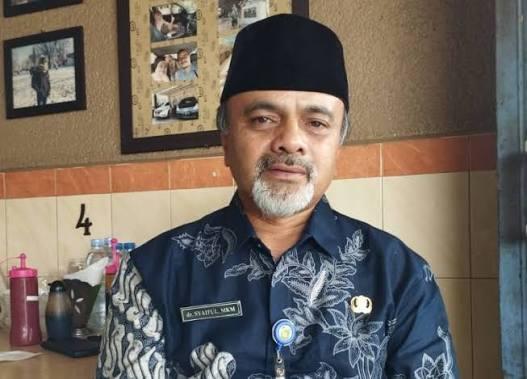
Kadiskes Dumai Ingatkan Masyarakat agar Tidak Anggap Remeh Ancaman DBD
-
 Rabu, 28 Oktober 2026 | 20:48
Dispertaru Kota Dumai Komitmen Kawal Pembangunan Proyek Infrastruktur Strategis TA 2026
-
-
 Rabu, 28 Oktober 2026 | 20:38
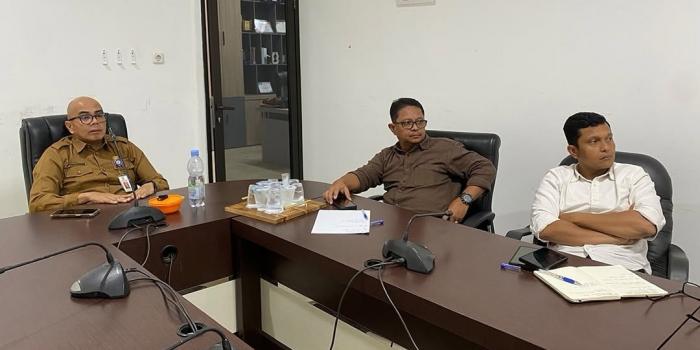
Kepala Dinas PU Kota Dumai: Peningkatan Jalan Diponegoro untuk Atasi Persoalan Genangan Air
-
 Rabu, 28 Oktober 2026 | 20:36
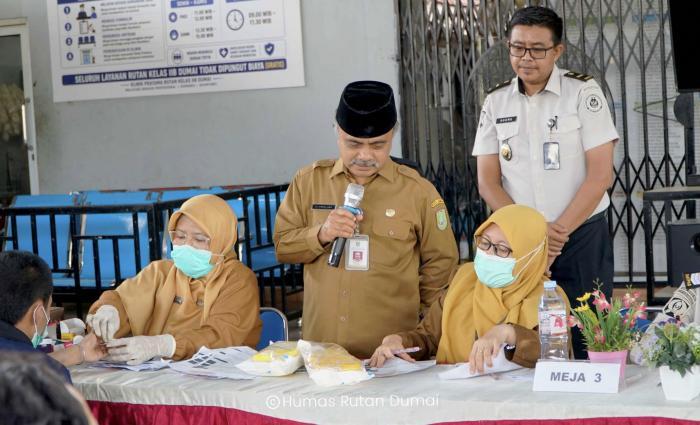
Kadinkes Dumai Pantau Lansung Monitoring Kegiatan Skrining Tuberkulosis di Rutan Kelas IIB
-

-
-
 Sabtu, 24 Oktober 2026 | 16:59
Kiprah Membanggakan dari Riau! Fahriansyah, ASN Damkar Pekanbaru yang Mengabdikan Ilmunya hingga Kalimantan
-
 Kamis, 22 Oktober 2026 | 09:10
Prepare for Year-End Wellness: iHerb Highlights Four Everyday Health Essentials and Launches Its 11.11 Early Access Sale
-
 Sabtu, 24 Oktober 2026 | 17:24
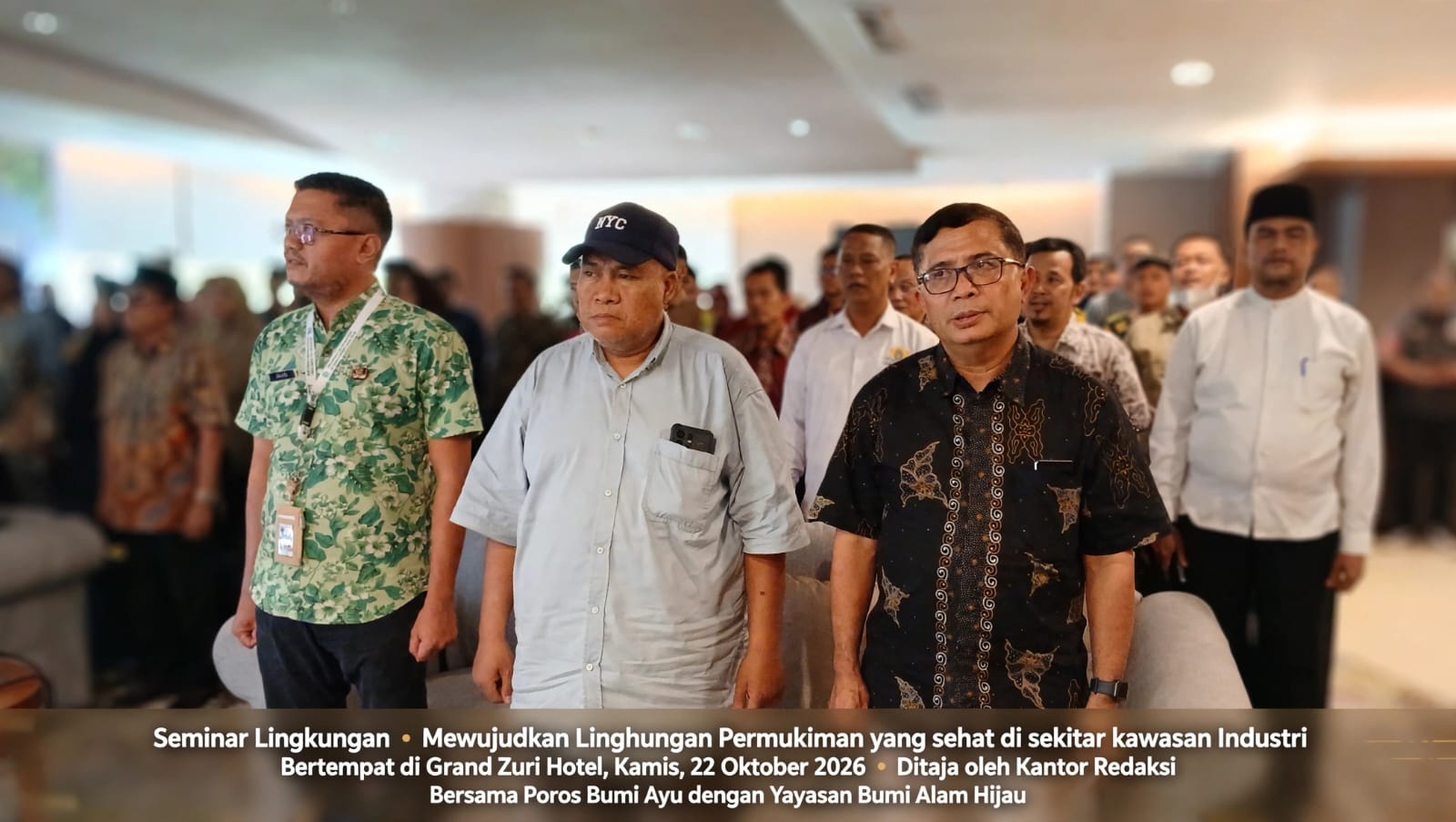
PT Pertamina Patra Niaga Kilang Dumai Komitmen Dukung Penuh Pelestarian Alam dan Lingkungan
-
 Kamis, 22 Oktober 2026 | 18:33
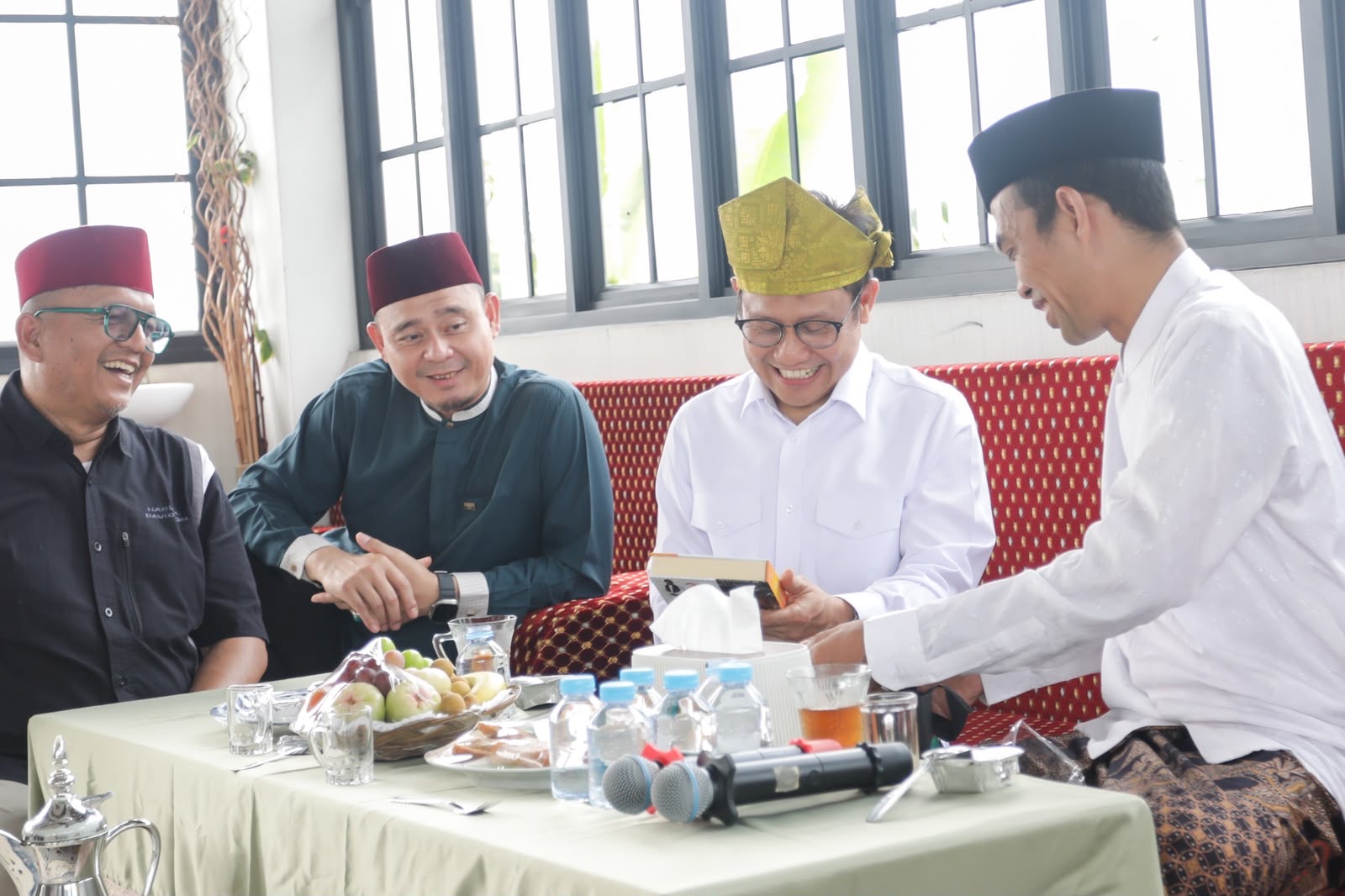
Gus Muhaimin Ungkap Kegelisahan saat Sowan UAS: Perpecahan Umat Tak Hasilkan Apa-Apa
-
 Kamis, 22 Oktober 2026 | 18:32
Pimpin Apel HSN di Riau, Gus Muhaimin Bidik Santri Jadi Jawaban atas Krisis Bangsa