Menu Website

- Home
- MediaOutReach
- Retirement Costs Soar Faster Than Inflation, Monthly Spend Hits HK$15,090: Over 72% of HK Retirees Wish They'd Acted Sooner

Retirement Costs Soar Faster Than Inflation, Monthly Spend Hits HK$15,090: Over 72% of HK Retirees Wish They'd Acted Sooner
Kamis, 27 Agustus 2026 | 20:30
Link berita berhasil disalin!
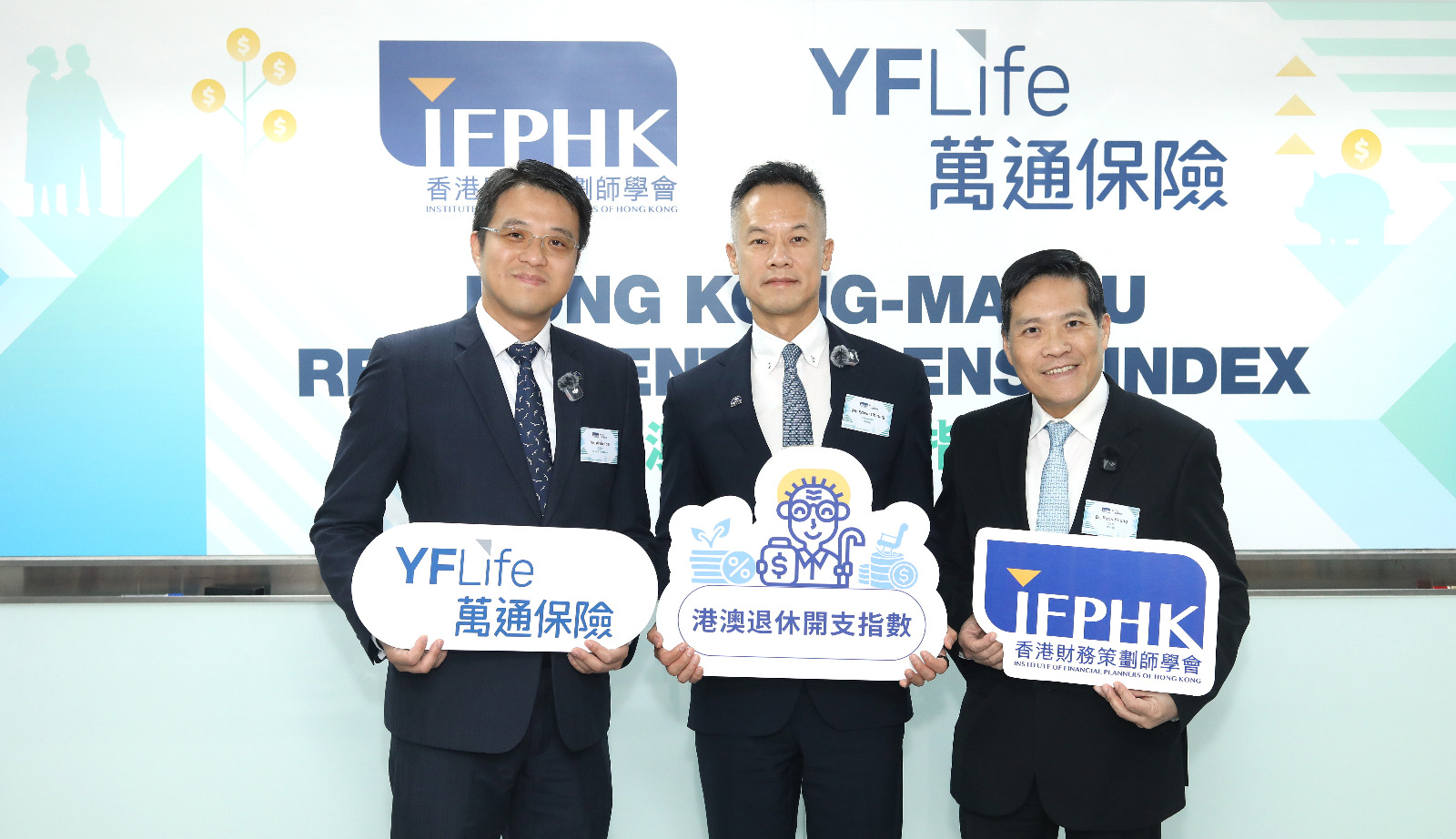
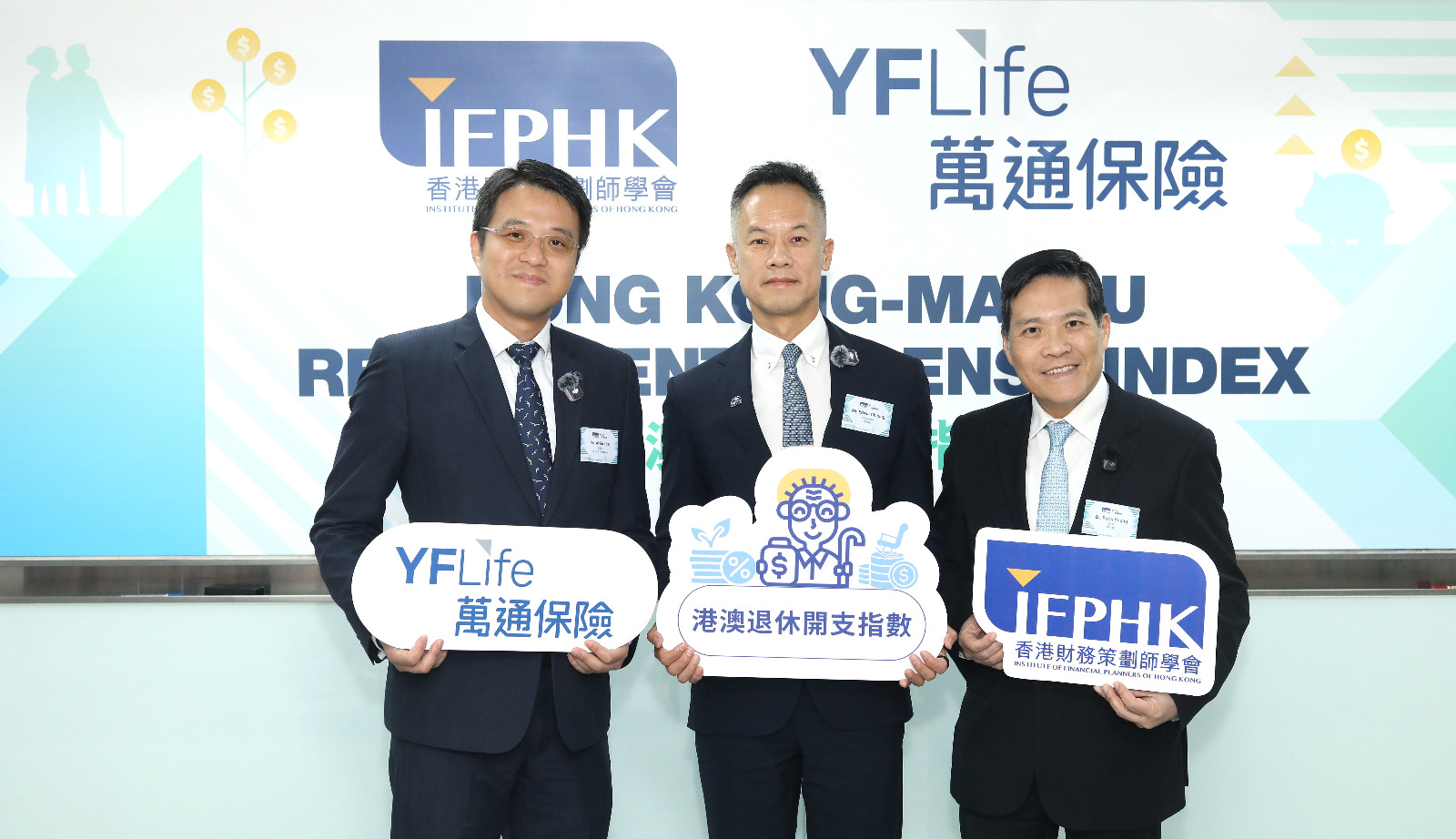
- - IFPHK x YF Life: Hong Kong-Macau Retirement Expense Indexrises to 131.6 - Monthly Spending Reaches HK$15,090
- - Retiree Living Costs Have Risen Nearly 3 Times Faster Than General Inflation Since 2020
HONG KONG SAR -
Media OutReach Newswire
- 27 August 2026 - The Institute of Financial Planners of Hong Kong
(IFPHK), in collaboration with YF Life Trustees Ltd. (YF Life Trustees),
today launched the "IFPHK x YF Life: Hong Kong-Macau Retirement Expense
Index" (Index). While the Index has been tracking retiree living
expenses since its inception in 2020, this year marks the first time
IFPHK and YF Life Trustees have partnered to expand the study to cover
both Hong Kong and Macau, providing a broader regional benchmark.
The findings show that retiree inflation in Hong Kong has continued to outpace general inflation. The Index rose to 131.6 in 2026, up from 127.0 in 2023 and 100 in 2020, while average monthly spending increased to about HK$15,090 in 2026. On an annualised basis, the Hong Kong Retirement Expense Index grew by more than 5% per annumfrom November 2020 to May 2026, compared with about 1.8% per annum for Hong Kong's Composite CPI over the same period, showing that retiree living costs have effectively appreciated close to three times faster than Hong Kong's general Composite CPI over the same period, underscoring how retirement-specific inflation - driven by travel and dining - is materially outpacing headline price trends.
Furthermore, the study reveals that more than 72% of retirees carry at least one regret regarding their retirement preparation. Most commonly, respondents feel they should have started saving or investing earlier and learned about financial planning sooner, while many continue to express concerns about medical costs, inflation, longevity risk and the risk of outliving their savings.
Dr. Paris Yeung, Chief Executive Officer of IFPHK, stated: "The findings show that satisfaction alone does not mean retirees are fully prepared. More than 72% say they have regrets, and the most common regrets point clearly to the need to start saving, investing and planning earlier. At the same time, retiree inflation has been rising faster than headline inflation, which means future retirees need more robust and flexible plans to protect their purchasing power over time. Through this expanded collaboration with YF Life, we aim to provide deeper regional insights to help future retirees plan with greater confidence."
He added: "Turning regret into action requires starting earlier, integrating healthcare protection into retirement planning, viewing MPF as a steady retirement paycheck, and engaging qualified financial planners to address estate planning gaps. More importantly, retirement planning should shift from a rigid, set-and-forget approach to a flexible plan that adapts to each retiree's evolving needs-what we call moving from a 'fixed plan' to a 'flexible, evolving strategy'. Our goal is to help future retirees achieve sustainable and wellplanned golden years."
Mr. Alvin Tse, Chief Executive Officer of YF Life Trustees, stated: "As the exclusive Project Sponsor of this expanded regional study, YF Life is proud to collaborate with IFPHK on this critical benchmark for Hong Kong and Macau. The 2026 data clearly shows that while retirees desire active lifestyles, they are heavily squeezed by medical inflation and the fear of outliving their wealth. To bridge this gap, retirees must shift away from viewing retirement savings as a static lump sum. By maximizing the flexibility of the MPF through phased withdrawals and mixed-asset strategies, alongside pairing them with lifetime annuity-style income streams and robust medical protection, individuals can effectively convert accumulated assets into a predictable, lifelong paycheck. True financial peace of mind comes from building an integrated fortress that safeguards against both market volatility and longevity risk."
Key Highlights of the Study:
- - Retiree Inflation Has Outpaced General Inflation: The Index rose from 100 in 2020 to 131.6 in 2026, with average monthly retiree expenses increasing to about HK$15,090 and the Index growing at more than 5% per annum versus about 1.8% for Hong Kong's Composite CPI for the same period. This escalation is driven partly by travelling and cross‑boundary transport-with roughly four out of five retirees visiting GBA Mainland cities and spending about RMB 1,100 per trip. This suggests that general inflation figures may understate retirees' actual cash‑flow needs, highlighting the importance of planning for inflation‑protected retirement income and periodically rebasing budgets using a retiree‑specific living expense index rather than general CPI so they can maintain their intended post‑retirement lifestyle.
- - Retirees' Satisfaction Masks Ongoing Financial Anxiety and Planning Gaps: Although many retirees report being satisfied with their current retirement life, concerns remain widespread, with 51% worrying about unexpected medical expenses, 41% about inflation and 77% still lacking any form of estate or asset planning. This suggests that retirees should turn present satisfaction into future resilience by building healthcare and contingency reserves, setting clear drawdown rules to manage longevity risk, and putting in place basic estate and incapacity documents such as wills, enduring powers of attorney and advance directives well before potential health or family crises arise.
- - Conservative Spending but Widespread Regret-Especially Among Asset‑Rich Retirees
Actual retirement spending remains conservative, with average retirement expenses in 2026 equal to about 49% of pre‑retirement income. Yet more than 72% of retirees say they would have done something differently in preparing for retirement, most notably saving or investing earlier, learning financial planning earlier and communicating more openly with family about money and care needs. This pattern emphasizes that future retirees should start disciplined saving, investing and family financial discussions much earlier, even when their asset position appears comfortable. - - MPF Transitioning Toward Income Support: While most eligible retirees still treat MPF as a lump sum, with about 76% having fully withdrawn their benefits in 2026, the scheme is gradually shifting toward an income‑support role, as 22% now use MPF to fund monthly expenses, up from 12% in 2023. Retirees are encouraged to treat MPF as part of a structured retirement income strategy, considering phased withdrawals, annuity‑style income solutions, and planned drawdowns rather than a single cash‑out, converting accumulated MPF assets into a more predictable and sustainable retirement paycheck.
📢 Publisir Berita & Kegiatan Instansi Anda di RiauGreen
Jangkau pembaca luas & terindeks Google News. Pilih paket rilis pers, advertorial, atau kemitraan media.
BERITA LAINNYA

Kamis, 27 Agustus 2026 | 20:30

Kamis, 27 Agustus 2026 | 20:30
Kamis, 27 Agustus 2026 | 20:29
Kamis, 27 Agustus 2026 | 20:28
Kamis, 27 Agustus 2026 | 20:27
Kamis, 27 Agustus 2026 | 20:26
Kamis, 27 Agustus 2026 | 20:26


Kamis, 27 Agustus 2026 | 20:24

Rabu, 26 Agustus 2026 | 21:28
BERIKAN KOMENTAR

-
 Kamis, 27 Agustus 2026 | 22:48
Performa, Kenyamanan, dan Ketenangan Pikiran Melejitkan VinFast VF 8 di Peta EV Timur Tengah
-
-
 Kamis, 27 Agustus 2026 | 22:46
HKT Akan Berpartisipasi dalam GenA.I. Sandbox++ untuk Mengembangkan Verifikasi Identitas Agen AI
-
 Kamis, 27 Agustus 2026 | 22:45
Ajang ATFX World Trading Cup Makin Semarak, Trader Global Bersaing Memperebutkan USD 210.000
-
 Kamis, 27 Agustus 2026 | 22:44
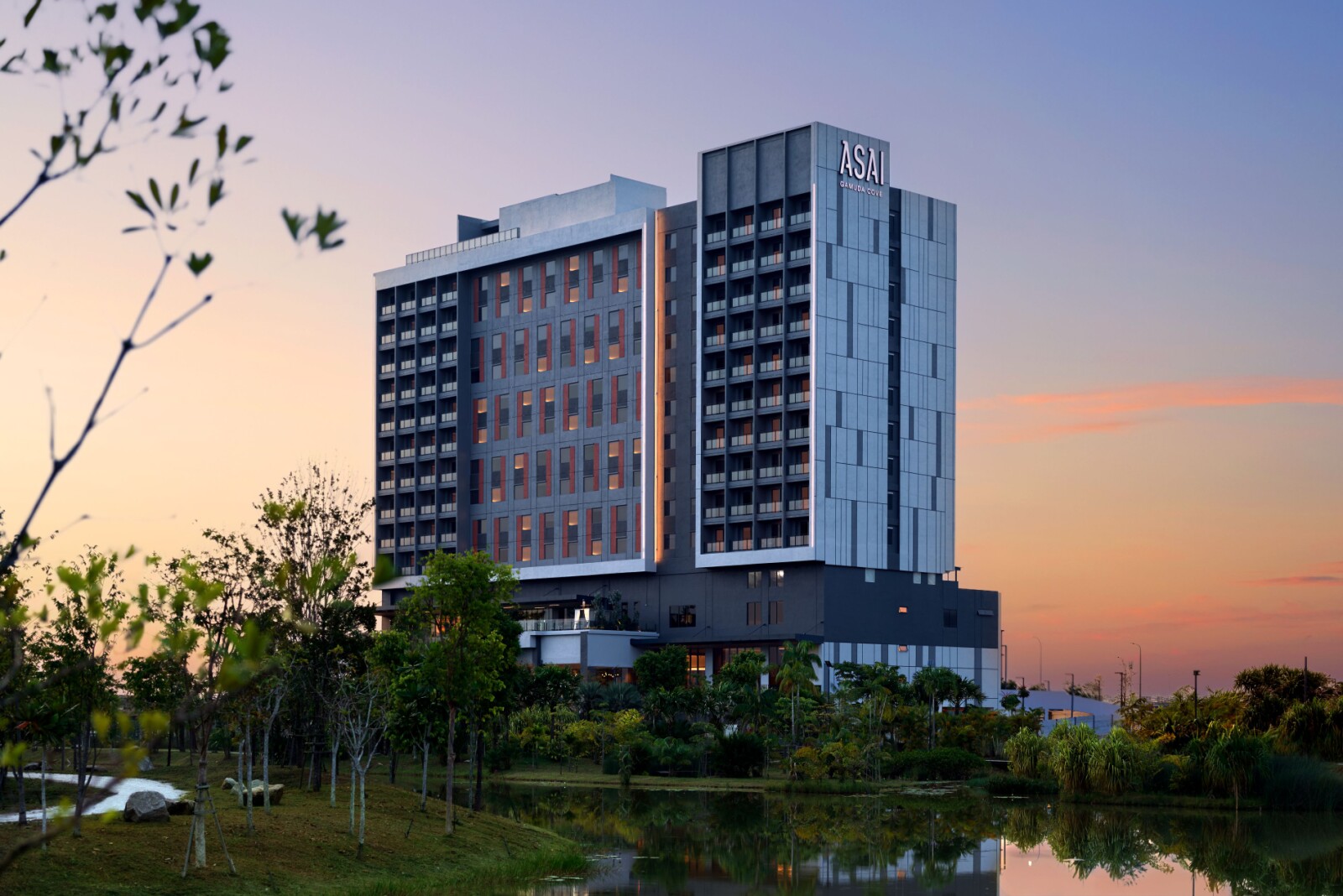
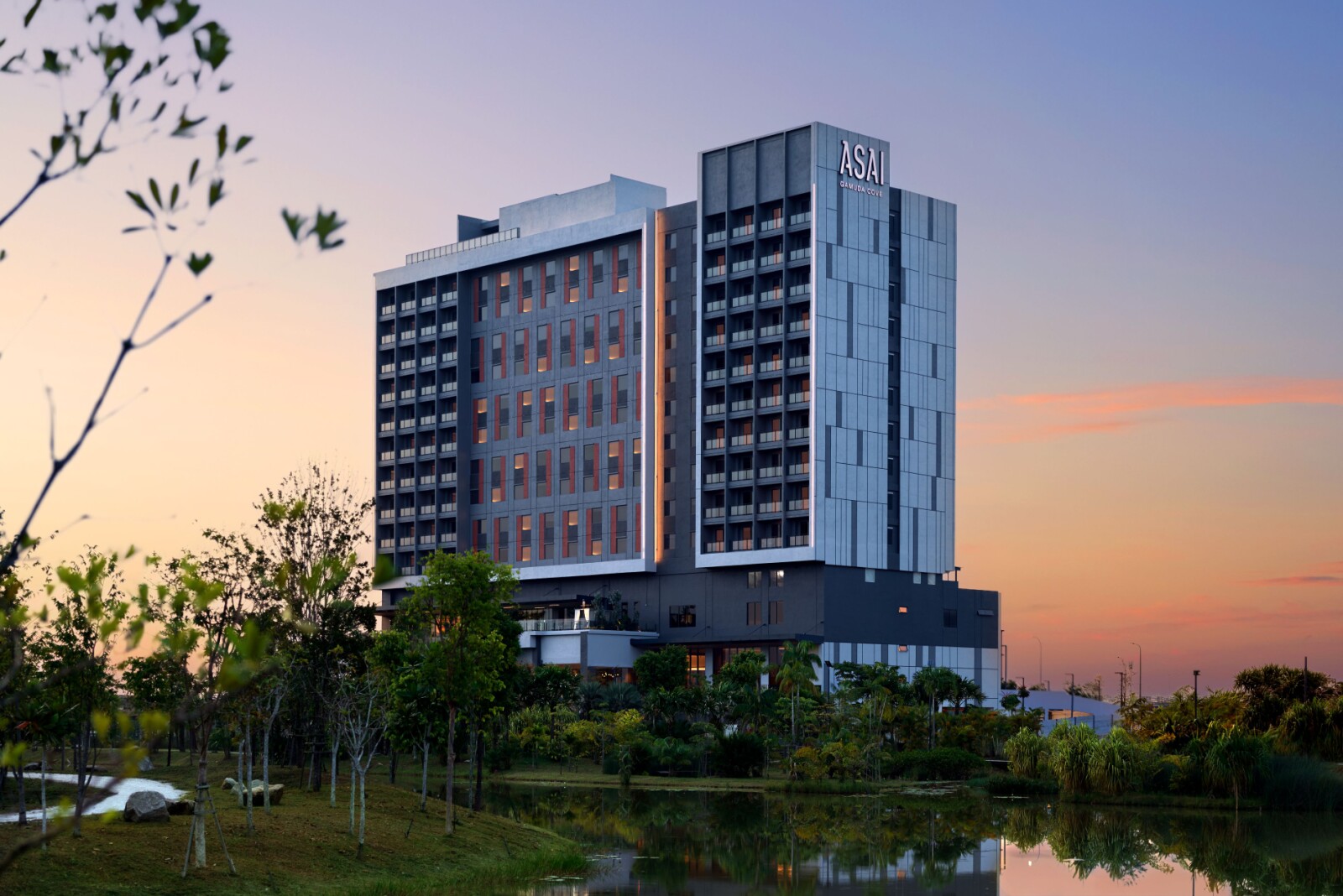
Dusit Hadirkan ASAI Hotels di Malaysia melalui Pembukaan ASAI Gamuda Cove - Properti Terbesar Merek Ini hingga Saat Ini

-

-

-

-
 Jumat, 21 Agustus 2026 | 01:59
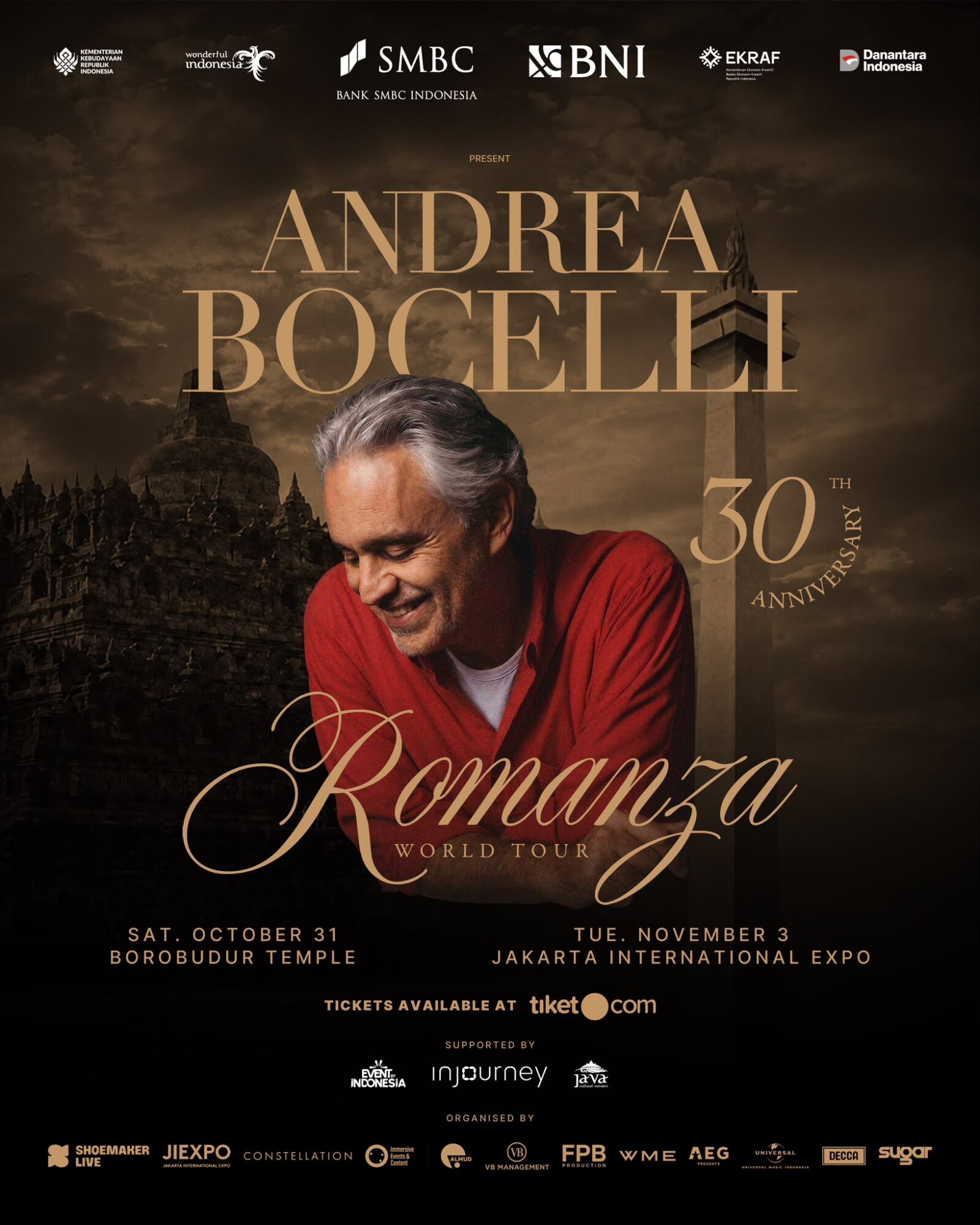
Andrea Bocelli Merayakan Tur Peringatan 30 Tahun Romanza dengan Dua Konser Spektakuler di Indonesia
-
 Jumat, 21 Agustus 2026 | 15:05
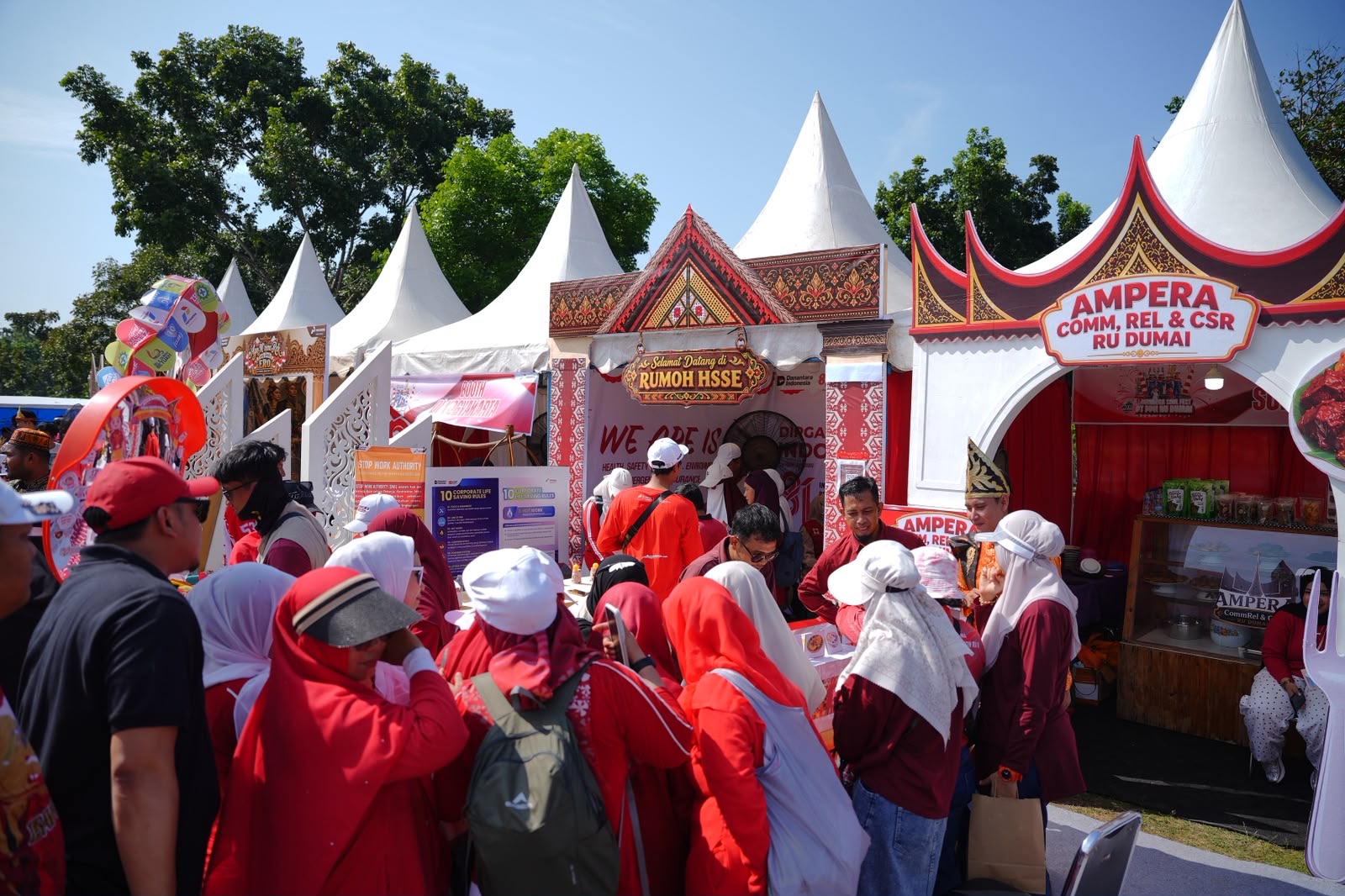
Pertamina Patra Niaga Kilang Dumai Maknai Kemerdekaan HUT Ke-81 RI dengan Inovasi dan Semangat Kebersamaan
-