Menu Website

- Home
- MediaOutReach
- Vinhomes Strengthens Its Position at the Forefront of Smart City Development

Vinhomes Strengthens Its Position at the Forefront of Smart City Development
Rabu, 26 Agustus 2026 | 21:28
Link berita berhasil disalin!
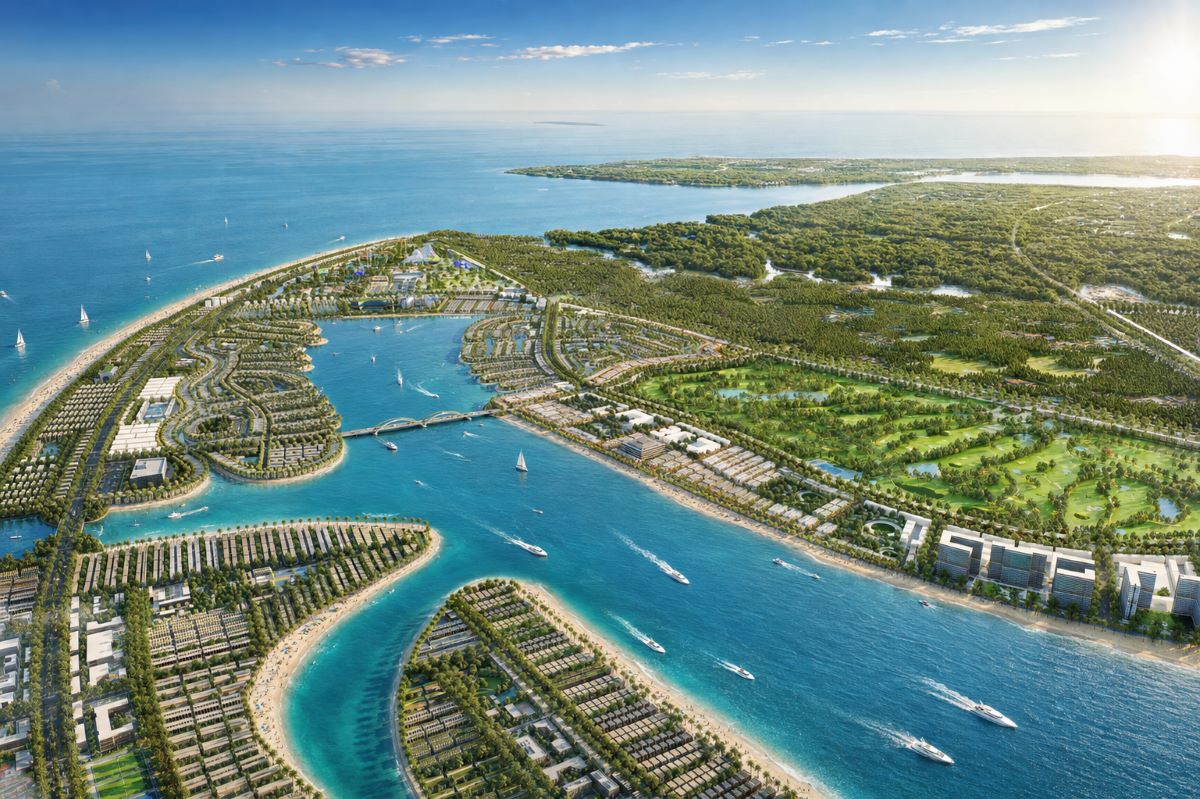
An aerial master plan of Vinhomes Green Paradise in Can Gio, the world's first greenfield project to achieve early-stage ISO 37122 Smart City Certification from the World Council on City Data.
Project integrates UNESCO-recognized Can Gio mangrove forest as core climate infrastructure, expanding ESG to include Regeneration and Climate Adaptation
HANOI, VIETNAM - Media OutReach Newswire - 26 August 2026 - Vinhomes Green Paradise, the 2,870-hectare coastal urban development in Can Gio, has become the first greenfield project worldwide to receive the Interim Custom ISO 37122 Smart City Certification from the World Council on City Data (WCCD), even before the arrival of its first residents.The milestone reinforces Vinhomes' pioneering "ESG++" model for the project, a framework that moves beyond traditional environmental, social and governance pillars to explicitly incorporate Regeneration and Climate Adaptation as core design principles.
By placing the adjacent UNESCO-recognized Cần Giờ Mangrove Biosphere Reserve at the center of its urban strategy, rather than treating it as peripheral landscape, Vinhomes is demonstrating that large-scale coastal development can simultaneously address biodiversity loss, carbon sequestration and long-term climate resilience.
A measured response to the global urban health crisis
The urgency of rethinking urban models is underscored by global health data. According to the Health Effects Institute's State of Global Air 2025 report, air pollution was linked to 8.1 million deaths worldwide in 2021, overtaking tobacco to become the second-leading global risk factor for death and the leading cause of death for children under five after malnutrition. The World Health Organization estimates that approximately 89% of the 4.2 million annual premature deaths attributed to outdoor air pollution occur in low- and middle-income countries, precisely the regions experiencing the fastest urban growth.
This reality has redirected global capital flows. Grand View Research projects the global smart-city market to reach USD 3.76 trillion by 2030, compounding at nearly 30% annually, one of the fastest expansion rates across any industry sector. In this context, the question is no longer whether smart cities are worth building, but which developments can demonstrate independently verifiable performance.
Vinhomes Green Paradise has addressed this global benchmark through its Interim Custom ISO 37122 Smart City Certification, awarded by the World Council on City Data (WCCD), which validates its smart infrastructure and data-driven urban governance against international standards.
Moving beyond conventional standards, the project operates under an elevated philosophy known as ESG++, integrating two commitments that extend well past standard corporate reporting: Regeneration and Climate Adaptation. Under the pillar of Regeneration, the development goes beyond traditional conservation by actively restoring local coastal ecosystems through targeted mangrove reforestation, biodiversity preservation and community environmental education.
Concurrently, its Climate Adaptation strategy re-engineers urban infrastructure to proactively withstand long-term environmental hazards such as sea-level rise, storm surges and coastal erosion, ensuring the city is built for future resilience rather than simply reacting to present conditions.
Community perspectives reflect the broader appeal of this approach. Ho Chi Minh City-based content creator FABO Nguyen, speaking to CNBC, described his affection for the city's dynamism alongside growing concerns about air quality and congestion. For him, and for many urban residents weighing similar trade-offs, the Vinhomes Green Paradise model offers a forward-looking alternative that does not require leaving the region, but instead redefines what a sustainable, livable urban environment can look like.
Mangrove forests as climate infrastructure
What sets Vinhomes Green Paradise apart from most coastal megaprojects globally is not merely its size, but its ecological adjacency. The development borders the Can Gio Mangrove Biosphere Reserve, a UNESCO-recognized site spanning over 75,000 hectares, one of southern Vietnam's most valuable natural assets.
Recent scientific research has revalued the role of mangroves in climate regulation. A study published in Nature Communications indicates that while mangroves account for just 0.36% of global forest area, they sequester carbon per hectare at nearly four times the rate of mature terrestrial forests, making them among the most efficient natural carbon sinks on Earth. According to the Blue Carbon Initiative, a single hectare of mangrove forest can store carbon equivalent to approximately 1,500 tons of CO₂, a figure no concrete structure can replicate.
Against a backdrop where global mangrove cover has declined by as much as 67% in some estimates, Vinhomes has adopted a preservation-first strategy. The Vinhomes Green Paradise master plan limits building density to just 16% of the total area and establishes a dedicated Forest Regeneration and Climate Adaptation Fund. These measures treat the adjacent mangrove ecosystem not as passive scenery but as active, natural defensive infrastructure against coastal erosion and storm surges, precisely the approach that climate scientists are urging coastal cities worldwide to adopt.
This ecological commitment aligns with measurable economic value. JLL's research across Asia Pacific, based on an analysis of nearly 3,100 Grade A office buildings in 14 cities, shows that green-certified buildings can command rental premiums as high as 28% over non-certified equivalents in the region's tightest markets, with supply continuing to lag behind occupier demand. Sustainability, in other words, has ceased to be simply a virtue and has become a measurable asset class.
Similarly, the global energy transition reinforces the viability of Vinhomes Green Paradise's renewable-energy targets. The Global Wind Energy Council forecasts offshore wind capacity to nearly triple from 83 GW in 2024 to approximately 238 GW by 2030, while the International Energy Agency projects global renewable capacity to grow by 4,600 GW over the same period, equivalent to adding the combined current generation capacity of China, the European Union and Japan. Against this backdrop, Vinhomes Green Paradise's ambition to run on offshore wind, solar and battery storage reflects a broader global trajectory rather than an isolated pledge.
A blueprint for 21st-century urbanization
Taken together, the ISO 37122 certification, the ESG++ framework, the strategic integration of the Can Gio mangrove ecosystem and the economic revaluation of green assets, Vinhomes Green Paradise presents a coherent response to a defining question in contemporary real estate: how to build cities that are both worth living in and built to endure.
The project's recognition as the first Official Participant in New7Wonders' global "7 Wonders of Future Cities" campaign further underscores its international relevance. Vinhomes Green Paradise serves as a notable reference point for coastal urban development, illustrating how economic growth and ecological preservation can be integrated in regional contexts.
📢 Publisir Berita & Kegiatan Instansi Anda di RiauGreen
Jangkau pembaca luas & terindeks Google News. Pilih paket rilis pers, advertorial, atau kemitraan media.
BERITA LAINNYA

Rabu, 26 Agustus 2026 | 21:28
Rabu, 26 Agustus 2026 | 21:28
Rabu, 26 Agustus 2026 | 21:26

Rabu, 26 Agustus 2026 | 21:24
Rabu, 26 Agustus 2026 | 21:23
Rabu, 26 Agustus 2026 | 21:22

Rabu, 26 Agustus 2026 | 21:21

Rabu, 26 Agustus 2026 | 21:20
Rabu, 26 Agustus 2026 | 15:24
Rabu, 26 Agustus 2026 | 15:22
BERIKAN KOMENTAR

-

-
 Rabu, 26 Agustus 2026 | 23:03
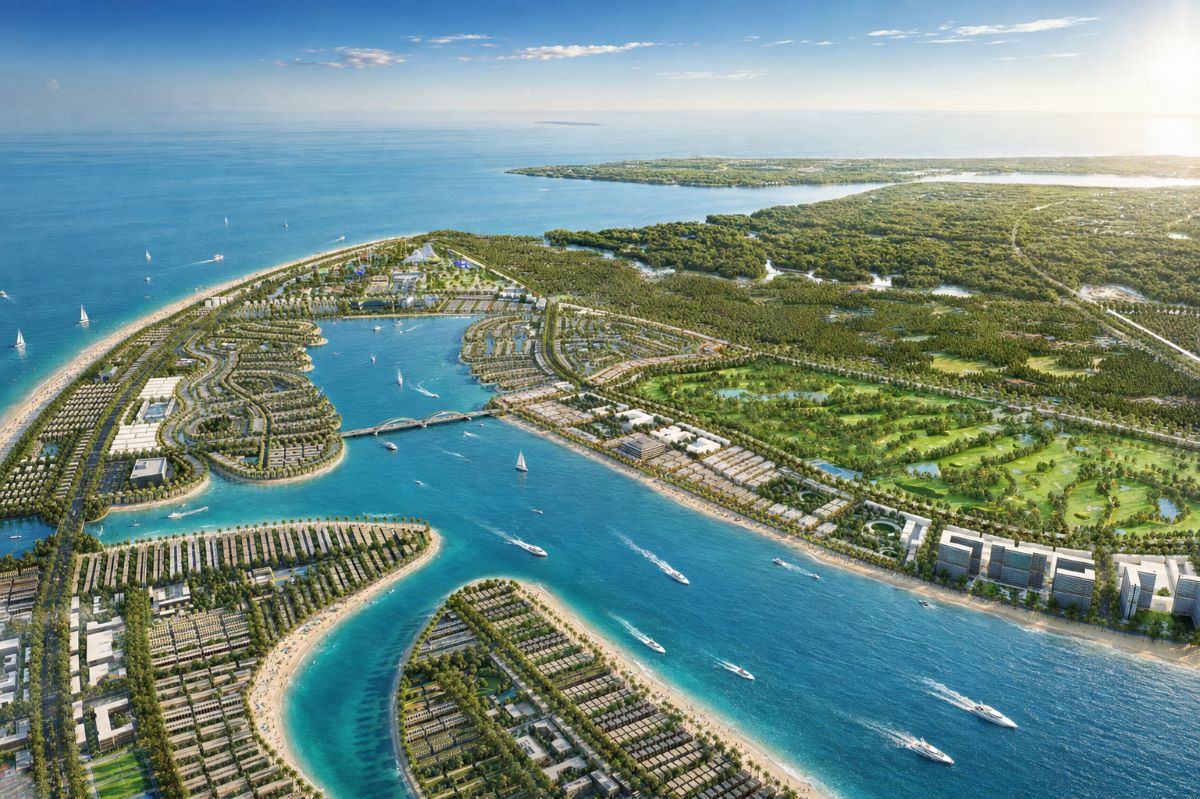
Vinhomes Memperkuat Posisinya sebagai Pelopor Pengembangan Kota Pintar
-
 Rabu, 26 Agustus 2026 | 23:02
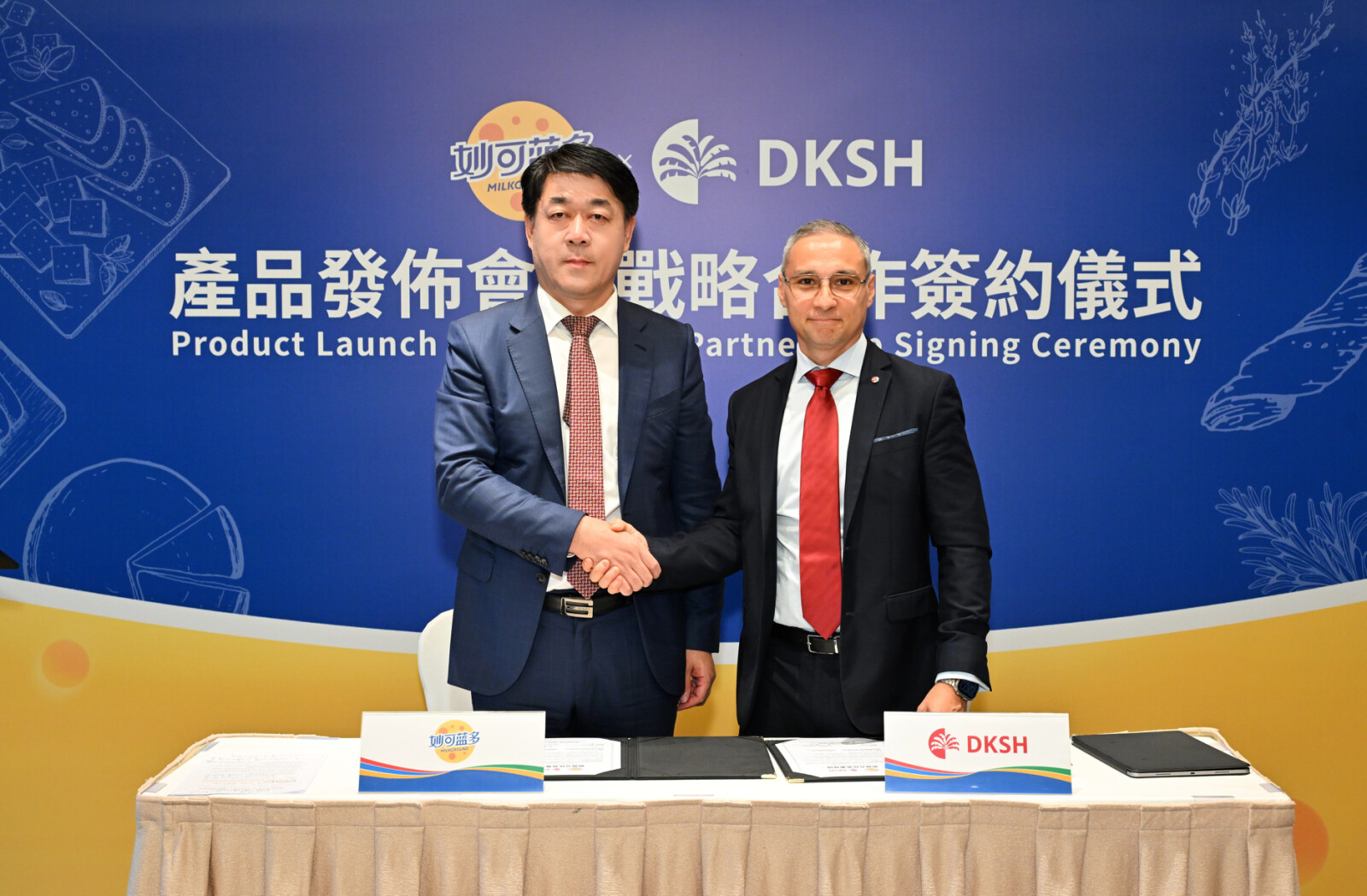
Milkground dan DKSH Hong Kong Umumkan Kemitraan Strategis untuk Menghadirkan Produk Keju ke Hong Kong
-
 Rabu, 26 Agustus 2026 | 23:01
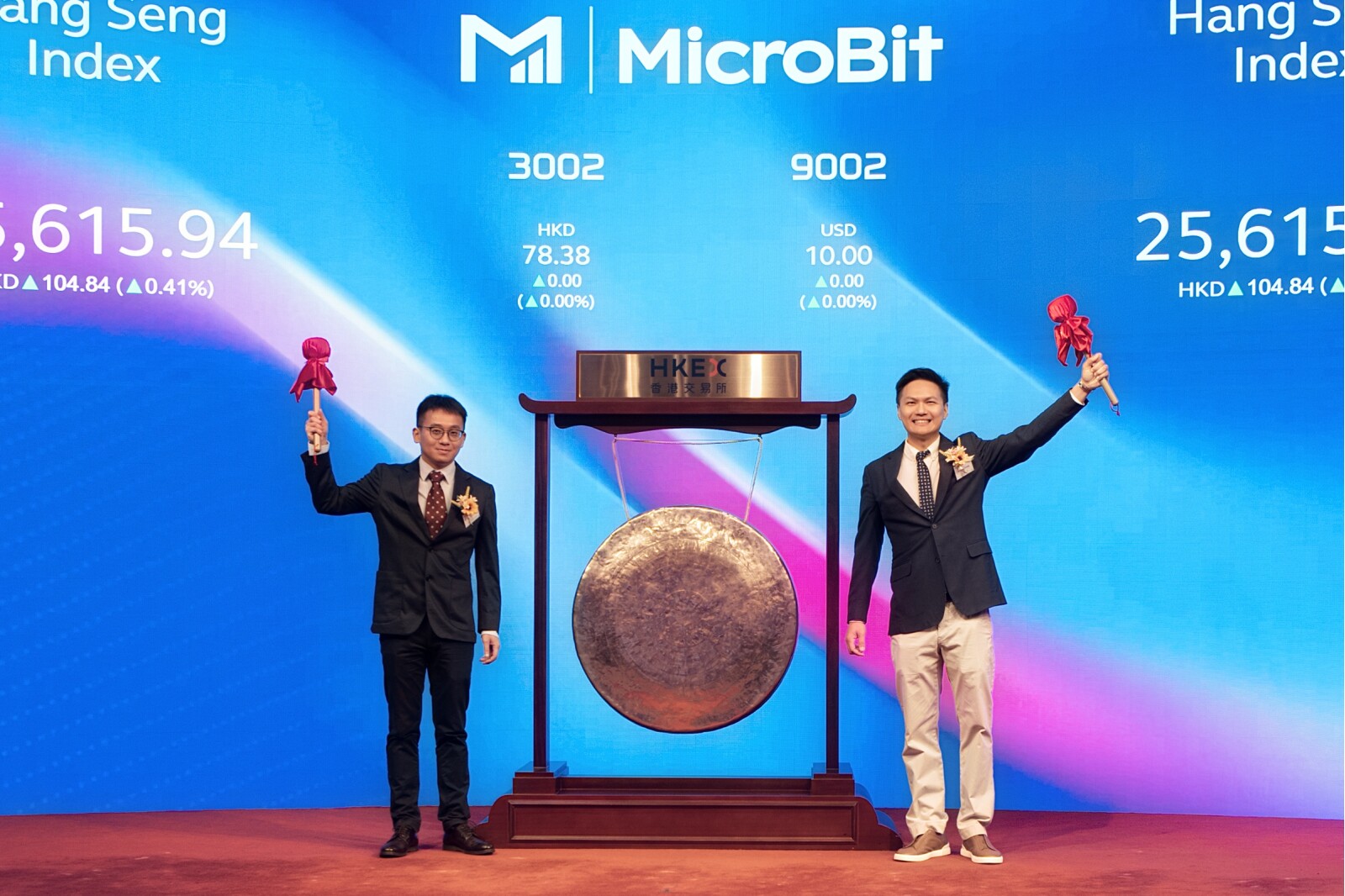
MicroBit Luncurkan ETF Bitcoin dan Emas Pertama di Hong Kong di HKEX Hari Ini
-

-
 Rabu, 26 Agustus 2026 | 23:00
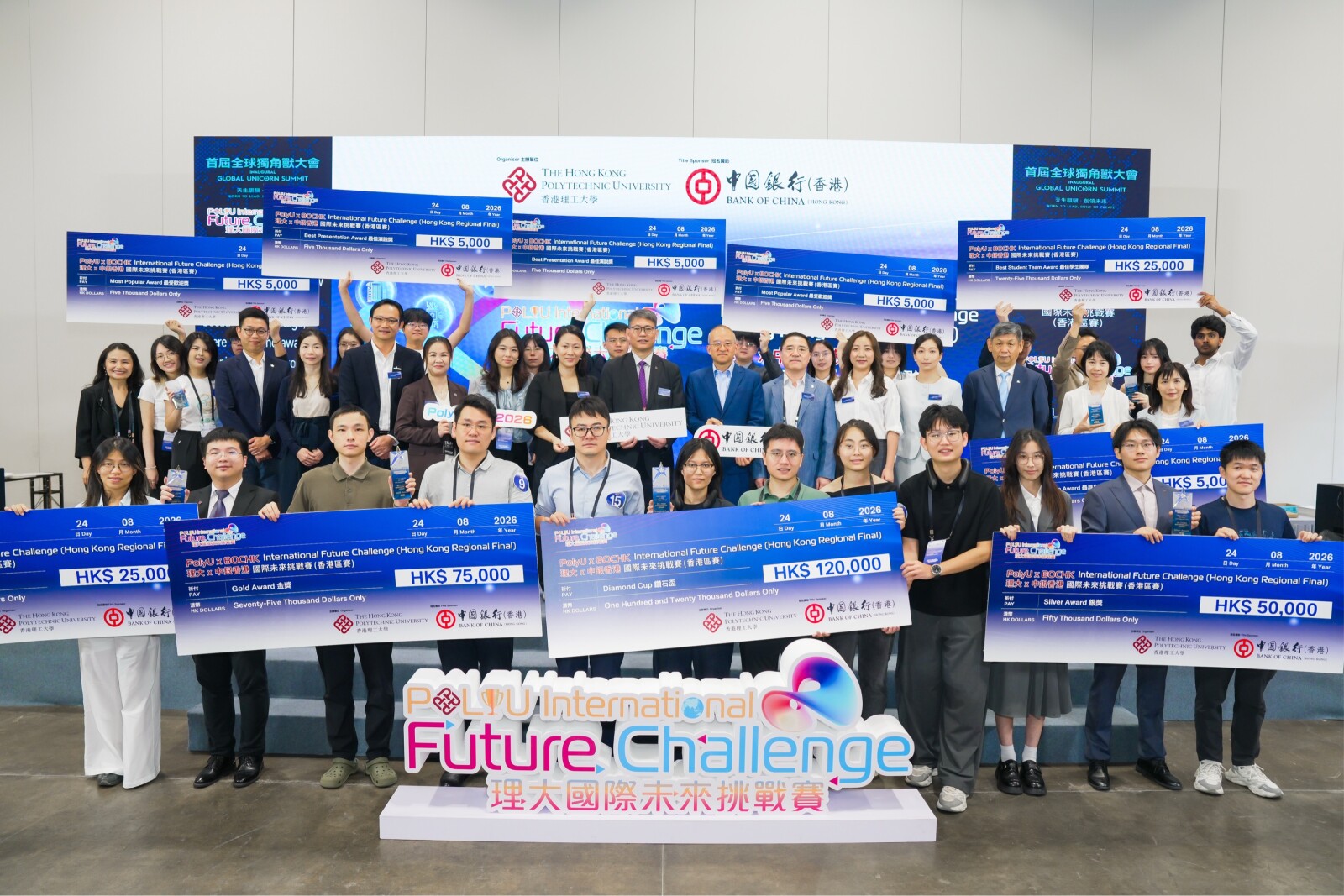
PolyU x BOCHK International Future Challenge (Hong Kong): Empat Tim Terbaik Siap Unjuk Gigi di Global Unicorn Summit

-
-
 Kamis, 20 Agustus 2026 | 10:44
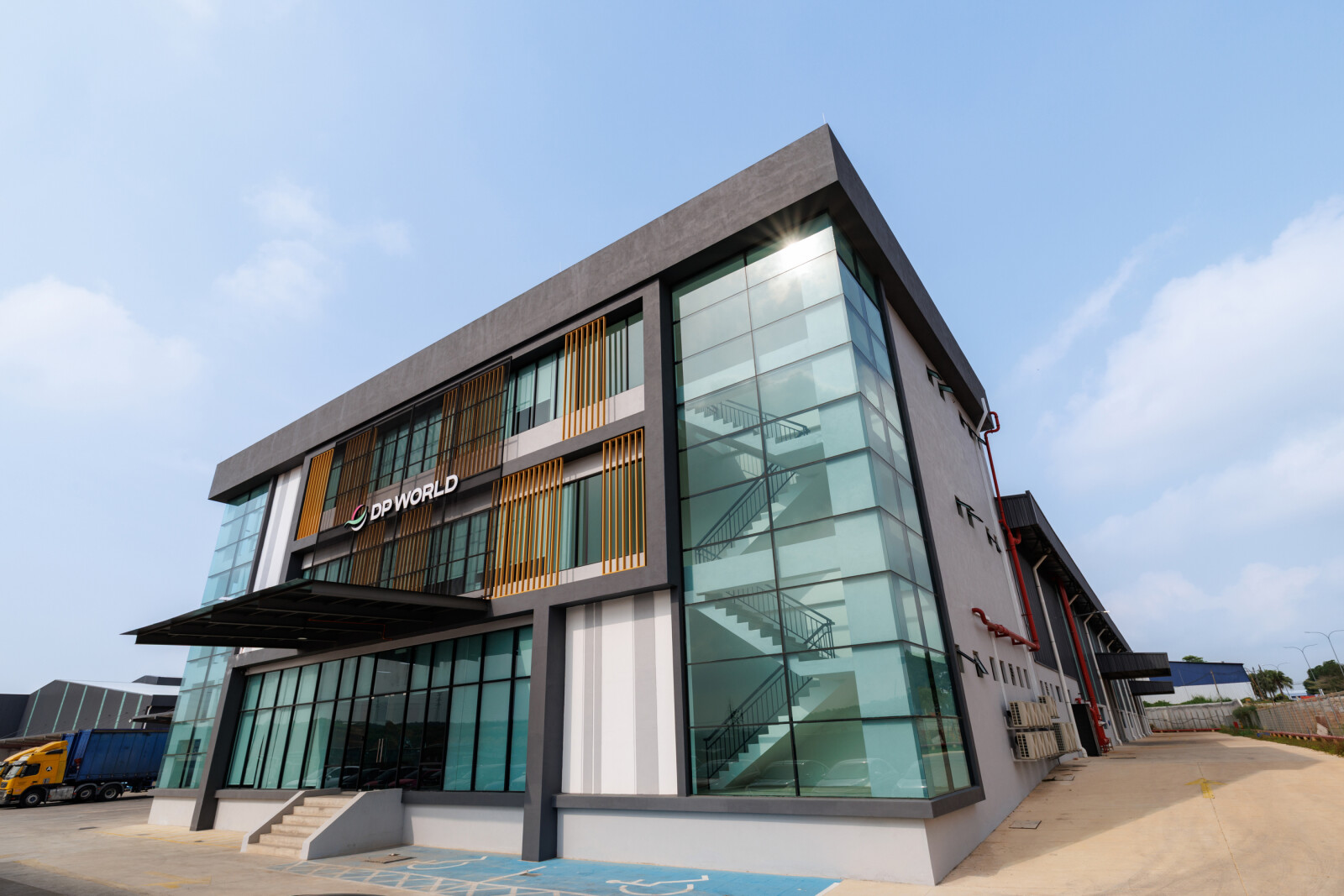
DP World Accelerates Contract Logistics Expansion Across Southeast Asia with New Warehouse in Malaysia
-

-
 Jumat, 21 Agustus 2026 | 01:59
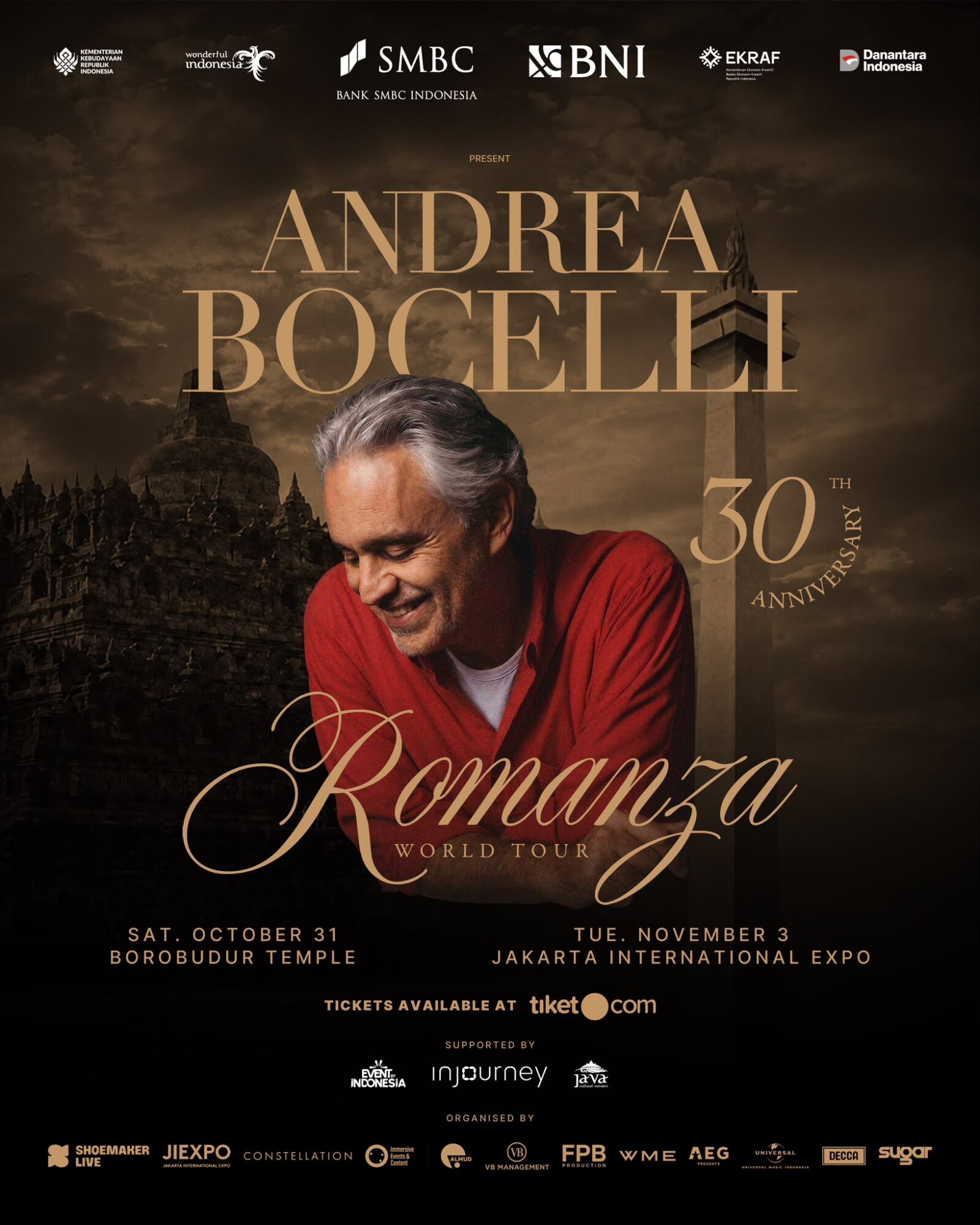
Andrea Bocelli Merayakan Tur Peringatan 30 Tahun Romanza dengan Dua Konser Spektakuler di Indonesia
-

-