Menu Website

- Home
- MediaOutReach
- Pokrovsky Carbon Polygon Ready to Transfer Technologies to Mongolia

Pokrovsky Carbon Polygon Ready to Transfer Technologies to Mongolia
Sabtu, 29 Agustus 2026 | 08:18
Link berita berhasil disalin!
ULAANBAATAR, MONGOLIA -
Media OutReach Newswire
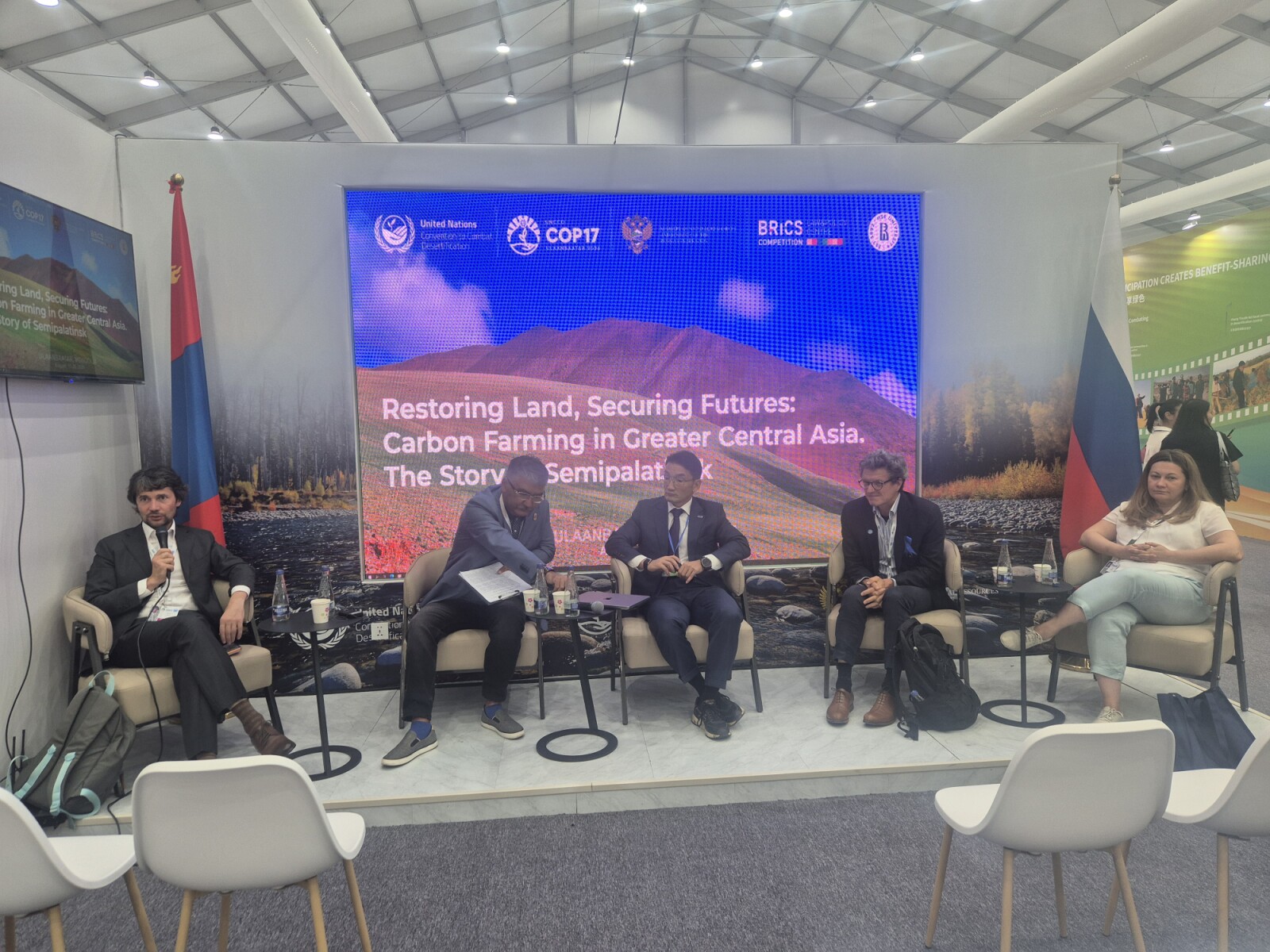
- 28 August 2026 - The team of the Pokrovsky Carbon Polygon has
announced its readiness to transfer its carbon monitoring and carbon
farming technologies to Mongolian partners following its participation
in UNCCD COP17, the 17th session of the Conference of the Parties to the
United Nations Convention to Combat Desertification, held in
Ulaanbaatar, Mongolia, on August 17-28, 2026.
Carbon polygons are a pilot initiative of the Russian Ministry of Science and Higher Education. These specialized testing sites are located in non-urbanized areas and are designed to develop and test technologies for measuring, monitoring and verifying greenhouse gas emissions and carbon sequestration.
Located in Russia's Kaluga Region, the Pokrovsky Carbon Polygon is unique for the diversity of ecosystems within its territory, including forest, meadow and aquatic ecosystems. Its key focus is the development of measurement, reporting and verification (MRV) systems for rangeland, desert and meadow ecosystems.
The polygon's main areas of work include measuring the carbon-sequestration capacity of soils under plantations of perennial grasses and developing a digital twin of the territory. The system combines a highly accurate, georeferenced terrain model with mathematical models based on satellite, UAV, LiDAR, multispectral and hyperspectral data, as well as ground-based measurements of soil composition, soil carbon accumulation, soil respiration and CO₂ fluxes. These models already enable forecasts of carbon sequestration across different agroecosystems.
The technologies developed at Pokrovsky are particularly relevant to Mongolia, where natural rangelands occupy around 70% of the country's territory and underpin livestock production, rural employment and food security. At the same time, rangeland degradation is widespread, with poorly managed grazing contributing to declining vegetation, soil stability, forage quality and drought resilience.
However, many Mongolian rangelands retain significant recovery potential. The 2015 national assessment found that more than half of the country's rangelands could recover or move toward recovery within ten years if grazing management improved. These findings are reflected in the joint study by IIASA, UNCCD and the BRICS Competition Centre, Feasibility Study on the Prospects for Carbon Farming Solutions in Greater Central Asia, presented at COP17 on August 22.
Alexey Ivanov, Director of the BRICS Competition Centre and Head of the Pokrovsky Carbon Polygon project, said:
"The growing relevance of carbon farming stems from the fact that it is one of the few ways to reduce environmental impact without the need to curtail economic activity and, consequently, without creating socio-economic risks. Within the next few years, carbon projects, including those in Mongolia, will be able to trade on Chinese exchanges, and we need to be prepared for this. The technologies being developed at Pokrovsky are already in high demand among our colleagues in Kazakhstan, and we see significant potential for expanding cooperation with countries across the so-called Asian Drylands Belt."
He added:
"The underutilized, aggravated endowments of Mongolia's rangelands can be transformed into a valuable asset as a high-capacity carbon sink through functional carbon farming practices."
The Pokrovsky Carbon Polygon sees the transfer of its technologies to Mongolia as a potential starting point for long-term cooperation in carbon monitoring, rangeland restoration and carbon farming across the Asian Drylands Belt.
Carbon polygons are a pilot initiative of the Russian Ministry of Science and Higher Education. These specialized testing sites are located in non-urbanized areas and are designed to develop and test technologies for measuring, monitoring and verifying greenhouse gas emissions and carbon sequestration.
Located in Russia's Kaluga Region, the Pokrovsky Carbon Polygon is unique for the diversity of ecosystems within its territory, including forest, meadow and aquatic ecosystems. Its key focus is the development of measurement, reporting and verification (MRV) systems for rangeland, desert and meadow ecosystems.
The polygon's main areas of work include measuring the carbon-sequestration capacity of soils under plantations of perennial grasses and developing a digital twin of the territory. The system combines a highly accurate, georeferenced terrain model with mathematical models based on satellite, UAV, LiDAR, multispectral and hyperspectral data, as well as ground-based measurements of soil composition, soil carbon accumulation, soil respiration and CO₂ fluxes. These models already enable forecasts of carbon sequestration across different agroecosystems.
The technologies developed at Pokrovsky are particularly relevant to Mongolia, where natural rangelands occupy around 70% of the country's territory and underpin livestock production, rural employment and food security. At the same time, rangeland degradation is widespread, with poorly managed grazing contributing to declining vegetation, soil stability, forage quality and drought resilience.
However, many Mongolian rangelands retain significant recovery potential. The 2015 national assessment found that more than half of the country's rangelands could recover or move toward recovery within ten years if grazing management improved. These findings are reflected in the joint study by IIASA, UNCCD and the BRICS Competition Centre, Feasibility Study on the Prospects for Carbon Farming Solutions in Greater Central Asia, presented at COP17 on August 22.
Alexey Ivanov, Director of the BRICS Competition Centre and Head of the Pokrovsky Carbon Polygon project, said:
"The growing relevance of carbon farming stems from the fact that it is one of the few ways to reduce environmental impact without the need to curtail economic activity and, consequently, without creating socio-economic risks. Within the next few years, carbon projects, including those in Mongolia, will be able to trade on Chinese exchanges, and we need to be prepared for this. The technologies being developed at Pokrovsky are already in high demand among our colleagues in Kazakhstan, and we see significant potential for expanding cooperation with countries across the so-called Asian Drylands Belt."
He added:
"The underutilized, aggravated endowments of Mongolia's rangelands can be transformed into a valuable asset as a high-capacity carbon sink through functional carbon farming practices."
The Pokrovsky Carbon Polygon sees the transfer of its technologies to Mongolia as a potential starting point for long-term cooperation in carbon monitoring, rangeland restoration and carbon farming across the Asian Drylands Belt.
📢 Publisir Berita & Kegiatan Instansi Anda di RiauGreen
Jangkau pembaca luas & terindeks Google News. Pilih paket rilis pers, advertorial, atau kemitraan media.
BERITA LAINNYA
Sabtu, 29 Agustus 2026 | 08:31
Sabtu, 29 Agustus 2026 | 08:30
Sabtu, 29 Agustus 2026 | 08:30

Sabtu, 29 Agustus 2026 | 08:28

Sabtu, 29 Agustus 2026 | 08:27

Sabtu, 29 Agustus 2026 | 08:25

Sabtu, 29 Agustus 2026 | 08:21

Sabtu, 29 Agustus 2026 | 08:19

Sabtu, 29 Agustus 2026 | 08:18
BERIKAN KOMENTAR


-
-
-
Sabtu, 29 Agustus 2026 | 08:30
International Entertainment Corporation's FY2025/26 Interim Revenue Increases by 50.6% to HK$852.5 Million
-
-
Sabtu, 29 Agustus 2026 | 08:28
Get Orders Today with Super-Charged Delivery at Shopee's 9.9 Super Shopping Day Sale
-
Sabtu, 29 Agustus 2026 | 08:27
Hizero Spells the End of the Vacuum Era With a Full Portfolio of No-Suction™ Hard-Surface Cleaners at IFA 2026

-

-
 Senin, 24 Agustus 2026 | 22:07
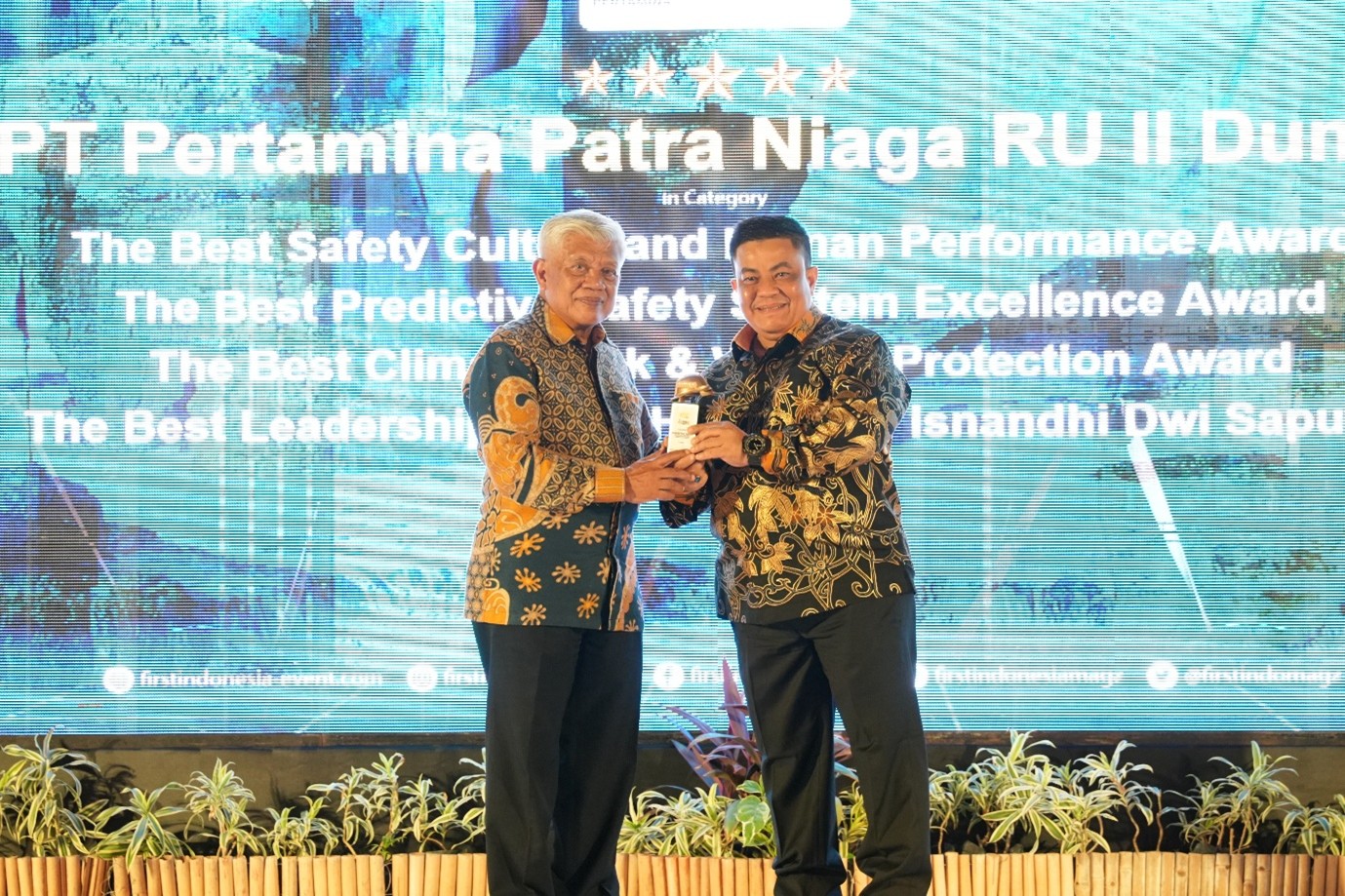
Pertamina Patra Niaga Raih Predikat Bintang 5 dan Boyong Penghargaan di Ajang ISEA 2026
-
 Sabtu, 22 Agustus 2026 | 09:29
TDCX Buka Kampus Kedua di Hyderabad, Perkuat Posisi India sebagai Hub Utama Layanan Global
-
 Selasa, 25 Agustus 2026 | 20:10
Duiba Group Announces Rapid Scaling of AI Short Drama Business and Significant AI Technology-Driven Revenue Growth
-
 Selasa, 25 Agustus 2026 | 20:09
HIS Implementasikan B50, Perkuat Komitmen Mendukung Ketahanan Energi Indonesia