Menu Website

- Home
- MediaOutReach
- Micro Credentials Reshaping Learning While Degrees Remain Relevant

Micro Credentials Reshaping Learning While Degrees Remain Relevant
Rabu, 06 Mei 2026 | 09:06
Link berita berhasil disalin!

SINGAPORE -
Media OutReach Newswire
- 6 May 2026 - As global education systems evolve to meet rapidly
changing workforce demands, micro credentials are gaining traction as a
flexible complement to traditional degrees rather than a replacement,
according to international policy bodies and education experts. Micro
credentials, defined by the European Union as certifications of
"learning outcomes of short-term learning experiences," are designed to
provide targeted, skills-based learning in a shorter timeframe.
Meanwhile, UNESCO notes that micro credentials typically focus on "a specific set of learning outcomes in a narrow field" and are achieved over a shorter period compared to traditional qualifications such as degrees. The Organisation for Economic Cooperation and Development OECD further highlight their growing role in supporting lifelong learning and employability, particularly as individuals seek to upskill and reskill in response to labour market changes.
Complementary, Not Competing Pathways
While micro credentials are often positioned as an alternative to degrees, global evidence suggests that the two serve different but complementary purposes. Traditional degrees remain the primary pathway for developing broad based knowledge, critical thinking, and foundational expertise, often required for entry into professional fields. In contrast, micro credentials offer targeted, flexible learning that can address specific skills gaps at different career stages.
International frameworks increasingly emphasise this complementary role. European policy discussions describe micro credentials as part of flexible learning pathways that can be stacked or combined with larger qualifications, enabling more personalised education journeys.
Relevance to Singapore's Lifelong Learning Agenda
In Singapore, the emphasis on lifelong learning driven by national initiatives such as SkillsFuture aligns with global developments in modular and flexible education pathways. This approach reflects a growing recognition that learning does not end with a degree, and that individuals increasingly require ongoing access to short form, skills-based education throughout their careers.
Institutions such as the Singapore Institute of Management (SIM) illustrate how this shift is being operationalised in practice. With a stated commitment to lifelong learning embedded in its education model, SIM supports learners across different life stages, from pre-employment education to professional and continuing education.
SIM offers more than 140 academic programmes in partnership with international universities, alongside a wide range of professional short courses and micro credentials. This enables learners to combine foundational degree education with targeted skills development, reflecting the growing adoption of stackable and modular learning pathways.
The institution supports approximately 17,000 students annually and has a network of close to 200,000 graduates, positioning it as a significant player in Singapore's education and lifelong learning ecosystem. Learning is delivered through a mix of in person, online and blended formats, providing flexibility for both full time students and working professionals to upskill and reskill in response to changing industry demands.
Implications for Students and Employer
For students, micro credentials offer greater flexibility across different stages of learning and career development. Undergraduates can explore areas of interest beyond their primary discipline through short form learning, while fresh graduates can supplement academic knowledge with job relevant skills to improve employability. Mid-career professionals are also able to reskill or pivot into new roles without committing to full time study.
For employers, this shift highlights the need to evaluate both foundational and applied capabilities. Degrees continue to signal broad based knowledge, critical thinking and discipline, while micro credentials provide evidence of current, job specific skills. Taken together, these credentials offer a more complete view of an individual's readiness and adaptability in a rapidly changing workforce.
A Shift Toward Stackable Learning
The future of education is increasingly defined by a stackable and modular approach, where degrees and micro credentials are combined to support continuous learning. Degrees provide the foundational knowledge and academic grounding, while micro credentials enable targeted skills development that can be applied in real time. This approach underscores a broader transition from one time qualification attainment to lifelong capability building, where learning is continuous, adaptable and aligned with changing workforce needs.
References:
https://www.sim.edu.sg/
Meanwhile, UNESCO notes that micro credentials typically focus on "a specific set of learning outcomes in a narrow field" and are achieved over a shorter period compared to traditional qualifications such as degrees. The Organisation for Economic Cooperation and Development OECD further highlight their growing role in supporting lifelong learning and employability, particularly as individuals seek to upskill and reskill in response to labour market changes.
Complementary, Not Competing Pathways
While micro credentials are often positioned as an alternative to degrees, global evidence suggests that the two serve different but complementary purposes. Traditional degrees remain the primary pathway for developing broad based knowledge, critical thinking, and foundational expertise, often required for entry into professional fields. In contrast, micro credentials offer targeted, flexible learning that can address specific skills gaps at different career stages.
International frameworks increasingly emphasise this complementary role. European policy discussions describe micro credentials as part of flexible learning pathways that can be stacked or combined with larger qualifications, enabling more personalised education journeys.
Relevance to Singapore's Lifelong Learning Agenda
In Singapore, the emphasis on lifelong learning driven by national initiatives such as SkillsFuture aligns with global developments in modular and flexible education pathways. This approach reflects a growing recognition that learning does not end with a degree, and that individuals increasingly require ongoing access to short form, skills-based education throughout their careers.
Institutions such as the Singapore Institute of Management (SIM) illustrate how this shift is being operationalised in practice. With a stated commitment to lifelong learning embedded in its education model, SIM supports learners across different life stages, from pre-employment education to professional and continuing education.
SIM offers more than 140 academic programmes in partnership with international universities, alongside a wide range of professional short courses and micro credentials. This enables learners to combine foundational degree education with targeted skills development, reflecting the growing adoption of stackable and modular learning pathways.
The institution supports approximately 17,000 students annually and has a network of close to 200,000 graduates, positioning it as a significant player in Singapore's education and lifelong learning ecosystem. Learning is delivered through a mix of in person, online and blended formats, providing flexibility for both full time students and working professionals to upskill and reskill in response to changing industry demands.
Implications for Students and Employer
For students, micro credentials offer greater flexibility across different stages of learning and career development. Undergraduates can explore areas of interest beyond their primary discipline through short form learning, while fresh graduates can supplement academic knowledge with job relevant skills to improve employability. Mid-career professionals are also able to reskill or pivot into new roles without committing to full time study.
For employers, this shift highlights the need to evaluate both foundational and applied capabilities. Degrees continue to signal broad based knowledge, critical thinking and discipline, while micro credentials provide evidence of current, job specific skills. Taken together, these credentials offer a more complete view of an individual's readiness and adaptability in a rapidly changing workforce.
A Shift Toward Stackable Learning
The future of education is increasingly defined by a stackable and modular approach, where degrees and micro credentials are combined to support continuous learning. Degrees provide the foundational knowledge and academic grounding, while micro credentials enable targeted skills development that can be applied in real time. This approach underscores a broader transition from one time qualification attainment to lifelong capability building, where learning is continuous, adaptable and aligned with changing workforce needs.
References:
- European Commission European Education Area A European approach to micro credentials - https://education.ec.europa.eu/education-levels/higher-education/micro-credentials
- UNESCO Towards a common definition of micro credentials - https://unesdoc.unesco.org/ark:/48223/pf0000381668
- OECD Micro credentials for lifelong learning and employability - https://www.oecd.org/en/publications/micro-credentials-for-lifelong-learning-and-employability_9c4b7b68-en.html
- Skillsfuture Singapore - https://www.skillsfuture.gov.sg/
- Singapore Institute of Management – https://www.sim.edu.sg
https://www.sim.edu.sg/
📢 Publisir Berita & Kegiatan Instansi Anda di RiauGreen
Jangkau pembaca luas & terindeks Google News. Pilih paket rilis pers, advertorial, atau kemitraan media.
BERITA LAINNYA
Sabtu, 19 September 2026 | 12:32
Sabtu, 19 September 2026 | 12:31
Sabtu, 19 September 2026 | 12:30
Sabtu, 19 September 2026 | 12:29
Sabtu, 19 September 2026 | 12:28
Sabtu, 19 September 2026 | 12:24

Jumat, 18 September 2026 | 14:38
Jumat, 18 September 2026 | 14:38

Jumat, 18 September 2026 | 14:38
Jumat, 18 September 2026 | 14:37
BERIKAN KOMENTAR

-
 Minggu, 20 September 2026 | 11:53
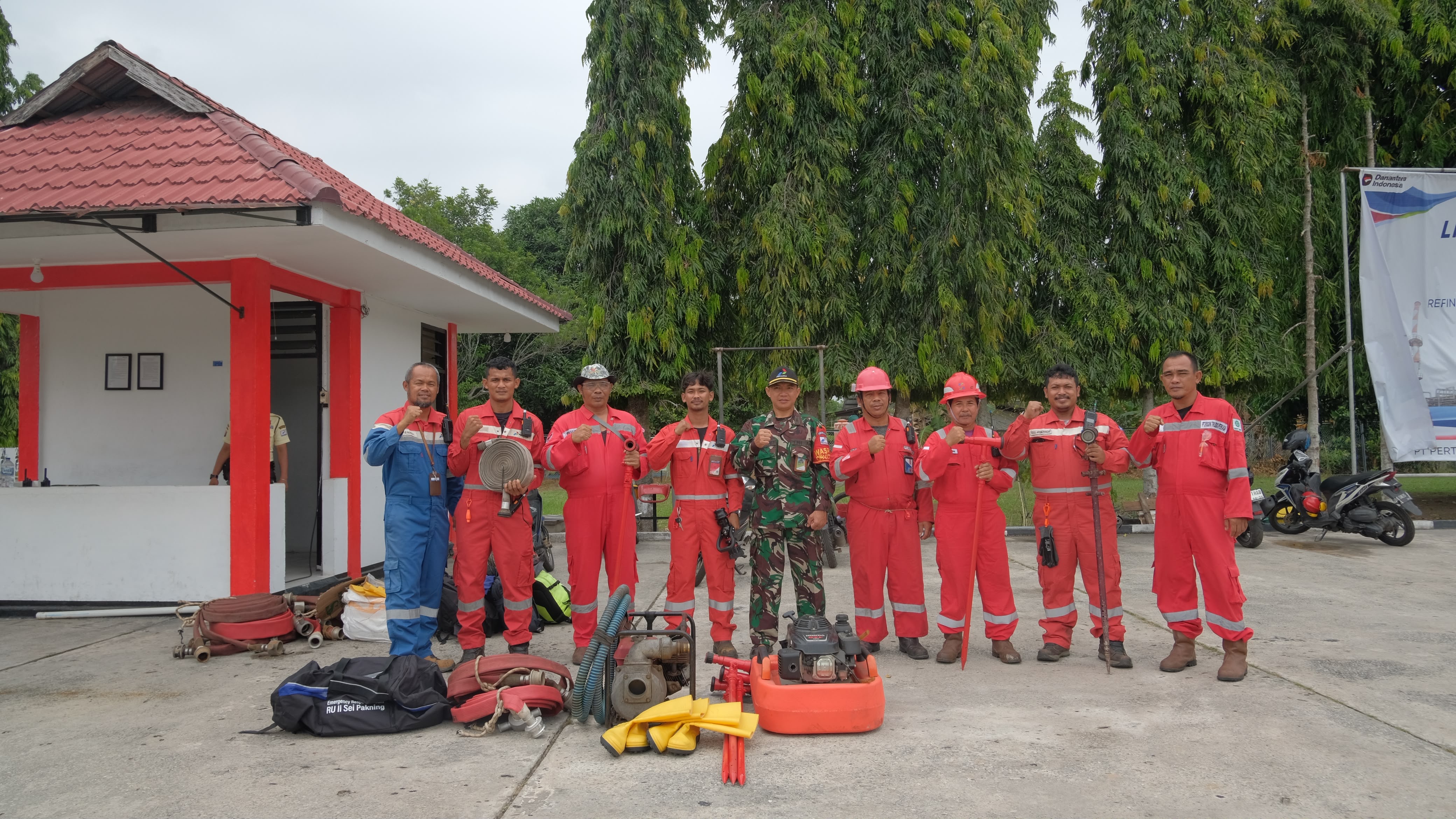
PT Pertamina Patra Niaga Unit Dumai Produksi Sungai Pakning Perkuat Kontribusi Multipihak dalam Pencegahan dan Penanganan Karhutla
-
 Minggu, 20 September 2026 | 11:48
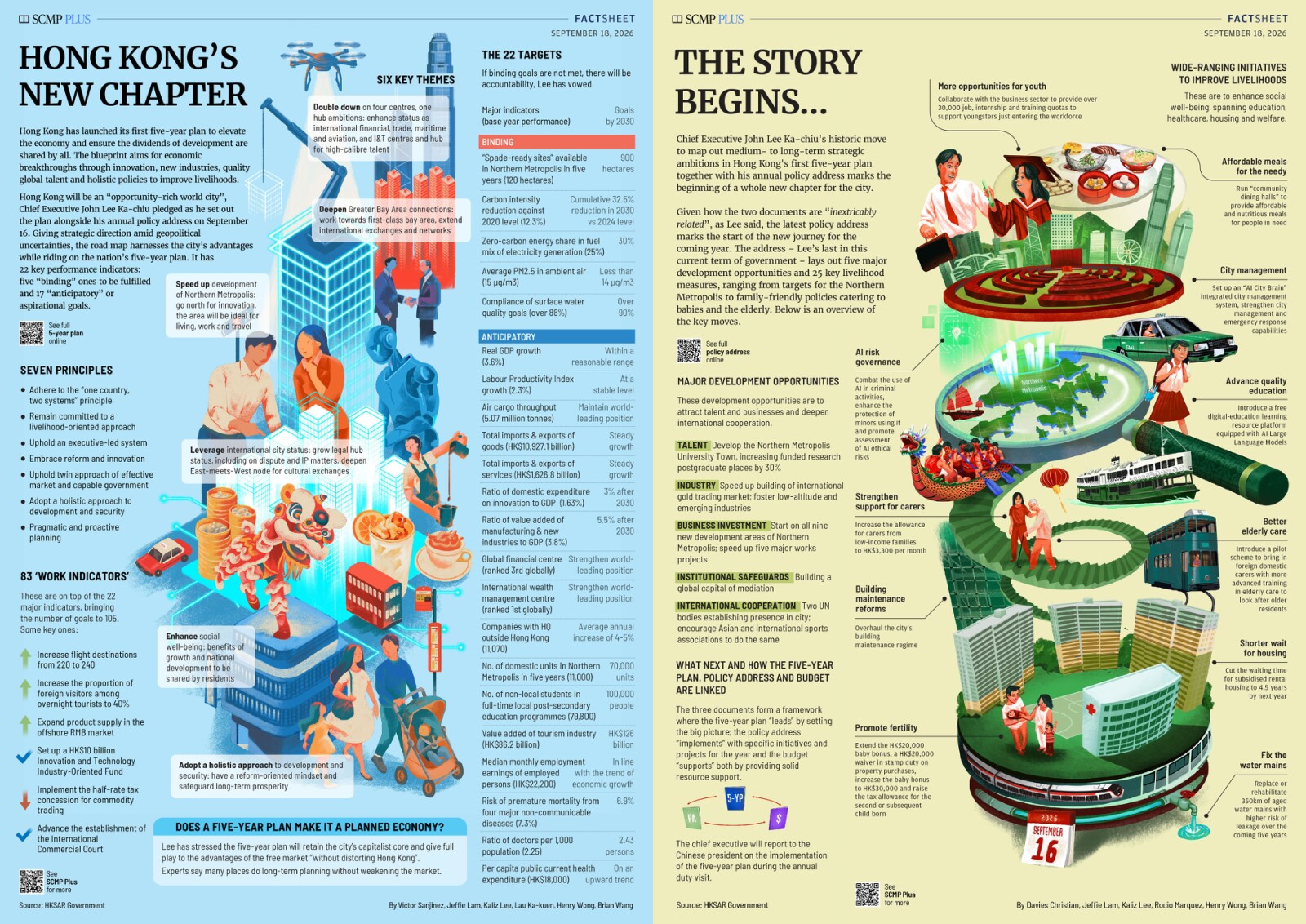
Hong Kong Luncurkan Berbagai Inisiatif untuk Menjamin Pengembangan Jangka Panjang Industri-Industri Pilar Utama
-
 Minggu, 20 September 2026 | 11:47
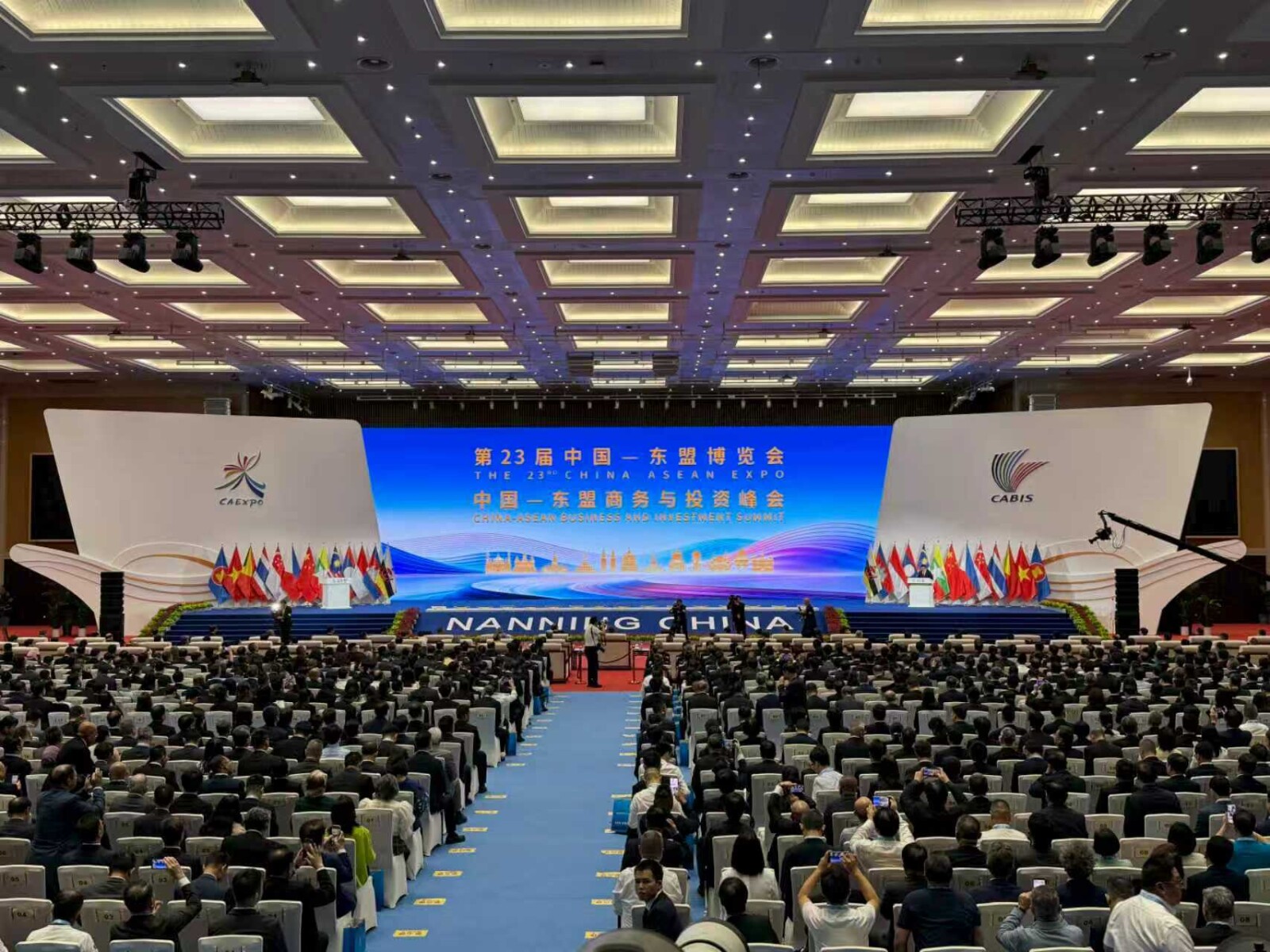
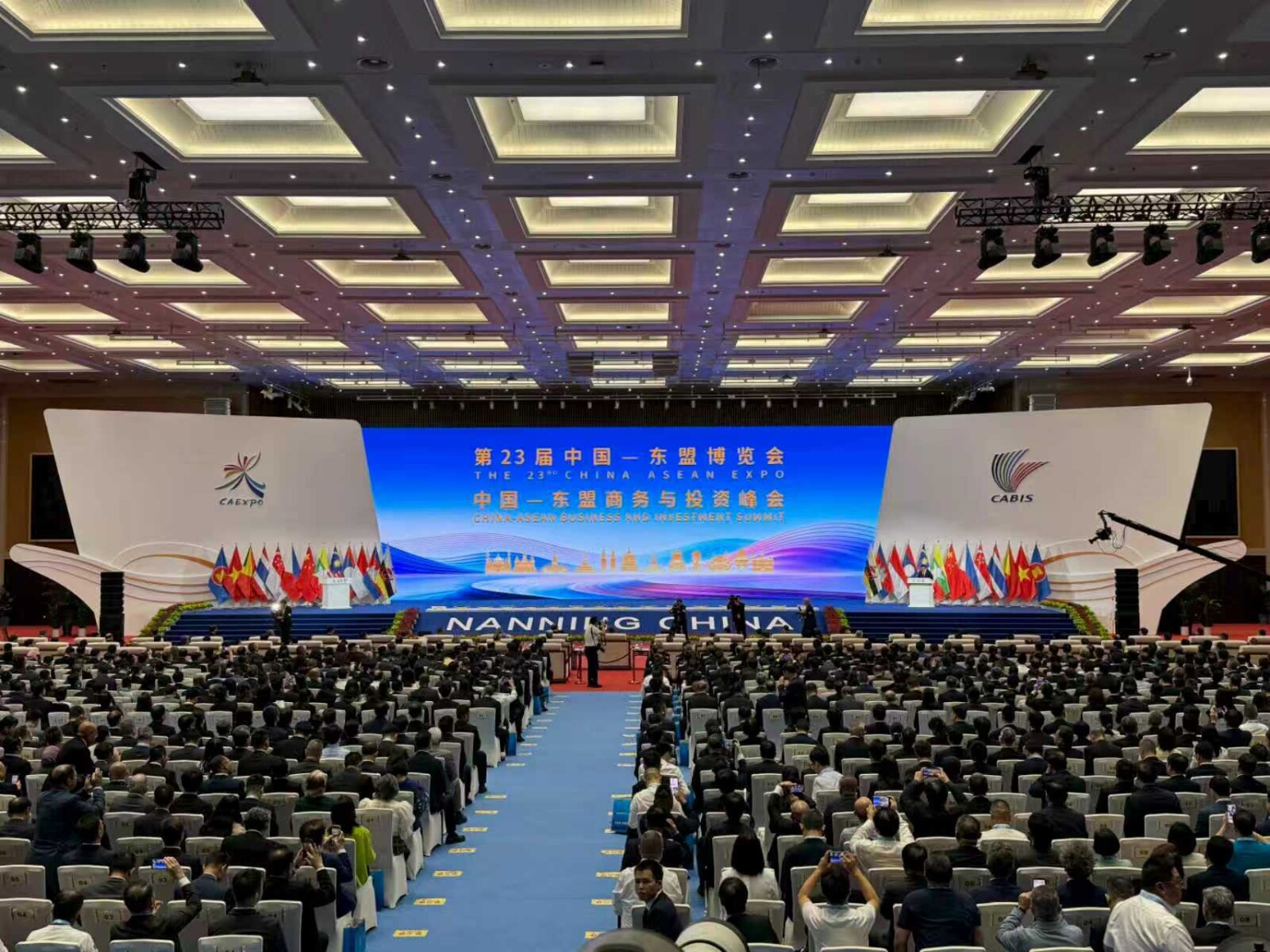
Pembukaan CAEXPO ke-23 dan CABIS di Nanning, Mempererat Kemitraan Strategis China-ASEAN
-
 Minggu, 20 September 2026 | 11:46
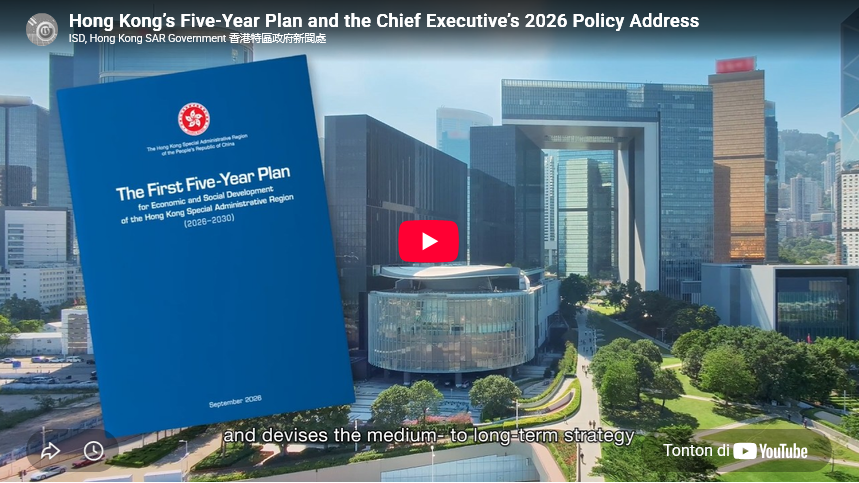
Chief Executive Hong Kong Bahas Visi Strategis Pembangunan melalui Siaran Radio dalam Rencana Lima Tahun Pertama Kota
-

-
-
 Rabu, 19 Agustus 2026 | 14:28
Wali Kota Dumai Sampaikan Jawaban Atas Pandangan Umum Fraksi Ranperda APBD TA 2027
-
 Senin, 31 Agustus 2026 | 14:36
Wakil Wali Kota Dumai Terima Audiensi Pasis Seskoad, Perkuat Sinergi dan Wawasan Pembangunan Daerah
-
 Kamis, 20 Agustus 2026 | 14:30
DPRD dan Pemko Dumai Sepakati 13 Ranperda Masuk Propemperda Tahun 2027
-
 Rabu, 19 Agustus 2026 | 14:26
Pemko Dumai Terima Penghargaan Mitra Kerja dari Kanwil Kemenkumham Riau Atas Sinergi Harmonisasi Hukum
-
 Selasa, 15 September 2026 | 18:21
Dari Sungai Pakning ke Pune India: Pertamina Patra Perkenalkan Tata Kelola Ekosistem Gambut Berkelanjutan