Menu Website

- Home
- MediaOutReach
- Easmed and The Air Station unveil hidden sleep apnea risk across Singapore's workforce in landmark survey

Easmed and The Air Station unveil hidden sleep apnea risk across Singapore's workforce in landmark survey
Kamis, 10 September 2026 | 08:44
Link berita berhasil disalin!
Findings uncover a hidden sleep crisis driving daytime exhaustion and productivity loss despite a full night's rest
- - Almost the entire office workforce (97%) experiences performance drops following a bad night's sleep, with 58% losing over 20% of their daily output.
- - Most workers fail to recognise sleep apnea signs, misinterpreting chronic gasping, snoring, and daytime exhaustion as standard work stress.
SINGAPORE -
Media OutReach Newswire - 10 September 2026 - A comprehensive sleep health survey titled, "Sleeping Enough, Waking Up Tired: The Hidden Cost of Sleep Apnea Risk in Singapore's Workforce", reveals that unaddressed sleep disorders are quietly eroding productivity across the nation's workforce.
The survey is jointly commissioned by Easmed and The Air Station, Singapore-headquartered medical technology companies specialising in innovative medical devices and sleep health solutions. The survey of 1,000 office-based working adults in Singapore aged 30 to 60, conducted in June 2026, reveals a concerning gap between sleep debt, clinical risk and public awareness.
Sleep Apnea is a prevalent medical condition where the upper airway repeatedly relaxes and collapses during sleep, temporarily cutting off oxygen flow. This forces the brain to repeatedly wake the body up to restart breathing, disrupting core sleep cycles and causing loud snoring, gasping, and severe daytime exhaustion.
Key Survey Highlights
- - Workplace productivity drain: 97% of respondents experience a productivity drop after a poor night's sleep, with 58% estimating their performance drops by more than 20%.
- - Hidden clinical risk: 1 in 4 (24%) office workers screen at intermediate-to-high risk for Sleep Apnea.
- - Widespread awareness gap: 60% of employees have never heard of Sleep Apnea or only know the name. Additionally, 56% have never evaluated their sleep quality via a doctor, app, or diagnostic test.
- - Nightly sleep deficit: Singapore workers average 6.3 hours of sleep per night compared to the 7.4 hours they need to feel refreshed, leaving a daily 1.1-hour shortfall.
- - Normalised misconceptions: 50% view daytime fatigue as a normal part of busy working life, 25% believe brief breathing pauses during sleep are harmless, and 24% mistake loud snoring for deep sleep.
- - Key hurdles to care: Cost of diagnosis/treatment (51%) and lack of knowledge on where to seek help (36%) are the primary reasons workers avoid getting evaluated for Sleep Apnea.
While 72% of employees cite flexible hours as their top ask for sleep support, health experts emphasise that extra time in bed cannot fix underlying physiological conditions like Sleep Apnea.
Corporate access to subsidised screening (37%) and targeted sleep education (21%) remain the most direct solutions.
Commenting on the survey findings, Dr Phua Chu Qin, Senior Consultant Otolaryngology (ENT) and Director of Sleep Surgery at Sengkang General Hospital, said: "The productivity findings for this local survey reinforce that sleep is not simply a lifestyle issue. This is timely, because Singaporeans need to move away from normalising poor sleep and persistent daytime fatigue and start to recognise when poor sleep warrants assessment."
"Snoring and witnessing breathing pauses during sleep should not automatically be dismissed as harmless. Recognising these warning signs early and getting assessed can be an important step towards better health, alertness and productivity," she added.
The sleep paradox: Time in bed versus restorative sleep
The study highlighted a striking disconnect between time spent in bed and actual sleep quality. On average, Singapore office workers accumulate a nightly "sleep debt" of 1.1 hours, getting 6.3 hours of sleep against a reported need of 7.4 hours.
However, individuals screening at the highest risk for Sleep Apnea actually reported longer average bedtimes (6.68 hours) than low-risk workers (6.30 hours). Because Sleep Apnea causes repeated airway collapses and micro-awakenings throughout the night, time spent in bed fails to translate into restorative sleep.
The desensitisation runs deeper: high-risk workers were more than twice as likely as low-risk workers to say a poor night's sleep had "no impact" on their productivity (8% vs. 2.5%), and significantly more likely to say poor sleep hadn't affected their concentration at all. Thus, the group carrying the greatest health risk is also the group least able to recognise it in themselves, underscoring why self-assessment alone cannot catch Sleep Apnea, and why objective clinical screening is essential.
Dangerous myths keep Singaporeans in the dark
The report uncovered prevalent misconceptions regarding sleep hygiene and clinical signs, that may be delaying diagnosis:
- - 50% of respondents view daytime sleepiness as "just a normal part of a busy working life."
- - 25% believe brief pauses in breathing during sleep are harmless.
- - 24% believe loud, regular snoring is a sign of deep, healthy sleep.
Over 80% of the workforce recognises that sleep sacrifice isn't a virtue, yet nearly 1 in 5 still feel needing little sleep signals a strong work ethic.
Among individuals already sitting in the high-risk Sleep Apnea bracket, these myths run even deeper: 52% believe loud snoring is healthy and 54% view breathing interruptions as harmless, suggesting many high-risk individuals are unknowingly reassuring themselves out of seeking help.
A call for workplace sleep wellness
While 72% of employees indicated a desire for flexible working hours to manage sleep, health experts emphasise that schedule adjustments alone cannot solve clinical sleep disorders like Sleep Apnea. Instead, actionable support requires early detection and clinical intervention.
"Sleep health can no longer be viewed purely as a personal lifestyle choice; it is a critical workplace health issue that directly impacts safety, decision-making, and long-term cardiovascular health," said Yvonne Loo, Group Director at Easmed.
"Our goal in commissioning this survey is to lower the friction for screening. Structural barriers like clinical diagnostic costs (51%) and confusion on where to seek help (36%) can be easily solved through accessible home sleep testing and corporate wellness partnerships."
Explore more survey results here: www.easmed.com/
About the survey
 https://www.easmed.com/sgsleepsurvey2026
 https://www.linkedin.com/company/easmed/posts/?feedView=all
 https://www.facebook.com/EasmedAsia
 https://www.instagram.com/easmed/?hl=en
📢 Publisir Berita & Kegiatan Instansi Anda di RiauGreen
Jangkau pembaca luas & terindeks Google News. Pilih paket rilis pers, advertorial, atau kemitraan media.
BERITA LAINNYA

Kamis, 10 September 2026 | 10:46

Kamis, 10 September 2026 | 10:45

Kamis, 10 September 2026 | 10:44

Kamis, 10 September 2026 | 10:44
Kamis, 10 September 2026 | 10:43

Kamis, 10 September 2026 | 10:41

Kamis, 10 September 2026 | 08:48

Kamis, 10 September 2026 | 08:44
Kamis, 10 September 2026 | 08:43

Rabu, 09 September 2026 | 22:20
BERIKAN KOMENTAR


-
 Kamis, 10 September 2026 | 11:15
EURO Group Raih Pengakuan APEA 2026 atas Keunggulan Korporasi dan Pertumbuhan Berkelanjutan
-
 Kamis, 10 September 2026 | 11:14
Prudential plc Pertahankan Posisi Kedua dalam Peringkat MDRT Global, dengan Jumlah Anggota Baru di Asia dan Afrika Meningkat 14%
-
 Kamis, 10 September 2026 | 11:14
Arvato Systems Malaysia Raih Penghargaan Integritas Korporat dan Tatakelola di APEA 2026
-
 Kamis, 10 September 2026 | 11:13
UnionPay, Mitra Pembayaran Resmi CIFIT ke-26, Mendukung Pembangunan Global melalui Inovasi Pembayaran
-
 Kamis, 10 September 2026 | 11:12
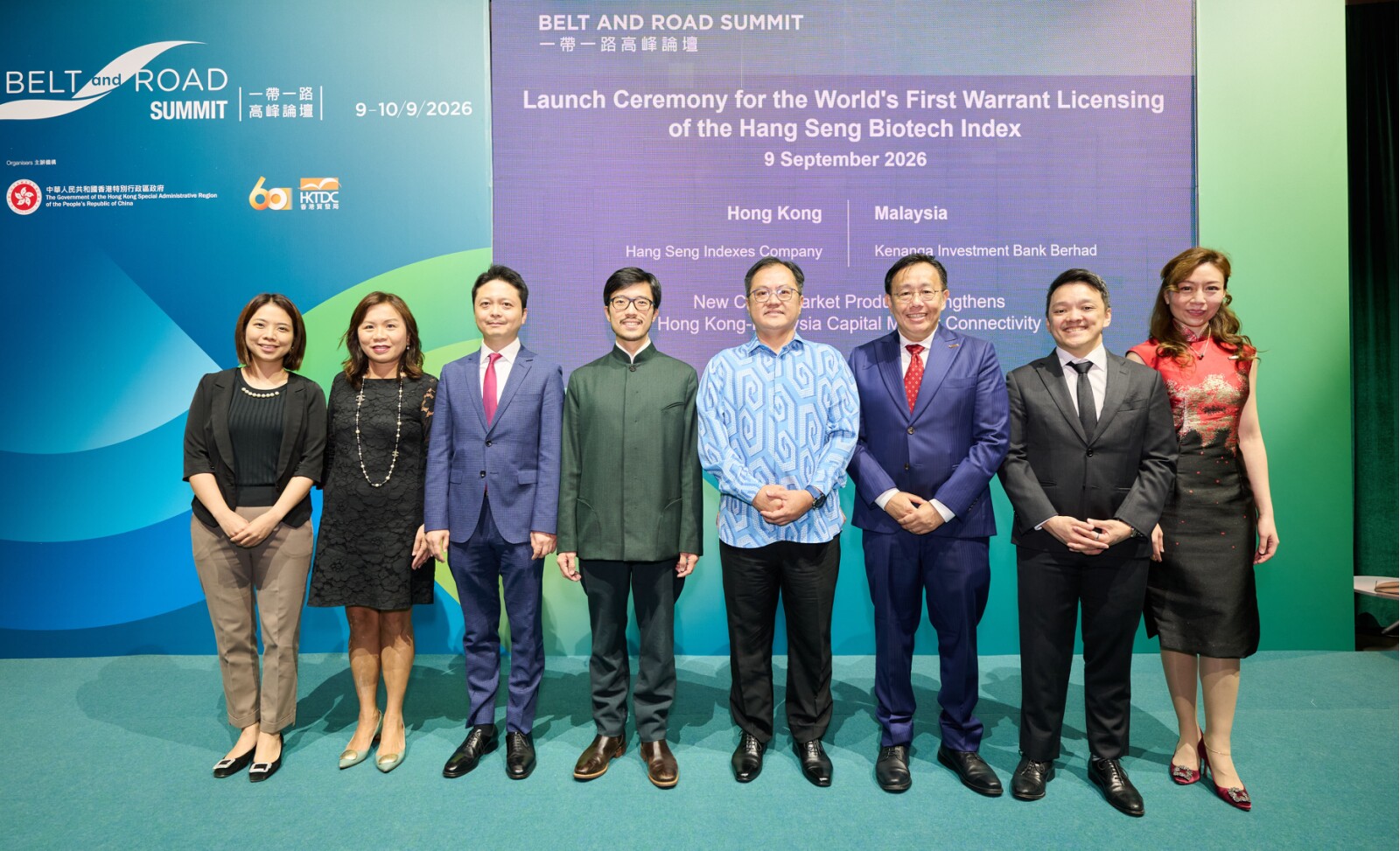
Kenanga Investment Bank Luncurkan Structured Warrants Pertama di Dunia yang Terhubung dengan Hang Seng Biotech Index
-
 Kamis, 10 September 2026 | 10:51
Gooval Luncurkan Layanan Shipping Secure melalui Kemitraan dengan Ping An P&C Insurance

-
-

-
 Jumat, 04 September 2026 | 10:01
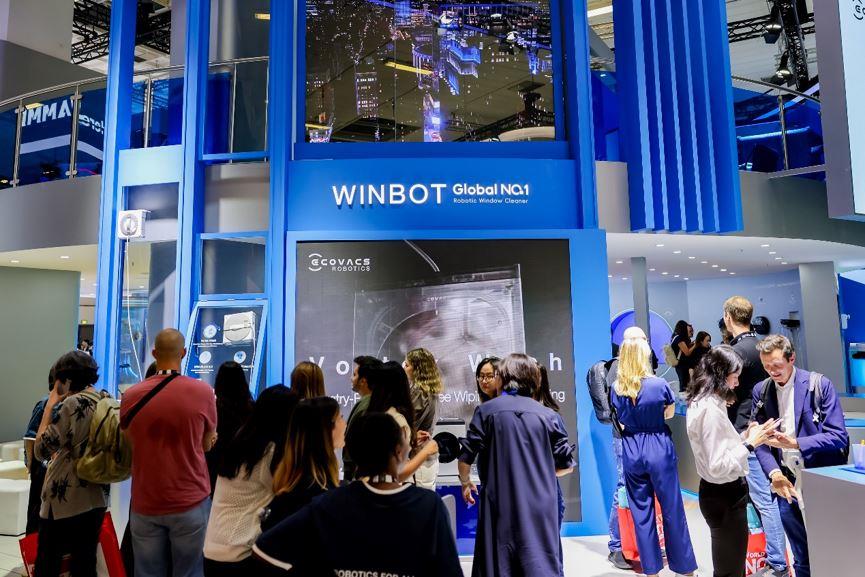
ECOVACS at IFA Berlin 2026: Named as No.1 Brand in Global Home Robotics, Bringing Robotics to More of Everyday Life
-
 Jumat, 04 September 2026 | 21:52
Malaysia's Next Automotive Chapter: From Assembly Lines to Global Value Creation
-
 Jumat, 04 September 2026 | 15:37
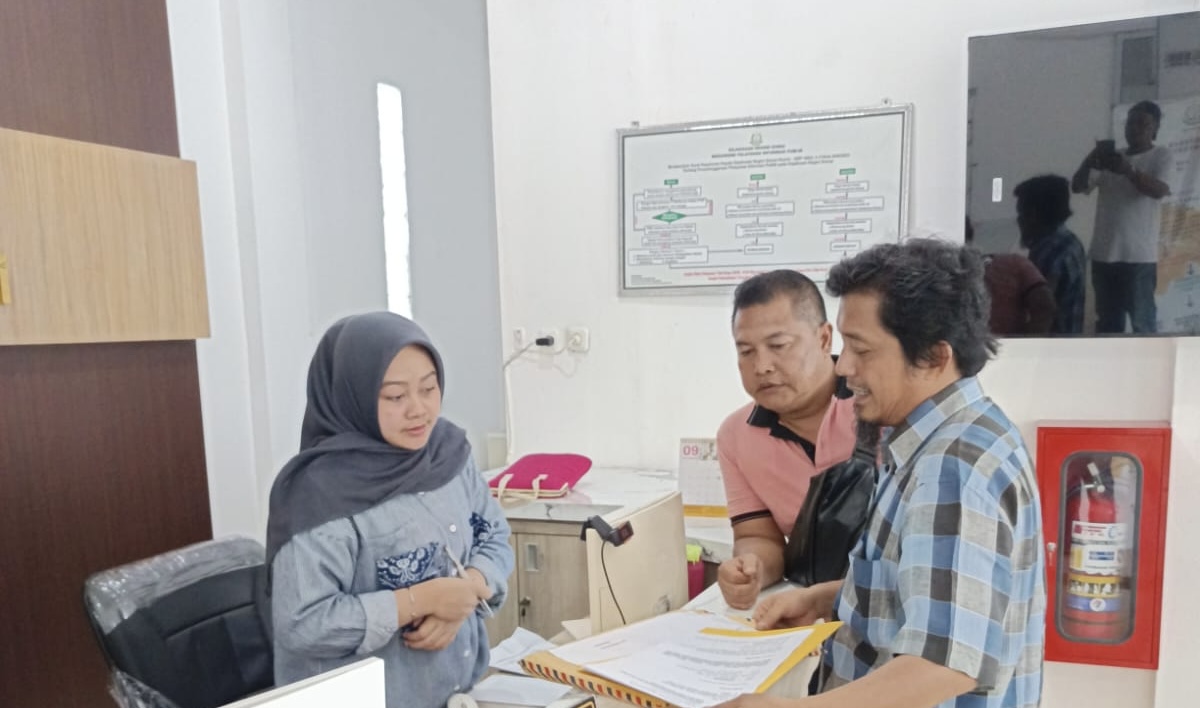
Trust Institute Resmi Laporkan Dugaan Penyimpangan Dana Hibah KONI Dumai 2023-2025
-
 Sabtu, 05 September 2026 | 09:06
Babak Baru Industri Otomotif Malaysia: Dari Jalur Perakitan Menuju Penciptaan Nilai Global