Menu Website

- Home
- MediaOutReach
- Semicon Taiwan: TRUMPF Enables Integrated Chip Cooling for the Next Generation of AI Chips

Semicon Taiwan: TRUMPF Enables Integrated Chip Cooling for the Next Generation of AI Chips
Selasa, 01 September 2026 | 20:14
Link berita berhasil disalin!

Advanced packaging requires integrated cooling at the semiconductor level // TRUMPF uses ultrashort-pulse lasers to enable the industrial production of the microstructures needed for this // Ultra-fine structures are created directly within the chip stack
DITZINGEN,GERMANY / TAIPEI,TAIWAN - Media OutReach Newswire - 1 September 2026 - The next generation of high-performance AI chips requires new cooling solutions. At Semicon Taiwan, TRUMPF is showcasing for the first time a new ultrashort-pulse laser application that enables the industrial production of cooling systems integrated into AI chips. "Heat dissipation will become the bottleneck for future AI processors. Without new cooling concepts, the high requirements cannot be met. Our ultrashort-pulse lasers enable the cost-effective production of the microstructures required for this on an industrial scale," says Cathrin Conrad, Business Development Manager at TRUMPF and responsible for chip cooling. With the new laser application, chip manufacturers can flexibly integrate cooling structures into the chip stack. The process is suitable for various materials, such as silicon carbide and diamond.AI Boom drives demand for new cooling concepts
Manufacturers are increasingly turning to advanced packaging, a cutting-edge semiconductor technology in which chips are stacked or closely interconnected to enable greater computing power in a small space. As a result, heat is increasingly generated inside the chip stack and can only be dissipated to a limited extent using conventional cooling methods, such as cooling server racks or entire data centers. Leading semiconductor manufacturers have therefore included novel cooling solutions for chips in their development roadmaps, such as microfluidic cooling or heat spreaders. This involves incorporating extremely fine structures into the chip package that dissipate heat where it is generated.
Semiconductor manufacturers must integrate these cooling structures into materials such as silicon carbide. This material is suitable for demanding applications in the semiconductor industry and efficiently dissipates heat. However, manufacturing the required microstructures poses major challenges for the semiconductor industry, as silicon carbide is extremely hard, the required structures are extremely small, and they are difficult to produce using established etching processes.
TRUMPF lasers enable industrial production of cooling structures
This is where TRUMPF's ultrashort-pulse lasers (USP) come into play. "The key advantage of our technology: It is the combination of high laser power, beam-shaping technology, and our many years of application expertise that makes the industrial production of integrated cooling systems in chip stacks possible," says Conrad.
The USP lasers ablate the silicon carbide with micrometer precision and create the fine structures. High precision is crucial for reliable cooling. Compared to etching, ultrashort-pulse lasers enable at least five times the processing speed while delivering excellent surface quality and precise geometry of the cooling structures. This allows the semiconductor industry's requirements for both quality and cost-effectiveness to be met simultaneously. After all, in addition to quality, productivity plays a central role for chip manufacturers.
Please click here to download the media kit.
Digital photographs in print-ready resolution are available to illustrate this press release. They may only be used for editorial purposes. Use is free of charge when credit is given as "Photo: TRUMPF". Graphic editing - except for cropping out the main motif - is prohibited. Additional photos can be accessed at the TRUMPF Media Pool.
📢 Publisir Berita & Kegiatan Instansi Anda di RiauGreen
Jangkau pembaca luas & terindeks Google News. Pilih paket rilis pers, advertorial, atau kemitraan media.
BERITA LAINNYA
Selasa, 01 September 2026 | 20:15

Selasa, 01 September 2026 | 20:14
Selasa, 01 September 2026 | 20:14

Selasa, 01 September 2026 | 20:12
Selasa, 01 September 2026 | 20:11
Selasa, 01 September 2026 | 20:10

Selasa, 01 September 2026 | 20:05
Selasa, 01 September 2026 | 20:04

Selasa, 01 September 2026 | 20:03
Selasa, 01 September 2026 | 20:02


Selasa, 01 September 2026 | 20:01
BERIKAN KOMENTAR

-
Selasa, 01 September 2026 | 20:15
First Phosphate Reports Annual Meeting Results, Substantial Increase in Shareholder Base and Adoption of Advance Notice Policy
-
Selasa, 01 September 2026 | 20:14
TRUMPF makes glass substrates ready for the next generation of AI chips
-
Selasa, 01 September 2026 | 20:14
Semicon Taiwan: TRUMPF Enables Integrated Chip Cooling for the Next Generation of AI Chips
-
Selasa, 01 September 2026 | 20:12
Sino Land reports 13.3% revenue growth and a 14.2% increase in net profit attributable to shareholders for FY2025/26
-
Selasa, 01 September 2026 | 20:11
TempraMed Signs Letter of Intent with CPO Greece for Exclusive Distribution of VIVI Products in Greece
-
Selasa, 01 September 2026 | 20:10
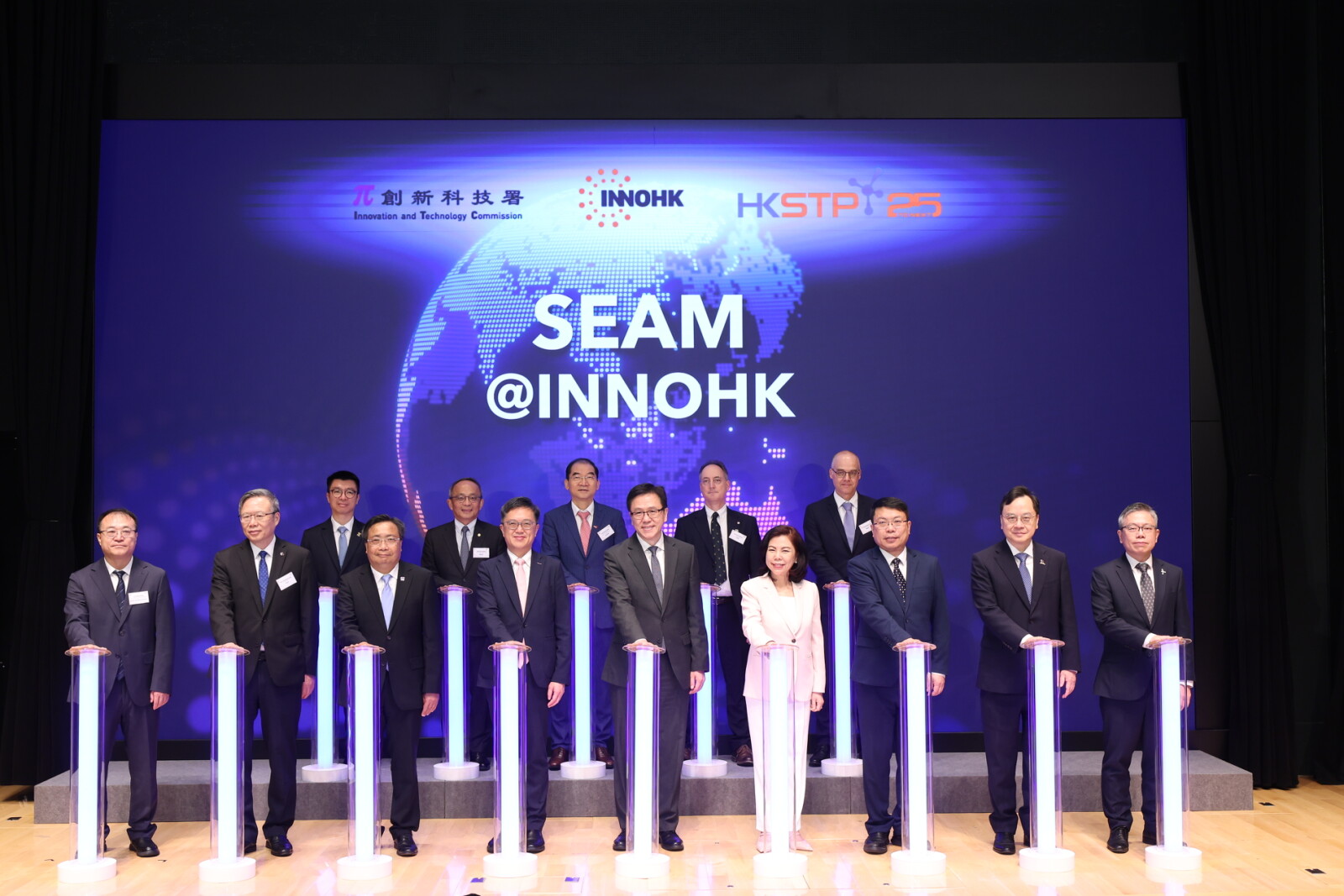
InnoHK R&D Centres Establish Base at Science Park to Drive Emerging Industries and Pioneer Future Innovation

-

-

-

-
 Jumat, 28 Agustus 2026 | 09:43
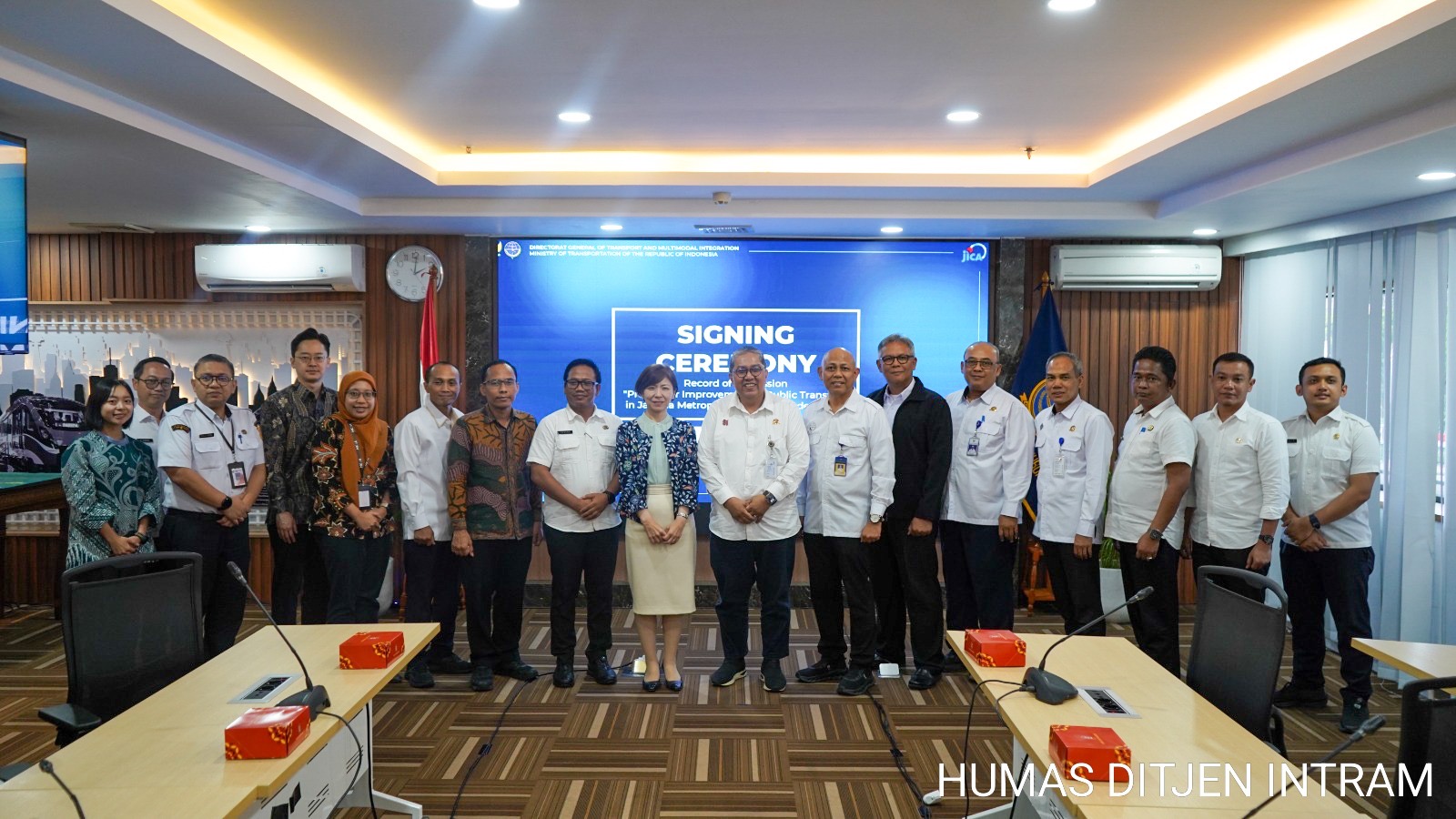
Ditjen Intram dan JICA Perkuat Integrasi Transportasi Publik Jabodetabek
-
-
 Jumat, 28 Agustus 2026 | 09:40
Kunjungan ke TPA Benowo Tandai Dimulainya Pemeriksaan Tematik Nasional Ketahanan Energi BPK