Menu Website

- Home
- MediaOutReach
- SearchInform: A Risky Game ? How FIFA World Cup 2026 Led to Mass Corporate Data Leaks

SearchInform: A Risky Game ? How FIFA World Cup 2026 Led to Mass Corporate Data Leaks
Selasa, 21 Juli 2026 | 14:53
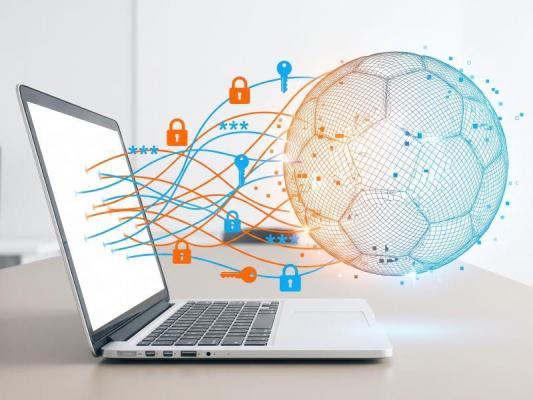
Experts claim that corporate employees in Southeast Asia are neglecting cybersecurity rules due to their love for football, leading to an increase in fraud cases.
SINGAPORE -
Media OutReach Newswire
- 21 July 2026 - Although the tournament itself took place in North
America, Asia's massive football fan base created the perfect conditions
for data leaks.
Fraudsters are capitalizing on football fans by creating fake streaming platforms and malicious Android applications that steal saved passwords and account credentials directly from browsers. Criminals are also setting up fraudulent websites, as well as sending phishing emails to company employees disguised as gifts, promotions, and office betting pools.
"During major global events, the corporate security perimeter is under huge stress," said Francis Yeoh, Country Director at SearchInform Malaysia. "Employees access streaming websites from corporate devices to watch matches live. Traditional network-edge security is insufficient?the real danger comes from the employee side of the fence. Employees could watch a translation on a malware-infested website, they could download streaming applications with hidden malware, or use corporate credentials to register for fraudulent giveaways."
According to Group-IB and the FBI, from August 2025 to June 2026, more than 4,300 fake websites were registered fully mimicking FIFA interfaces, ticketing systems, streaming platforms, and World Cup employment portals.
How Organizations Can Reduce Cyber Risks During Football Season
Fraudsters are capitalizing on football fans by creating fake streaming platforms and malicious Android applications that steal saved passwords and account credentials directly from browsers. Criminals are also setting up fraudulent websites, as well as sending phishing emails to company employees disguised as gifts, promotions, and office betting pools.
"During major global events, the corporate security perimeter is under huge stress," said Francis Yeoh, Country Director at SearchInform Malaysia. "Employees access streaming websites from corporate devices to watch matches live. Traditional network-edge security is insufficient?the real danger comes from the employee side of the fence. Employees could watch a translation on a malware-infested website, they could download streaming applications with hidden malware, or use corporate credentials to register for fraudulent giveaways."
According to Group-IB and the FBI, from August 2025 to June 2026, more than 4,300 fake websites were registered fully mimicking FIFA interfaces, ticketing systems, streaming platforms, and World Cup employment portals.
How Organizations Can Reduce Cyber Risks During Football Season
- - Monitor the use of corporate devices. Remind employees that corporate workstations should not be used for personal purposes, including streaming, downloading unofficial apps, or visiting suspicious websites. This measure alone can help reduce exposure to many malware threats.
- - Strengthen password security. Monitor risky password practices, as some employees may reuse corporate credentials for personal services. If one of these services is compromised, corporate accounts and systems may be put at risk as well.
- - Enforce multi-factor authentication. Apply MFA for privileged employees on a regular basis and temporarily strengthen authentication requirements for remote employees during high-risk periods. This provides an additional layer of protection against unauthorized access.
- - Monitor data access patterns. Track who accesses critical information, from where, and monitor its transmission to prevent data loss. Make sure protection also covers cloud services, as corporate data is no longer limited to on-premises storage.
BERITA LAINNYA

Selasa, 21 Juli 2026 | 16:23
Selasa, 21 Juli 2026 | 15:04

Selasa, 21 Juli 2026 | 15:03

Selasa, 21 Juli 2026 | 15:02

Selasa, 21 Juli 2026 | 15:01

Selasa, 21 Juli 2026 | 15:00

Selasa, 21 Juli 2026 | 14:57

Selasa, 21 Juli 2026 | 14:55
Selasa, 21 Juli 2026 | 14:53

Senin, 20 Juli 2026 | 20:51

Senin, 20 Juli 2026 | 20:50

BERIKAN KOMENTAR

-
 Selasa, 21 Juli 2026 | 16:32
Singapura Luncurkan Professional Services Centre Utama untuk Membantu Perusahaan Berekspansi di Asia
-

-

-

-
 Selasa, 21 Juli 2026 | 16:30
Philippine Airlines Pilih Mesin GEnx GE Aerospace untuk Menggerakkan Armada Boeing 787-10 Dreamliner Terbarunya
-


-

-
 Minggu, 19 Juli 2026 | 08:24
Forest City SFZ Releases Updated Tourism Data As Johor Bahru?Singapore RTS Link Nears Completion
-
 Kamis, 16 Juli 2026 | 13:43
Hong Kong Book Fair, Sports and Leisure Expo and World of Snacks all open today
-

-

-
 Rabu, 15 Juli 2026 | 11:32
PT JUP Lakukan Perawatan IPA Hutan Kota, Pelanggan Diimbau Menyiapkan Cadangan Air Selama Pasokan Terganggu