Menu Website

- Home
- MediaOutReach
- Beyfortus® (nirsevimab) approved in Singapore to protect all infants against RSV disease

Beyfortus® (nirsevimab) approved in Singapore to protect all infants against RSV disease
Jumat, 05 September 2025 | 22:25

SINGAPORE -
Media OutReach Newswire
- 5 September 2025 - The Health Sciences Authority (HSA) has approved
Sanofi and AstraZeneca's BEYFORTUS (nirsevimab) for the prevention of
respiratory syncytial virus (RSV) lower respiratory tract disease in
newborns and infants born during or entering their first RSV season, and
for children up to 24 months of age who remain vulnerable to severe RSV
disease through their second RSV season.
Globally, around 2 in 3 babies will catch RSV before their first birthday4 and it remains the most common cause of lower respiratory tract disease, including bronchiolitis and pneumonia, in infants5. RSV is also a leading cause of hospitalisation among infants in Singapore, with most cases occurring in otherwise healthy, full-term babies. Each year, approximately 1,804 children under 29 months are hospitalised due to RSV-related illness6-10.
A panel of leading paediatricians in Singapore recently published an expert consensus, underscoring the urgent need for RSV protection in all infants. They concur that nirsevimab is key to alleviating the RSV burden on the healthcare system and recommend that immunisation be considered for all infants under the National Immunisation Programme in Singapore.11
Zainab Sadat, Head of Vaccines, Sanofi Southeast Asia & India
“Today, Singapore joins other countries worldwide where an innovative immunisation solution is now available to protect all infants against RSV. The approval of BEYFORTUS marks a critical step towards giving parents the ability to protect their babies during their first year of life, when they are most vulnerable to severe RSV disease. We are committed to working with stakeholders across the RSV care continuum to ensure seamless implementation and broad availability of this innovative preventive solution — because every baby needs protection. Our goal is simple: to help parents protect their babies, and give them peace of mind."
The approval was based on results from the extensive BEYFORTUS clinical development programme spanning three pivotal late-stage clinical trials. Across all clinical endpoints, a single dose of BEYFORTUS demonstrated high and consistent efficacy against RSV disease sustained for at least five months. BEYFORTUS was well tolerated with a favourable safety profile that was consistent across all clinical trials. The overall rates of adverse events were comparable between BEYFORTUS and placebo and the majority of adverse events were mild or moderate in severity.
In temperate countries, the single administration of BEYFORTUS was developed to correspond with the beginning of the RSV season for babies born prior to the season or at birth for those born during the RSV season. In clinical trials, BEYFORTUS helped prevent RSV disease requiring medical care in all infant populations studied, including those born healthy, at term or preterm, or with specific health conditions that make them vulnerable to severe RSV disease. RSV disease requiring medical care included physician office, urgent care, emergency room visits and hospitalisations.
About RSV
RSV is a highly contagious virus that can lead to serious respiratory illness for infants.5 It is a leading cause of hospitalisation in all infants, with most hospitalisations for RSV occurring in otherwise healthy infants born at term6-10. Two out of three infants are infected with RSV during their first year of life and almost all children are infected by their second birthday4. Globally, in 2019, there were approximately 33 million cases of acute lower respiratory infections leading to more than three million hospitalisations, and it was estimated that there were 26,300 in-hospital deaths of children younger than five years12. RSV-related direct medical costs, globally — including hospital, outpatient and follow-up care — were estimated at €4.82 billion in 201713.
About BEYFORTUS
BEYFORTUS (nirsevimab) is the first immunisation designed for all newborns and infants for protection against RSV disease through their first RSV season, including for those born healthy at term or preterm, or with specific health conditions. It is also indicated for children up to 24 months of age who remain vulnerable to severe RSV disease through their second RSV season.
As a long-acting antibody provided directly to newborns and infants as a single dose, BEYFORTUS offers rapid protection to help prevent lower respiratory tract disease caused by RSV without requiring activation of the immune system. BEYFORTUS administration can be timed to coincide with the RSV season.
BEYFORTUS has been approved for use in the European Union, the US, China, Japan, and many other countries around the world. Special designations to facilitate expedited development of BEYFORTUS were granted by several regulatory agencies, including Breakthrough Therapy Designation and Priority Review designation by The China Center for Drug Evaluation under the National Medical Products Administration; Breakthrough Therapy Designation and Fast Track Designation from the US Food and Drug Administration; access granted to the European Medicines Agency (EMA) PRIority MEdicines (PRIME) scheme and EMA accelerated assessment; Promising Innovative Medicine designation by the UK Medicines and Healthcare products Regulatory Agency; and BEYFORTUS has been named “a medicine for prioritized development” under the Project for Drug Selection to Promote New Drug Development in Pediatrics by the Japan Agency for Medical Research and Development.
About the clinical trials
The Phase 2b trial14 was a randomised, placebo-controlled trial designed to measure the efficacy of BEYFORTUS against medically attended lower respiratory tract disease (LRTD) caused by RSV through 150 days post-dose in healthy preterm infants of 29 to less than 35 weeks' gestation (n=1,453). Infants were randomised (2:1) to receive a single 50 mg intramuscular injection of BEYFORTUS (n=969) or placebo (n=484) regardless of weight at the RSV season start. The primary endpoint was met, significantly reducing the incidence of medically attended RSV LRTD by 70.1% (95% CI: 52.3, 81.2; P<0.001) compared to placebo. In a prespecified secondary endpoint, BEYFORTUS reduced medically attended RSV LRTD with hospitalisation by 78.4% (95% CI 51.9, 90.3) versus placebo.
The BEYFORTUS dosing regimen was determined based on further exploration of the Phase 2b data and was used in subsequent trials as a single 50 mg dose for infants who weigh less than 5 kg, or a single 100 mg dose for those who weigh 5 kg or greater. A post-hoc analysis of the Phase 2b study that applied the recommended 50 mg dose in a subgroup of infants weighing less than 5 kg showed the efficacy of BEYFORTUS against medically attended RSV LRTD and medically attended RSV LRTD with hospitalisation was 86.2% (95% CI 68.0, 94.0) and 86.5% (95% CI 53.5, 96.1), respectively.
The Phase 3 MELODY trial15 was a randomised, double-blind, placebo-controlled trial conducted across 21 countries designed to determine the safety and efficacy of BEYFORTUS against medically attended LRTD caused by RSV in healthy term and late preterm infants (35 weeks gestational age or greater) entering their first RSV season, including efficacy against severe disease such as hospitalisation, through 150 days after dosing. The primary endpoint was met, reducing the incidence of medically attended RSV LRTD by 74.5% (95% CI 49.6, 87.1; P<0.001) compared to placebo. The efficacy of BEYFORTUS against the secondary endpoint of hospitalisation was 62.1% (-8.6, 86.8). A pre-specified pooled analysis of the Phase 3 MELODY trial showed the efficacy of BEYFORTUS against medically attended RSV LRTD and medically attended RSV LRTD with hospitalisation was 79.5% (95% CI 65.9, 87.7; P<0.0001) and 77.3% (95% CI 50.3, 89.7; P<0.001), respectively.
MEDLEY was a Phase 2/316, randomised, double-blind, palivizumab-controlled trial with the primary objective of assessing safety and tolerability for BEYFORTUS in preterm infants of less than 35 weeks' gestational age and infants with congenital heart disease (CHD) and/or chronic lung disease (CLD) of prematurity eligible to receive palivizumab. Between July 2019 and May 2021, a total of 925 infants at higher risk for severe RSV disease entering their first RSV season were randomised to receive BEYFORTUS or palivizumab. Safety was assessed by monitoring the occurrence of treatment emergent adverse events (TEAEs) and treatment emergent severe adverse events (TESAEs) through 360 days post-dose. Serum levels of BEYFORTUS following dosing (on day 151) in this trial were comparable with those observed in the Phase 3 MELODY trial, indicating similar protection in this population to that in healthy term and late preterm infants is likely.
BEYFORTUS was well tolerated with a favourable safety profile that was similar to palivizumab in the MEDLEY Phase 2/3 trial and consistent with the safety profile in healthy term and preterm infants compared to placebo across the MELODY and Phase 2b trials. The overall rates of adverse events were comparable between BEYFORTUS and placebo and the majority of adverse events were mild or moderate in severity.
The results of MELODY, Phase 2/3 MEDLEY and the Phase 2b trials illustrate that BEYFORTUS helped prevent RSV disease requiring medical care in all infant populations studied, including those born healthy at term or preterm, or with specific health conditions that make them vulnerable to severe RSV disease. RSV disease requiring medical care included physician office, urgent care, emergency room visits and hospitalisations.11
These trials form the basis of regulatory submissions that began in 2022.
Another study, the Hospitalized RSV Monoclonal Antibody Prevention (HARMONIE) trial2, 3, was a large European interventional clinical trial in 250 sites and including over 8,000 infants aiming to determine the efficacy and safety of a single intramuscular (IM) dose of BEYFORTUS (<5 kg 50 mg; ≥5 kg 100 mg), compared to no intervention (standard of care), for the prevention of hospitalisations due to RSV-related LRTD in infants under 12 months of age who are not eligible to receive palivizumab.
The data from HARMONIE show that BEYFORTUS reduced the incidence of hospitalisations due to RSV-related LRTD by 82.7% (95% CI: 67.8-91.5; p<0.0001) through 180 days after administration compared to no intervention, exceeding the typical length of the five-month RSV season. The high efficacy of 83.2% previously reported in the primary analysis was sustained over the longer follow-up period with no evidence of waning protection in infants born before or during the RSV season. BEYFORTUS maintained a favorable safety profile, consistent with clinical study results. 2, 3
Sanofi Forward-Looking Statements
This press release contains forward-looking statements as defined in the Private Securities Litigation Reform Act of 1995, as amended. Forward-looking statements are statements that are not historical facts. These statements include projections and estimates and their underlying assumptions, statements regarding plans, objectives, intentions and expectations with respect to future financial results, events, operations, services, product development and potential, and statements regarding future performance. Forward-looking statements are generally identified by the words “expects”, “anticipates”, “believes”, “intends”, “estimates”, “plans” and similar expressions. Although Sanofi's management believes that the expectations reflected in such forward-looking statements are reasonable, investors are cautioned that forward-looking information and statements are subject to various risks and uncertainties, many of which are difficult to predict and generally beyond the control of Sanofi, that could cause actual results and developments to differ materially from those expressed in, or implied or projected by, the forward-looking information and statements. These risks and uncertainties include among other things, the uncertainties inherent in research and development, future clinical data and analysis, including post marketing, decisions by regulatory authorities, such as the FDA or the EMA, regarding whether and when to approve any drug, device or biological application that may be filed for any such product candidates as well as their decisions regarding labelling and other matters that could affect the availability or commercial potential of such product candidates, the fact that product candidates if approved may not be commercially successful, the future approval and commercial success of therapeutic alternatives, Sanofi's ability to benefit from external growth opportunities, to complete related transactions and/or obtain regulatory clearances, risks associated with intellectual property and any related pending or future litigation and the ultimate outcome of such litigation, trends in exchange rates and prevailing interest rates, volatile economic and market conditions, cost containment initiatives and subsequent changes thereto, and the impact that pandemics or other global crises may have on us, our customers, suppliers, vendors, and other business partners, and the financial condition of any one of them, as well as on our employees and on the global economy as a whole. The risks and uncertainties also include the uncertainties discussed or identified in the public filings with the SEC and the AMF made by Sanofi, including those listed under “Risk Factors” and “Cautionary Statement Regarding Forward-Looking Statements” in Sanofi's annual report on Form 20-F for the year ended December 31, 2022. Other than as required by applicable law, Sanofi does not undertake any obligation to update or revise any forward-looking information or statements.
References
http://www.sanofi.com.
Globally, around 2 in 3 babies will catch RSV before their first birthday4 and it remains the most common cause of lower respiratory tract disease, including bronchiolitis and pneumonia, in infants5. RSV is also a leading cause of hospitalisation among infants in Singapore, with most cases occurring in otherwise healthy, full-term babies. Each year, approximately 1,804 children under 29 months are hospitalised due to RSV-related illness6-10.
A panel of leading paediatricians in Singapore recently published an expert consensus, underscoring the urgent need for RSV protection in all infants. They concur that nirsevimab is key to alleviating the RSV burden on the healthcare system and recommend that immunisation be considered for all infants under the National Immunisation Programme in Singapore.11
Zainab Sadat, Head of Vaccines, Sanofi Southeast Asia & India
“Today, Singapore joins other countries worldwide where an innovative immunisation solution is now available to protect all infants against RSV. The approval of BEYFORTUS marks a critical step towards giving parents the ability to protect their babies during their first year of life, when they are most vulnerable to severe RSV disease. We are committed to working with stakeholders across the RSV care continuum to ensure seamless implementation and broad availability of this innovative preventive solution — because every baby needs protection. Our goal is simple: to help parents protect their babies, and give them peace of mind."
The approval was based on results from the extensive BEYFORTUS clinical development programme spanning three pivotal late-stage clinical trials. Across all clinical endpoints, a single dose of BEYFORTUS demonstrated high and consistent efficacy against RSV disease sustained for at least five months. BEYFORTUS was well tolerated with a favourable safety profile that was consistent across all clinical trials. The overall rates of adverse events were comparable between BEYFORTUS and placebo and the majority of adverse events were mild or moderate in severity.
In temperate countries, the single administration of BEYFORTUS was developed to correspond with the beginning of the RSV season for babies born prior to the season or at birth for those born during the RSV season. In clinical trials, BEYFORTUS helped prevent RSV disease requiring medical care in all infant populations studied, including those born healthy, at term or preterm, or with specific health conditions that make them vulnerable to severe RSV disease. RSV disease requiring medical care included physician office, urgent care, emergency room visits and hospitalisations.
About RSV
RSV is a highly contagious virus that can lead to serious respiratory illness for infants.5 It is a leading cause of hospitalisation in all infants, with most hospitalisations for RSV occurring in otherwise healthy infants born at term6-10. Two out of three infants are infected with RSV during their first year of life and almost all children are infected by their second birthday4. Globally, in 2019, there were approximately 33 million cases of acute lower respiratory infections leading to more than three million hospitalisations, and it was estimated that there were 26,300 in-hospital deaths of children younger than five years12. RSV-related direct medical costs, globally — including hospital, outpatient and follow-up care — were estimated at €4.82 billion in 201713.
About BEYFORTUS
BEYFORTUS (nirsevimab) is the first immunisation designed for all newborns and infants for protection against RSV disease through their first RSV season, including for those born healthy at term or preterm, or with specific health conditions. It is also indicated for children up to 24 months of age who remain vulnerable to severe RSV disease through their second RSV season.
As a long-acting antibody provided directly to newborns and infants as a single dose, BEYFORTUS offers rapid protection to help prevent lower respiratory tract disease caused by RSV without requiring activation of the immune system. BEYFORTUS administration can be timed to coincide with the RSV season.
BEYFORTUS has been approved for use in the European Union, the US, China, Japan, and many other countries around the world. Special designations to facilitate expedited development of BEYFORTUS were granted by several regulatory agencies, including Breakthrough Therapy Designation and Priority Review designation by The China Center for Drug Evaluation under the National Medical Products Administration; Breakthrough Therapy Designation and Fast Track Designation from the US Food and Drug Administration; access granted to the European Medicines Agency (EMA) PRIority MEdicines (PRIME) scheme and EMA accelerated assessment; Promising Innovative Medicine designation by the UK Medicines and Healthcare products Regulatory Agency; and BEYFORTUS has been named “a medicine for prioritized development” under the Project for Drug Selection to Promote New Drug Development in Pediatrics by the Japan Agency for Medical Research and Development.
About the clinical trials
The Phase 2b trial14 was a randomised, placebo-controlled trial designed to measure the efficacy of BEYFORTUS against medically attended lower respiratory tract disease (LRTD) caused by RSV through 150 days post-dose in healthy preterm infants of 29 to less than 35 weeks' gestation (n=1,453). Infants were randomised (2:1) to receive a single 50 mg intramuscular injection of BEYFORTUS (n=969) or placebo (n=484) regardless of weight at the RSV season start. The primary endpoint was met, significantly reducing the incidence of medically attended RSV LRTD by 70.1% (95% CI: 52.3, 81.2; P<0.001) compared to placebo. In a prespecified secondary endpoint, BEYFORTUS reduced medically attended RSV LRTD with hospitalisation by 78.4% (95% CI 51.9, 90.3) versus placebo.
The BEYFORTUS dosing regimen was determined based on further exploration of the Phase 2b data and was used in subsequent trials as a single 50 mg dose for infants who weigh less than 5 kg, or a single 100 mg dose for those who weigh 5 kg or greater. A post-hoc analysis of the Phase 2b study that applied the recommended 50 mg dose in a subgroup of infants weighing less than 5 kg showed the efficacy of BEYFORTUS against medically attended RSV LRTD and medically attended RSV LRTD with hospitalisation was 86.2% (95% CI 68.0, 94.0) and 86.5% (95% CI 53.5, 96.1), respectively.
The Phase 3 MELODY trial15 was a randomised, double-blind, placebo-controlled trial conducted across 21 countries designed to determine the safety and efficacy of BEYFORTUS against medically attended LRTD caused by RSV in healthy term and late preterm infants (35 weeks gestational age or greater) entering their first RSV season, including efficacy against severe disease such as hospitalisation, through 150 days after dosing. The primary endpoint was met, reducing the incidence of medically attended RSV LRTD by 74.5% (95% CI 49.6, 87.1; P<0.001) compared to placebo. The efficacy of BEYFORTUS against the secondary endpoint of hospitalisation was 62.1% (-8.6, 86.8). A pre-specified pooled analysis of the Phase 3 MELODY trial showed the efficacy of BEYFORTUS against medically attended RSV LRTD and medically attended RSV LRTD with hospitalisation was 79.5% (95% CI 65.9, 87.7; P<0.0001) and 77.3% (95% CI 50.3, 89.7; P<0.001), respectively.
MEDLEY was a Phase 2/316, randomised, double-blind, palivizumab-controlled trial with the primary objective of assessing safety and tolerability for BEYFORTUS in preterm infants of less than 35 weeks' gestational age and infants with congenital heart disease (CHD) and/or chronic lung disease (CLD) of prematurity eligible to receive palivizumab. Between July 2019 and May 2021, a total of 925 infants at higher risk for severe RSV disease entering their first RSV season were randomised to receive BEYFORTUS or palivizumab. Safety was assessed by monitoring the occurrence of treatment emergent adverse events (TEAEs) and treatment emergent severe adverse events (TESAEs) through 360 days post-dose. Serum levels of BEYFORTUS following dosing (on day 151) in this trial were comparable with those observed in the Phase 3 MELODY trial, indicating similar protection in this population to that in healthy term and late preterm infants is likely.
BEYFORTUS was well tolerated with a favourable safety profile that was similar to palivizumab in the MEDLEY Phase 2/3 trial and consistent with the safety profile in healthy term and preterm infants compared to placebo across the MELODY and Phase 2b trials. The overall rates of adverse events were comparable between BEYFORTUS and placebo and the majority of adverse events were mild or moderate in severity.
The results of MELODY, Phase 2/3 MEDLEY and the Phase 2b trials illustrate that BEYFORTUS helped prevent RSV disease requiring medical care in all infant populations studied, including those born healthy at term or preterm, or with specific health conditions that make them vulnerable to severe RSV disease. RSV disease requiring medical care included physician office, urgent care, emergency room visits and hospitalisations.11
These trials form the basis of regulatory submissions that began in 2022.
Another study, the Hospitalized RSV Monoclonal Antibody Prevention (HARMONIE) trial2, 3, was a large European interventional clinical trial in 250 sites and including over 8,000 infants aiming to determine the efficacy and safety of a single intramuscular (IM) dose of BEYFORTUS (<5 kg 50 mg; ≥5 kg 100 mg), compared to no intervention (standard of care), for the prevention of hospitalisations due to RSV-related LRTD in infants under 12 months of age who are not eligible to receive palivizumab.
The data from HARMONIE show that BEYFORTUS reduced the incidence of hospitalisations due to RSV-related LRTD by 82.7% (95% CI: 67.8-91.5; p<0.0001) through 180 days after administration compared to no intervention, exceeding the typical length of the five-month RSV season. The high efficacy of 83.2% previously reported in the primary analysis was sustained over the longer follow-up period with no evidence of waning protection in infants born before or during the RSV season. BEYFORTUS maintained a favorable safety profile, consistent with clinical study results. 2, 3
Sanofi Forward-Looking Statements
This press release contains forward-looking statements as defined in the Private Securities Litigation Reform Act of 1995, as amended. Forward-looking statements are statements that are not historical facts. These statements include projections and estimates and their underlying assumptions, statements regarding plans, objectives, intentions and expectations with respect to future financial results, events, operations, services, product development and potential, and statements regarding future performance. Forward-looking statements are generally identified by the words “expects”, “anticipates”, “believes”, “intends”, “estimates”, “plans” and similar expressions. Although Sanofi's management believes that the expectations reflected in such forward-looking statements are reasonable, investors are cautioned that forward-looking information and statements are subject to various risks and uncertainties, many of which are difficult to predict and generally beyond the control of Sanofi, that could cause actual results and developments to differ materially from those expressed in, or implied or projected by, the forward-looking information and statements. These risks and uncertainties include among other things, the uncertainties inherent in research and development, future clinical data and analysis, including post marketing, decisions by regulatory authorities, such as the FDA or the EMA, regarding whether and when to approve any drug, device or biological application that may be filed for any such product candidates as well as their decisions regarding labelling and other matters that could affect the availability or commercial potential of such product candidates, the fact that product candidates if approved may not be commercially successful, the future approval and commercial success of therapeutic alternatives, Sanofi's ability to benefit from external growth opportunities, to complete related transactions and/or obtain regulatory clearances, risks associated with intellectual property and any related pending or future litigation and the ultimate outcome of such litigation, trends in exchange rates and prevailing interest rates, volatile economic and market conditions, cost containment initiatives and subsequent changes thereto, and the impact that pandemics or other global crises may have on us, our customers, suppliers, vendors, and other business partners, and the financial condition of any one of them, as well as on our employees and on the global economy as a whole. The risks and uncertainties also include the uncertainties discussed or identified in the public filings with the SEC and the AMF made by Sanofi, including those listed under “Risk Factors” and “Cautionary Statement Regarding Forward-Looking Statements” in Sanofi's annual report on Form 20-F for the year ended December 31, 2022. Other than as required by applicable law, Sanofi does not undertake any obligation to update or revise any forward-looking information or statements.
References
-
Beyfortus® Product Prescribing Information for Singapore.
-
Drysdale SB, Cathie K, Flamein F, Knuf M, Collins AM, Hill HC,
Kaiser F, Cohen R, Pinquier D, Felter CT, Vassilouthis NC, Jin J,
Bangert M, Mari K, Nteene R, Wague S, Roberts M, Tissières P, Royal S,
Faust SN; HARMONIE Study Group. Nirsevimab for Prevention of
Hospitalizations Due to RSV in Infants. N Engl J Med. 2023 Dec
28;389(26):2425-2435. doi: 10.1056/NEJMoa2309189.
-
Munro APS, Drysdale SB, Cathie K, Flamein F, Knuf M, Collins AM,
Hill HC, Kaiser F, Cohen R, Pinquier D, Vassilouthis NC, Carreno M,
Moreau C, Bourron P, Marcelon L, Mari K, Roberts M, Tissières P, Royal
S, Faust SN; HARMONIE Study Group. 180-day efficacy of nirsevimab
against hospitalisation for respiratory syncytial virus lower
respiratory tract infections in infants (HARMONIE): a randomised,
controlled, phase 3b trial. Lancet Child Adolesc Health. 2025
Jun;9(6):404-412. doi: 10.1016/S2352-4642(25)00102-6.
-
Walsh, EE. Respiratory Syncytial Virus Infection: An Illness for All Ages. Clinics in Chest Medicine. 2017;38(1):29-36.
-
Karron A. Respiratory Syncytial Virus Vaccines and Monoclonal
antibodies. Orenstein W, Offit P, Edwards KM, Plotkin S. Plotkin's
Vaccines, eighth edition: 998-1004. Elsevier 2023.
-
Leader S, Kohlhase K. Recent trends in severe respiratory syncytial
virus (RSV) among US infants, 1997 to 2000. J Pediatr. 2003;143(5
Suppl):S127-S132. doi:10.1067/s00223476(03)00510-9.
-
Zhou H, et al. Hospitalizations associated with influenza and
respiratory syncytial virus in the United States, 1993-2008. Clin Infect
Dis. 2012;54:1427–1436.
-
Rha B, et al. Respiratory Syncytial Virus-Associated
Hospitalizations Among Young Children: 2015-2016. Pediatrics.
2020;146:e20193611.
-
Arriola CS, et al. Estimated Burden of Community-Onset Respiratory
Syncytial Virus-Associated Hospitalizations Among Children Aged <2
Years in the United States, 2014-15. J Pediatric Infect Dis Soc.
2020;9:587-595
-
Tam CC, et al. Burden and Cost of Hospitalization for Respiratory
Syncytial Virus in Young Children, Singapore. Emerg Infect Dis. 2020
Jul;26(7):1489-1496
-
Goh, D.Y.T., Goh, A., Chen, C.K.
et al. Expert consensus on the burden of respiratory
syncytial virus disease and the utility of nirsevimab for disease
prevention and protection of infants.
World J Pediatr 21, 552–565 (2025). https://doi.org/10.1007/s12519-025-00926-2
-
Li Y, et al. Global, regional, and national disease burden estimates
of acute lower respiratory infections due to respiratory syncytial
virus in children younger than 5 years in 2019: a systematic analysis.
Lancet 2022;399:92047–64.
-
Zhang S, et al. Cost of Respiratory Syncytial Virus-Associated Acute
Lower Respiratory Infection Management in Young Children at the
Regional and Global Level: A Systematic Review and Meta-Analysis. J
Infect Dis. 2020;222(Suppl 7):S680-687.
-
Simões EAF, Madhi SA, Muller WJ, Atanasova V, Bosheva M, Cabañas F,
Baca Cots M, Domachowske JB, Garcia-Garcia ML, Grantina I, Nguyen KA,
Zar HJ, Berglind A, Cummings C, Griffin MP, Takas T, Yuan Y, Wählby
Hamrén U, Leach A, Villafana T. Efficacy of nirsevimab against
respiratory syncytial virus lower respiratory tract infections in
preterm and term infants, and pharmacokinetic extrapolation to infants
with congenital heart disease and chronic lung disease: a pooled
analysis of randomised controlled trials. Lancet Child Adolesc Health.
2023 Mar;7(3):180-189. doi: 10.1016/S2352-4642(22)00321-2. Epub 2023 Jan
9.
-
Hammitt LL, Dagan R, Yuan Y, Baca Cots M, Bosheva M, Madhi SA,
Muller WJ, Zar HJ, Brooks D, Grenham A, Wählby Hamrén U, Mankad VS, Ren
P, Takas T, Abram ME, Leach A, Griffin MP, Villafana T; MELODY Study
Group. Nirsevimab for Prevention of RSV in Healthy Late-Preterm and Term
Infants. N Engl J Med. 2022 Mar 3;386(9):837-846. doi:
10.1056/NEJMoa2110275.
- Domachowske J, Madhi SA, Simões EAF, Atanasova V, Cabañas F, Furuno K, Garcia-Garcia ML, Grantina I, Nguyen KA, Brooks D, Chang Y, Leach A, Takas T, Yuan Y, Griffin MP, Mankad VS, Villafana T; MEDLEY Study Group. Safety of Nirsevimab for RSV in Infants with Heart or Lung Disease or Prematurity. N Engl J Med. 2022 Mar 3;386(9):892-894. doi: 10.1056/NEJMc2112186.
http://www.sanofi.com.
BERITA LAINNYA
Rabu, 03 Juni 2026 | 13:41

Rabu, 03 Juni 2026 | 13:39
Rabu, 03 Juni 2026 | 13:38
Rabu, 03 Juni 2026 | 12:22
Rabu, 03 Juni 2026 | 12:20

Rabu, 03 Juni 2026 | 12:18
Selasa, 02 Juni 2026 | 21:57

Selasa, 02 Juni 2026 | 21:56

Selasa, 02 Juni 2026 | 20:08

Selasa, 02 Juni 2026 | 20:06

Selasa, 02 Juni 2026 | 20:05

BERIKAN KOMENTAR

-
 Rabu, 03 Juni 2026 | 13:50
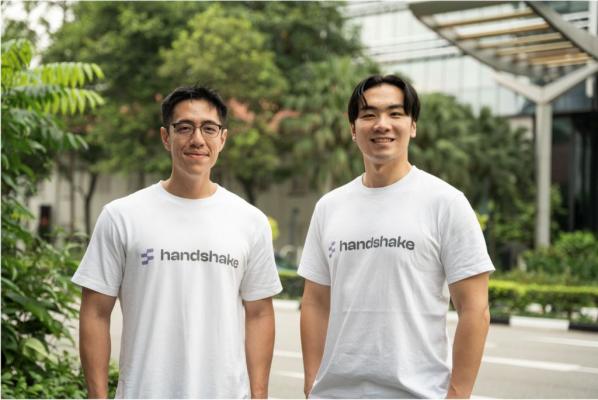
Handshake Finance Raih Pendanaan Pra-Seed S$500.000 untuk Perkuat Infrastruktur Escrow di Industri Jasa
-
 Rabu, 03 Juni 2026 | 13:49
VinRobotics Lakukan Debut Global Robot Humanoid “Make in Vietnam” di Ajang Teknologi Dunia Terkemuka
-
 Rabu, 03 Juni 2026 | 13:48
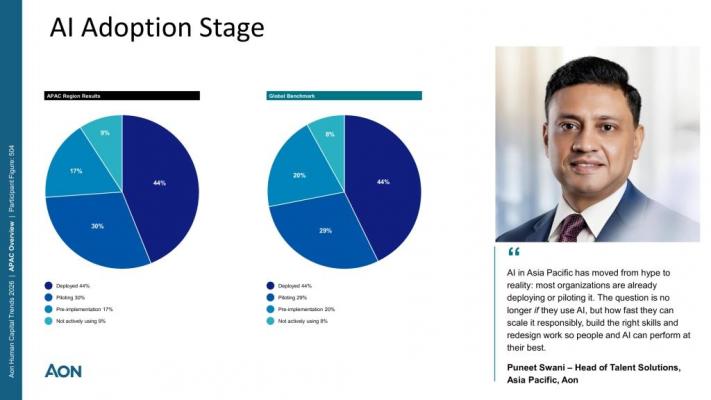
Studi Aon: Asia Pasifik Unggul dalam Adopsi AI, tetapi Masih Tertinggal dalam Kesiapan Tenaga Kerja
-
 Rabu, 03 Juni 2026 | 13:48
FOMO Pay Akan Hadirkan Layanan Penerimaan DuitNow QR di Singapura Menjelang Pembukaan RTS Link
-
-
 Rabu, 03 Juni 2026 | 13:45
iQX1 Luncurkan Platform HRMS Terpadu untuk Mengoptimalkan Pengelolaan Tenaga Kerja

-
-
-
 Sabtu, 30 Mei 2026 | 10:43
Dapatkan Tawaran RM6, Koleksi Eksklusif OREO & BTS dan POP MART di Shopee 6.6
-

-
 Sabtu, 30 Mei 2026 | 10:41
Peluncuran Terminal 2 Baru di Bandara Internasional Hong Kong Berjalan Sukses