Menu Website

- Home
- MediaOutReach
- New Research Revealed Effective Surgical Management Techniques for Gynecomastia in Asian Men, Resulting in High Patient Satisfaction

New Research Revealed Effective Surgical Management Techniques for Gynecomastia in Asian Men, Resulting in High Patient Satisfaction
Rabu, 03 Juni 2026 | 12:20

Between 2018 and 2023, Dr Ivan Puah treated over 550 cases, addressing unique challenges in Singapore's multi-ethnic population. His study included diverse case profiles. Results revealing no complications and high satisfaction prove the need to adapt surgical techniques for variations in skin type between Asian and Caucasian patients.
Dr Ivan Puah, Medical Director at Amaris B. Clinic and the lead researcher on a recent study, has offered new insights into treating gynecomastia, a condition characterised by male breast enlargement, in Singapore.
The research paper titled 'Surgical Management of Gynecomastia in Asian Men - Clinical Experience and Considerations for Different Patient Types' provides detailed, important considerations, including the management of the consultation process, addressing varying patient expectations, and tackling the surgical aspects necessary to achieve desired aesthetic outcomes.
Between 2018 and 2023, Dr Puah treated over 550 cases at Amaris B. Clinic and presented six representative patient cases that illustrate the demographics and unique challenges faced by this multi-ethnic Asian population.
The typical patient profiles included obese, overweight, and lean adults, as well as adolescents. Common causes of gynecomastia observed in the patients included hormonal changes during puberty, drug-induced gynecomastia from anabolic steroids, and conditions related to weight loss.
Dr Puah's proprietary surgical methods involve making a single incision along the areola to minimise scar visibility while effectively excising glandular tissue, performing liposuction to remove excess fat, and tightening the chest skin.
Six case studies of diverse gynecomastia patient profiles
|
Gynecomastia Grade
|
Demographic
|
Profile
|
|
Grade II
|
17-year-old Chinese
|
|
|
Grade II
|
18-year-old Chinese
|
|
|
Grade II
|
22-year-old Malay
|
|
|
Grade II
|
46-year-old Chinese
|
|
|
Grade IV
|
28-year-old Chinese
|
|
|
Grade IV
|
21-year-old Indian
|
|
At the 3-month follow-up after surgery, 5 of 6 patients reported no complications, highlighting the effectiveness of the tailored surgical approach. They expressed high satisfaction with the aesthetic results of the procedure, rating it a perfect 7 out of 7, and reported relief from emotional distress.
Only one patient experienced mild keloid formation at the edges of both areolae where incisions were made, which were not easily noticeable, and reported no complications or dissatisfaction.
Dr Ivan Puah emphasises, "It is important to adapt surgical techniques to address issues such as scarring and hyperpigmentation, which can be more pronounced in Asian patients due to their skin types. The differences in skin quality and glandular tissue characteristics between Asian and Caucasian patients with gynecomastia necessitate distinctions in treatment planning, particularly regarding careful incision placement."
The full paper is available via World Journal of Plastic Surgery at https://pmc.ncbi.nlm.nih.gov/articles/PMC12843043/
 https://www.amaris-b.com/
 https://www.linkedin.com/company/amaris-b.-clinic/
 https://www.facebook.com/AmarisBClinic/
 https://www.instagram.com/amarisbclinic/
 https://www.tiktok.com/@amarisbclinic
 https://www.youtube.com/amarisbclinic
BERITA LAINNYA
Sabtu, 27 Juni 2026 | 13:05


Sabtu, 27 Juni 2026 | 13:01

Sabtu, 27 Juni 2026 | 12:58

Sabtu, 27 Juni 2026 | 12:56
Sabtu, 27 Juni 2026 | 12:56
Sabtu, 27 Juni 2026 | 12:54
Sabtu, 27 Juni 2026 | 12:54

Sabtu, 27 Juni 2026 | 12:53
Sabtu, 27 Juni 2026 | 12:52

Jumat, 26 Juni 2026 | 10:07


BERIKAN KOMENTAR


-
 Sabtu, 27 Juni 2026 | 14:27
Flash Sports & Media, Inc. Ungkap Rencana Membangun Generasi Baru Liga Kriket T20
-
 Sabtu, 27 Juni 2026 | 14:25
Perbandingan Jajaran Laptop Razer Blade 2026: Blade 14 vs Blade 16 vs Blade 18
-
 Sabtu, 27 Juni 2026 | 14:24
OneGrowth 2026: China Telecom Gelar Konferensi Mitra Global, Sambut Era Berbagi Token AI
-
-
 Sabtu, 27 Juni 2026 | 14:23
InvestHK: 413 Perusahaan Ekspansi ke Hong Kong, Bawa Investasi HK$53 Miliar dan Ciptakan 8.600 Lapangan Kerja
-
 Sabtu, 27 Juni 2026 | 14:22
Hasil Tahun Fiskal 2025/2026 HONMA Golf Tetap Solid, Penjualan dan Laba Bersih Mencatat Peningkatan Signifikan

-
-
 Senin, 22 Juni 2026 | 11:57
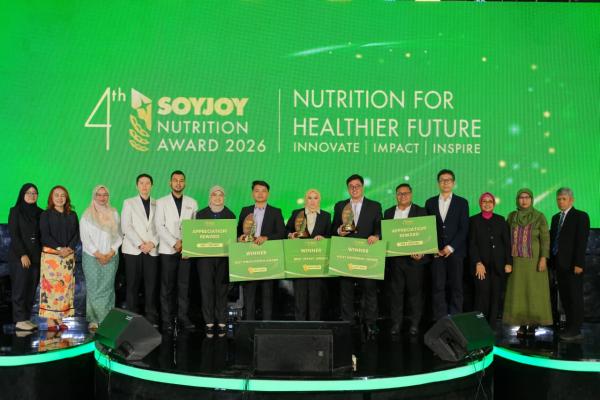
SOYJOY Nutrition Award 2026 Jangkau 96 Kota, Dorong Inovasi Ahli Gizi untuk Indonesia Lebih Sehat
-
-
 Senin, 22 Juni 2026 | 12:04
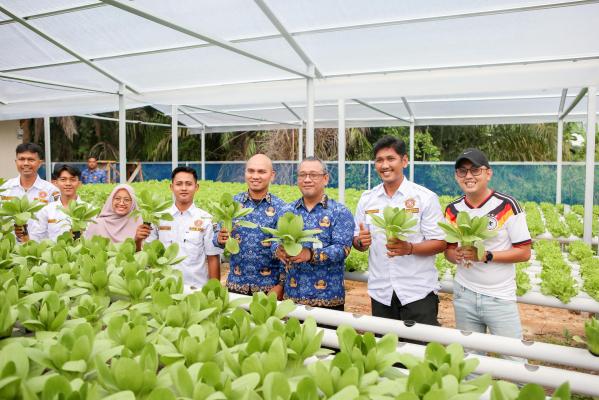
Sekda Dumai Ikuti Panen Sayuran Hidroponik Binaan Karang Taruna Kota Dumai
-
-