Menu Website

- Home
- Dunia
- Philippine Cigarette Tax Has Passed Its Revenue Peak as Illicit Trade Climbs to 24%, New CME Study Finds

Philippine Cigarette Tax Has Passed Its Revenue Peak as Illicit Trade Climbs to 24%, New CME Study Finds
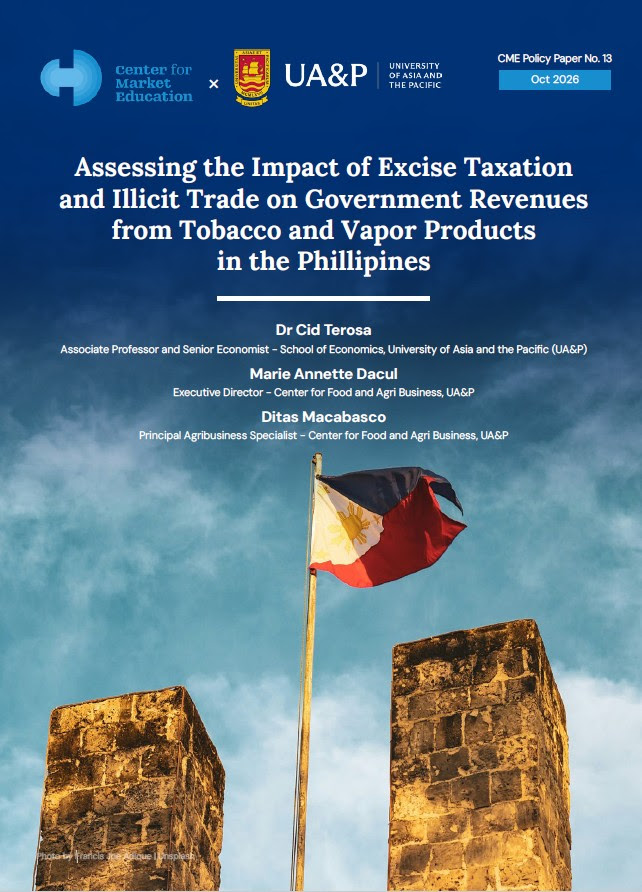
Policy Paper No. 13 estimates the revenue-maximising excise at ₱47.94 per pack, against today's ₱69.46, and calls for a pause on tax hikes paired with tougher enforcement
TUESDAY, 13 October 2026 - Successive cigarette excise increases in the Philippines may now be costing the government revenue rather than raising it, according to a new policy paper from the Center for Market Education (CME) (free download here: https://marketedu.me/wp-
Since the 2012 Sin Tax Reform Law, the Philippines has raised tobacco excise taxes almost every year. Republic Acts 10351, 11346 and 11467 progressively lifted rates on cigarettes, heated tobacco products and vapor products, with the aim of cutting smoking and funding public health programmes such as Universal Health Care.
For most of the past decade, the policy delivered on both counts: revenue rose and smoking prevalence fell. Since 2021, however, those twin gains have reversed. The Bureau of Internal Revenue has reported ₱40 billion in excise revenue lost to illicit trade between 2021 and 2024, and market estimates put the illicit share of cigarette sales above 20% nationally and as high as 90% in some regions.
The CME study asks whether tax rates have now entered a "prohibitive range", where further increases encourage evasion and undermine the very goals they were designed to serve. Its answer, based on fifteen years of market data, is that they likely have.
Key findings
The paper, Assessing the Impact of Excise Taxation and Illicit Trade on Government Revenues from Tobacco and Vapor Products in the Philippines, was written by Dr Cid Terosa, Marie Annette Dacul and Ditas Macabasco of the University of Asia and the Pacific (UA&P). It draws on official data on tax rates, removals and excise collections, supplemented by Euromonitor illicit trade estimates.
Cigarette excise collections rose more than fivefold, from ₱32 billion in 2012 to a peak of ₱174 billion in 2021. They have since fallen to ₱122.2 billion in 2025, even as statutory rates kept rising. Over the same years, the illicit share of the cigarette market grew from 6.45% in 2011 to 24.06% in 2025, while legal removals halved from 90.7 billion sticks in 2014 to 45.1 billion.
The study's main results:
- - Past the revenue peak. A Laffer Curve analysis puts the revenue-maximising rate at about ₱47.94 per pack (₱2.40 per stick), well below the statutory ₱69.46 as of June 2026. Beyond that point, each extra peso of tax is outweighed by lost legal sales.
- - Prices feed the black market. In the long run, a permanent ₱1 rise in the real price per stick is associated with a 2.35 percentage point gain in illicit market share.
- - A two-year window. The illicit market adjusts gradually: about half of the response comes within a year and the full effect within roughly two years, giving enforcers time to act after any tax change.
- - Taxes and smuggling compound each other. At average conditions, a 10% rise in illicit share cuts legal sales by 2.31%, and a 10% rise in real retail price cuts them by 3.67%. Together, the effect is larger than the sum of the two.
- - Vape tax gap. Nicotine salt is taxed at ₱60.20/ml against ₱6.95/ml for freebase nicotine in 2026, an 8.7-fold gap that invites misclassification. Forgone vapor excise from 2020 to 2025 is estimated at ₱14.0-20.5 billion. A single rate of ₱10/ml could lift collections by about 18%, to ₱2.7 billion.
The Laffer Curve results put peak cigarette excise collections at about ₱157.72 billion once the market's structural shift is accounted for. The authors say this is consistent with what the official figures already show: collections falling after 2021 even as statutory rates continued to climb.
The study also finds that the legal market is becoming more sensitive to price as contraband spreads. When illicit share was at its 2011 low, smokers who faced a higher legal price had few cheap alternatives. With roughly one in four sticks now illicit, each new price increase pushes more buyers out of the tax-paid market, so every successive hike yields less revenue than the last.
Illicit trade was also linked to a larger adult smoker population, suggesting cheap contraband undermines the health goals that tobacco taxes are meant to serve.
Across the fifteen-year period, illicit trade penetration showed a strong positive correlation with the adult smoker population (r = 0.791). The authors caution that this is an association, not proof of cause, and call for more behavioural data to confirm it.
Enforcement has risen but has not kept pace. The number of Bureau of Customs seizure operations climbed alongside illicit trade (r = 0.833), yet the estimated value of seized cigarettes showed no significant link to the size of the illicit market. In other words, more raids have not translated into a proportionate dent in the trade.
Recommendations
Raising cigarette taxes further will not bring in more money while one in four sticks escapes the tax net. Stabilising rates and investing in enforcement now is the surest way to protect both revenue and public health," said Dr Cid Terosa, Associate Professor and Senior Economist at the UA&P School of Economics.
The authors set out four policy priorities:
- - Stabilise tax rates. Adopt an immediate administrative moratorium or a cap on nominal increases. Inflation would then gradually bring the real excise rate back toward the revenue-maximising zone, restoring price parity with illicit cigarettes and slowing the loss of legal retail volume.
- - Protect the legal tax base. Form a dynamic, multi-agency task force to track illicit market share in real time. Illicit-share metrics could become formal policy triggers, allowing statutory hikes only when contraband falls below an agreed threshold. A fixed share of incremental sin tax revenue should be earmarked for anti-smuggling programmes, including wider use of non-intrusive container scanning at major ports.
- - Keep vapor taxation coherent. Simplify vape tax tiers where they create needless complexity and room for classification arbitrage, while keeping a measured differential between combustible cigarettes and demonstrably lower-risk alternatives. This should rest on credible product verification, transparent labelling, testing and traceability, and efficient customs procedures, so that legal lower-risk products can compete with both cigarettes and contraband.
- - Enforce ahead of the market. Move from reactive to pre-emptive enforcement: tighten physical border controls against maritime smuggling, audit domestic supply chains for counterfeit tax stamps, and roll out digital track-and-trace and retail licensing to raise the cost of illegal distribution. Because illicit networks take about two years to fully exploit a tax-driven price rise, the period straight after any tax change should see intensive retail audits, market monitoring and warehouse inspections.
The paper's international benchmarking supports this mix. Countries with the strongest fiscal and public health results from tobacco excise pair coherent, predictable tax design with integrated digital track-and-trace, coordinated inter-agency enforcement and end-to-end supply-chain monitoring. Many that tax vapor products have also moved toward simple specific taxes based on measurable features such as e-liquid volume.
The vape tax gap is a clear example of how complexity rewards evasion. A simpler, unified rate backed by proper product verification would close the loophole and could raise more revenue, not less," said Marie Annette Dacul, Executive Director of the Center for Food and Agri Business at UA&P.
The authors conclude that tax policy, revenue, public health and illicit trade can no longer be treated separately. Tax hikes in the face of an active illicit market bring diminishing returns for the treasury, and for health if smokers simply switch to cheaper, unregulated products.
About the paper. CME Policy Paper No. 13 (October 2026) uses ARDL-UECM time-series models, an interaction model and a Laffer Curve analysis, alongside international benchmarking. The authors note that Euromonitor illicit trade estimates rest on a proprietary method and should be read as directional, and that readers should weigh the findings with CME's market-oriented perspective in mind.
About the authors. Dr Cid Terosa is Associate Professor and Senior Economist at the School of Economics, University of Asia and the Pacific (UA&P). Marie Annette Dacul is Executive Director, and Ditas Macabasco is Principal Agribusiness Specialist, at UA&P's Center for Food and Agri Business.
For media inquiries: centerformarketeducation@
About CME: The Center for Market Education (CME) is a think-firm with offices in Kuala Lumpur, Malaysia, and Jakarta, Indonesia.
Blending the intellectual drive of a think tank with the operational rigor of a consulting firm, CME delivers expert business advisory services, economic and policy analysis, and tailored capacity-building programs.
We support international companies seeking to enter Southeast Asian markets by providing in-depth market intelligence, strategic business-model guidance, and legal and institutional support. Alongside this, CME engages in policy research and advocacy aimed at fostering a more business-friendly environment grounded in innovation, openness, and free-trade principles.
CME also designs and delivers customized events and training programs for academics, business leaders, and diplomats, developing economics modules specifically adapted to the needs and objectives of each audience.
📢 Publisir Berita & Kegiatan Instansi Anda di RiauGreen
Jangkau pembaca luas & terindeks Google News. Pilih paket rilis pers, advertorial, atau kemitraan media.
BERITA LAINNYA










BERIKAN KOMENTAR


-
 Selasa, 13 Oktober 2026 | 11:44
Green Pedagogy di Riau: Ketika Sekolah Menjadi Ruang Belajar untuk Menjaga Lingkungan
-
Selasa, 13 Oktober 2026 | 11:37
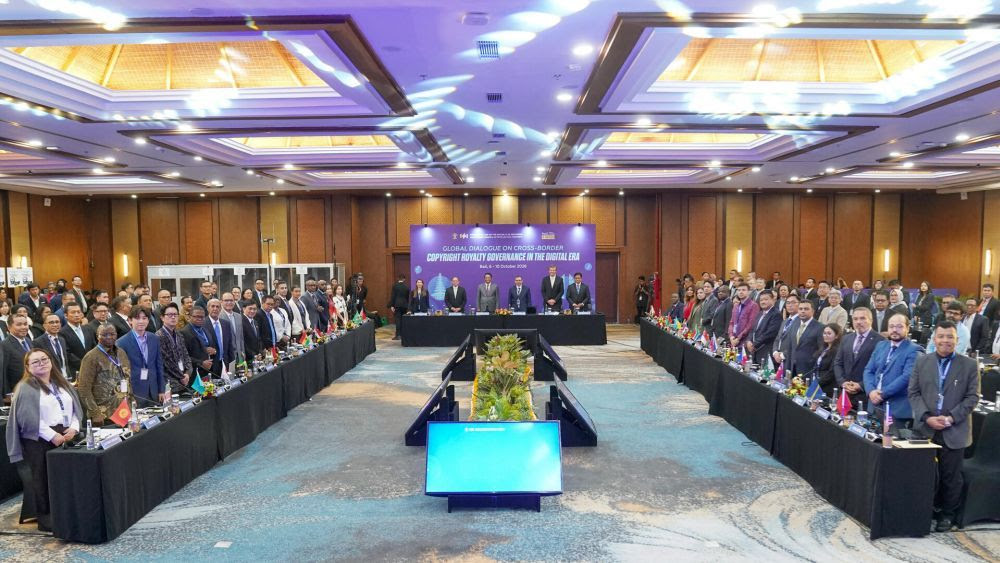
Indonesia Urges Greater Transparency in Cross-Border Copyright Royalty Governance Before 35 Countries
-
Selasa, 13 Oktober 2026 | 11:34
Philippine Cigarette Tax Has Passed Its Revenue Peak as Illicit Trade Climbs to 24%, New CME Study Finds
-

-
 Selasa, 13 Oktober 2026 | 11:29
Wawako Sugiyarto Apresiasi Pengabdian Komjen Pol Herry Heryawan di Bumi Lancang Kuning
-


-
 Rabu, 07 Oktober 2026 | 14:05
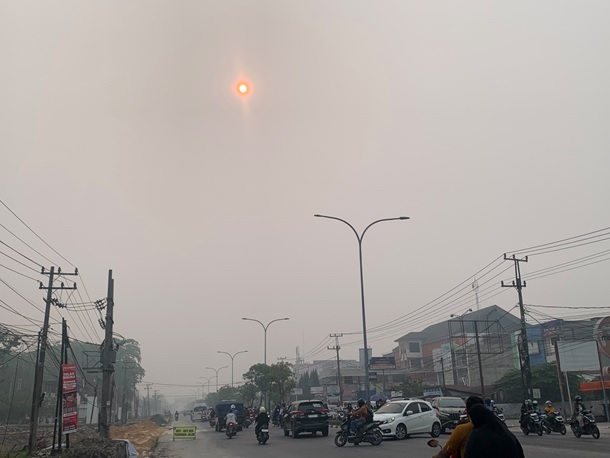
Kabut Asap Kembali Pekat, Siswa PAUD hingga SMP di Pekanbaru Belajar Daring
-
 Rabu, 07 Oktober 2026 | 14:01
Ketika Kabut Asap Masuk ke Ruang Kelas: Pentingnya Pedagogi Hijau bagi Sekolah di Riau
-
-
 Selasa, 06 Oktober 2026 | 16:36
Pererat Silaturahmi, Kapolres Inhil Bersama KKSS, IPSS dan IWO Riau Sepakat Jaga Kamtibmas
-
 Sabtu, 10 Oktober 2026 | 10:42
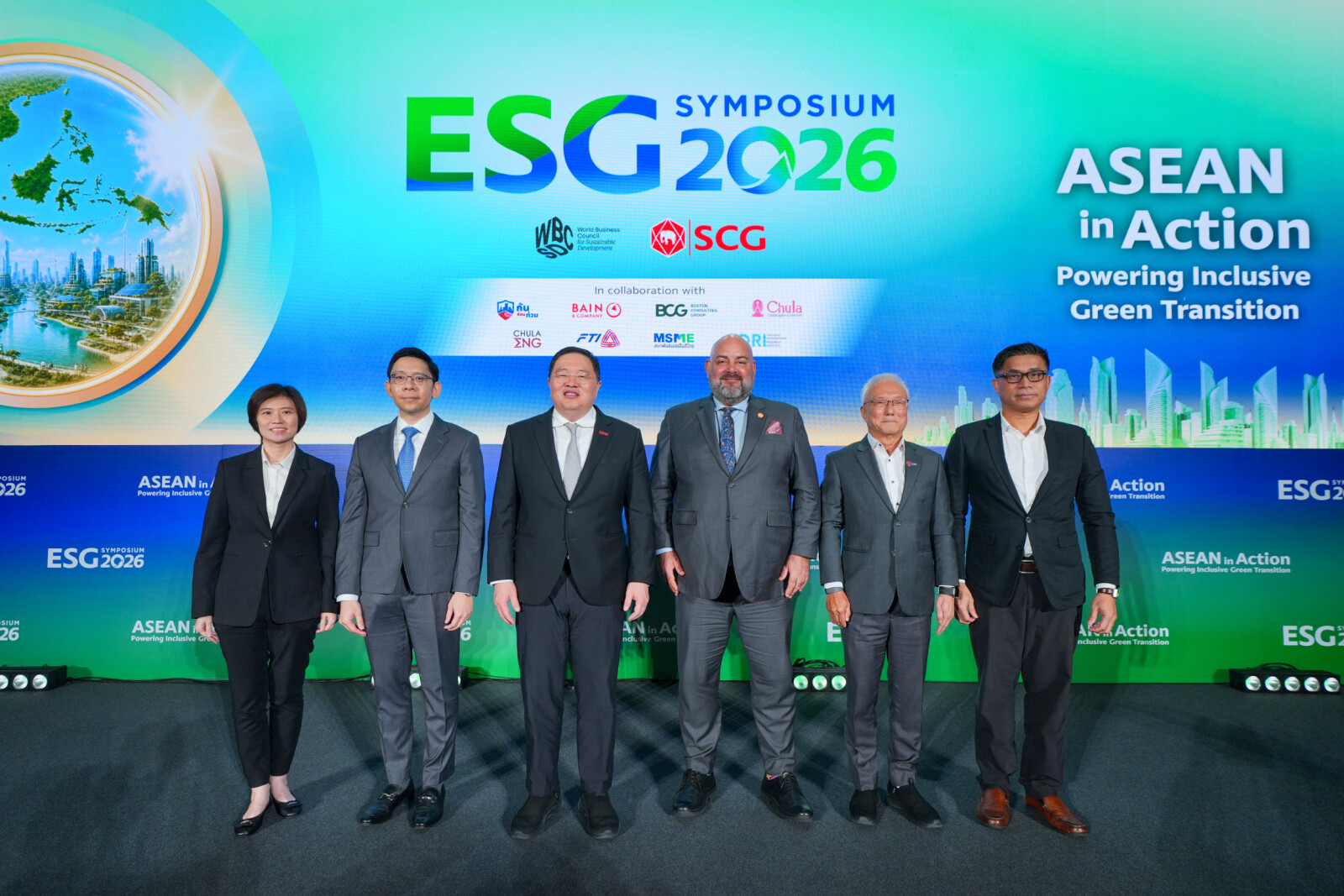
Gorilla Advances U.S. Market Entry with Proposed 36 MW Data Centre Acquisition and 100+ MW AI Infrastructure Expansion Plan
-
 Rabu, 07 Oktober 2026 | 10:36
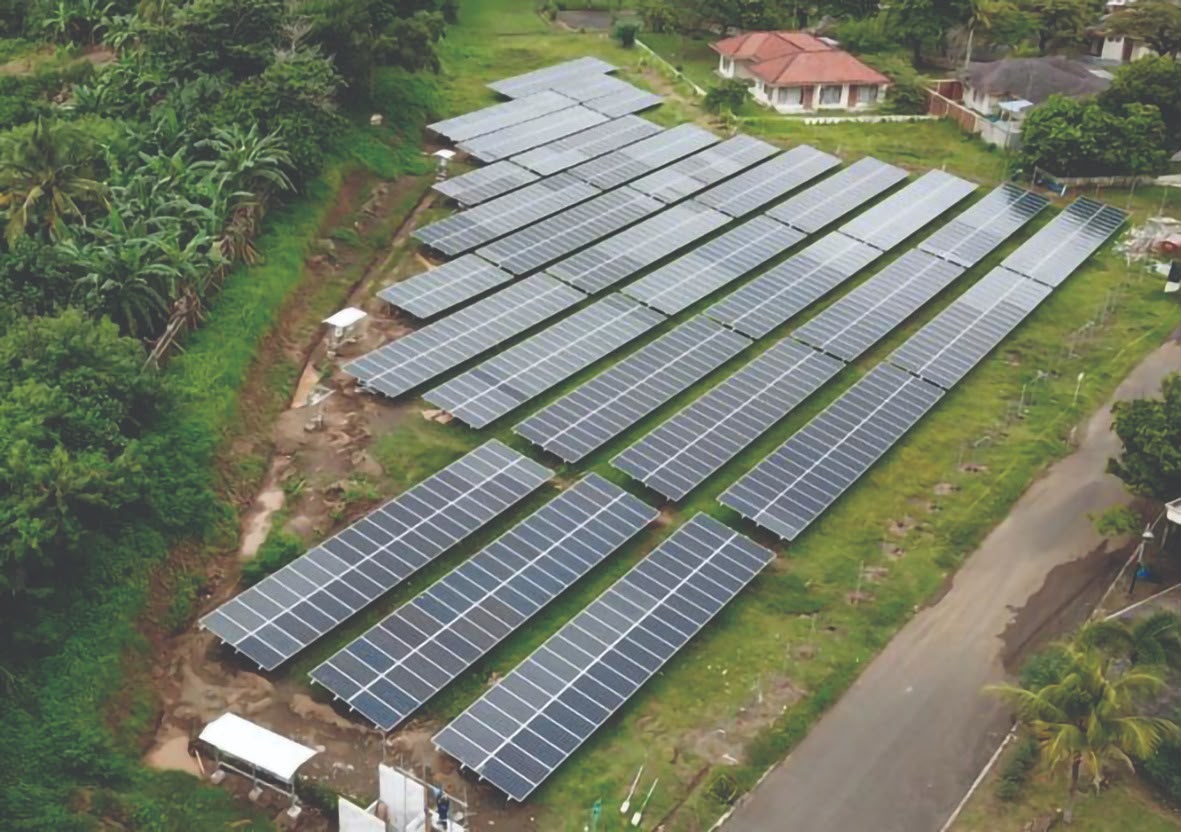
Pertamina Patra Niaga Kilang Dumai Jaga Keandalan Operasi Lewat Optimalisasi PLTS 3,77 MWp