Menu Website

- Home
- MediaOutReach
- SIM Highlights the Importance of University Networks in Higher Education Decisions

SIM Highlights the Importance of University Networks in Higher Education Decisions
Senin, 29 Juni 2026 | 17:07
SINGAPORE -
Media OutReach Newswire
- 29 June 2026 - As students and families evaluate higher education
options, academic quality and programme offerings remain central
considerations. However, there is growing recognition that the
university experience extends beyond formal learning, with student
wellbeing, peer engagement and career development increasingly
influencing decision-making.
In a rapidly evolving employment landscape, higher education institutions are expected not only to provide academic knowledge but also to support students in developing the relationships and networks that can contribute to personal growth and professional readiness.
The Role of Peer Connections in Student Development
University friendships often form an important part of the student experience. Developed through classes, group projects, student organisations, volunteering initiatives and campus activities, these relationships can provide a sense of community and belonging throughout a student's academic journey.
Research has consistently highlighted the role of peer support in student engagement, wellbeing and academic persistence. Strong social connections can help students adapt to new learning environments, navigate challenges and participate more actively in campus life. For international students in particular, peer networks often play an important role in easing cultural transitions and fostering inclusion.
Beyond graduation, these relationships frequently evolve into long-term personal and professional networks that continue to provide support throughout different stages of life and career development.
Professional Networks and Career Readiness
Alongside peer relationships, professional networks have become an increasingly important component of higher education. Connections with alumni, faculty members, career advisors, employers and industry practitioners can provide students with valuable insights into workplace expectations, emerging industry trends and potential career pathways.
Such interactions help bridge the gap between academic learning and employment by exposing students to real-world perspectives and opportunities. Early engagement with industry networks can also support career planning, mentorship and professional development, equipping students with a deeper understanding of the skills and competencies required in the workforce.
As employers place greater emphasis on workplace readiness and transferable skills, access to professional networks can complement academic qualifications and enhance graduates' ability to navigate competitive labour markets.
Integrating Student Life and Career Development
Many higher education institutions are responding to evolving student expectations by adopting a more holistic approach to education. This includes creating opportunities for students to engage in co-curricular activities, leadership development programmes, community initiatives and career-related experiences alongside their academic studies.
At SIM Global Education (SIM GE), student engagement initiatives and career development resources form part of a broader ecosystem designed to support both personal and professional growth. Through student clubs, leadership opportunities and career advisory services, students can build interpersonal skills, expand their networks and explore future career possibilities throughout their studies.
For prospective students comparing higher education options, the question is not whether university friendships or professional networks matter more. Both are important. University friends provide belonging, encouragement and shared experiences, while professional networks provide exposure, guidance and access to future opportunities. In an education environment where students are increasingly conscious of wellbeing, employability and return on education, institutions that integrate student life, career development and holistic support are better positioned to meet evolving expectations. A meaningful higher education experience is shaped not only by qualifications, but also by the relationships, confidence and networks that students carry forward.
Looking Ahead
As higher education continues to evolve, students are increasingly seeking learning environments that support both academic achievement and broader developmental outcomes. While qualifications remain important, the relationships, experiences and networks developed during university can also play a significant role in shaping future opportunities.
For prospective students, evaluating higher education options may therefore involve looking beyond curriculum and rankings to consider how institutions foster community, professional engagement and personal development. Together, these elements contribute to a more holistic educational experience and can support students as they prepare for the next stage of their academic, professional and personal journeys.
Reference:
 https://www.sim.edu.sg/
In a rapidly evolving employment landscape, higher education institutions are expected not only to provide academic knowledge but also to support students in developing the relationships and networks that can contribute to personal growth and professional readiness.
The Role of Peer Connections in Student Development
University friendships often form an important part of the student experience. Developed through classes, group projects, student organisations, volunteering initiatives and campus activities, these relationships can provide a sense of community and belonging throughout a student's academic journey.
Research has consistently highlighted the role of peer support in student engagement, wellbeing and academic persistence. Strong social connections can help students adapt to new learning environments, navigate challenges and participate more actively in campus life. For international students in particular, peer networks often play an important role in easing cultural transitions and fostering inclusion.
Beyond graduation, these relationships frequently evolve into long-term personal and professional networks that continue to provide support throughout different stages of life and career development.
Professional Networks and Career Readiness
Alongside peer relationships, professional networks have become an increasingly important component of higher education. Connections with alumni, faculty members, career advisors, employers and industry practitioners can provide students with valuable insights into workplace expectations, emerging industry trends and potential career pathways.
Such interactions help bridge the gap between academic learning and employment by exposing students to real-world perspectives and opportunities. Early engagement with industry networks can also support career planning, mentorship and professional development, equipping students with a deeper understanding of the skills and competencies required in the workforce.
As employers place greater emphasis on workplace readiness and transferable skills, access to professional networks can complement academic qualifications and enhance graduates' ability to navigate competitive labour markets.
Integrating Student Life and Career Development
Many higher education institutions are responding to evolving student expectations by adopting a more holistic approach to education. This includes creating opportunities for students to engage in co-curricular activities, leadership development programmes, community initiatives and career-related experiences alongside their academic studies.
At SIM Global Education (SIM GE), student engagement initiatives and career development resources form part of a broader ecosystem designed to support both personal and professional growth. Through student clubs, leadership opportunities and career advisory services, students can build interpersonal skills, expand their networks and explore future career possibilities throughout their studies.
For prospective students comparing higher education options, the question is not whether university friendships or professional networks matter more. Both are important. University friends provide belonging, encouragement and shared experiences, while professional networks provide exposure, guidance and access to future opportunities. In an education environment where students are increasingly conscious of wellbeing, employability and return on education, institutions that integrate student life, career development and holistic support are better positioned to meet evolving expectations. A meaningful higher education experience is shaped not only by qualifications, but also by the relationships, confidence and networks that students carry forward.
Looking Ahead
As higher education continues to evolve, students are increasingly seeking learning environments that support both academic achievement and broader developmental outcomes. While qualifications remain important, the relationships, experiences and networks developed during university can also play a significant role in shaping future opportunities.
For prospective students, evaluating higher education options may therefore involve looking beyond curriculum and rankings to consider how institutions foster community, professional engagement and personal development. Together, these elements contribute to a more holistic educational experience and can support students as they prepare for the next stage of their academic, professional and personal journeys.
Reference:
- SIM Global Education Overview - https://www.sim.edu.sg/degrees-diplomas/sim-global-education/university-partners-sim-ge/sim-ge
- SIM CCA - https://www.sim.edu.sg/degrees-diplomas/life-at-sim/co-curricular-activities
- SIM Project 1095 - https://project1095.simge.edu.sg
- SIM Student Life - https://project1095.simge.edu.sg/student-life
- SIM Student Care - https://project1095.simge.edu.sg/student-care
- SIM Career Services - https://www.sim.edu.sg/degrees-diplomas/life-at-sim/career-services
- SIM Advantage - https://www.sim.edu.sg/degrees-diplomas/sim-global-education/sim-advantage
- NDPI Peer Support - https://www.mdpi.com/2227-7102/15/5/602
https://www.sim.edu.sg/BERITA LAINNYA

Senin, 29 Juni 2026 | 17:47
Senin, 29 Juni 2026 | 17:19
Senin, 29 Juni 2026 | 17:17

Senin, 29 Juni 2026 | 17:16
Senin, 29 Juni 2026 | 17:15
Senin, 29 Juni 2026 | 17:11
Senin, 29 Juni 2026 | 17:10
Senin, 29 Juni 2026 | 17:07
Senin, 29 Juni 2026 | 17:07


BERIKAN KOMENTAR


-
-
-
Senin, 29 Juni 2026 | 17:17
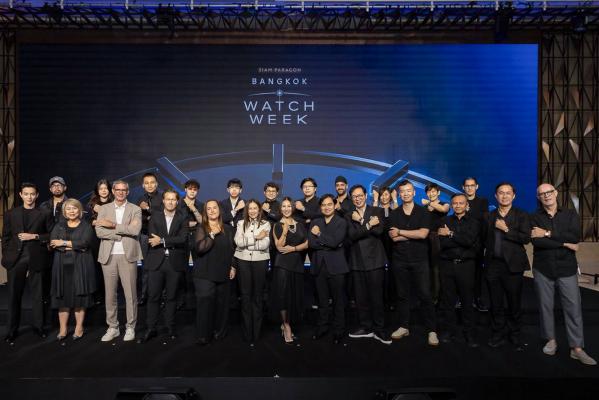
Siam Paragon Creates A World-Class Horological Benchmark With "Siam Paragon Bangkok Watch Week 2026"
-
Senin, 29 Juni 2026 | 17:16
The Work Project to Open Third London Location at UK's Largest Net Zero Office Development

-
-
-
 Sabtu, 27 Juni 2026 | 14:23
InvestHK: 413 Perusahaan Ekspansi ke Hong Kong, Bawa Investasi HK$53 Miliar dan Ciptakan 8.600 Lapangan Kerja
-
 Sabtu, 27 Juni 2026 | 14:24
OneGrowth 2026: China Telecom Gelar Konferensi Mitra Global, Sambut Era Berbagi Token AI
-
 Sabtu, 27 Juni 2026 | 14:22
Hasil Tahun Fiskal 2025/2026 HONMA Golf Tetap Solid, Penjualan dan Laba Bersih Mencatat Peningkatan Signifikan
-