Menu Website

- Home
- MediaOutReach
- SIM Highlights the Importance of Strong Personal Statements in University Applications

SIM Highlights the Importance of Strong Personal Statements in University Applications
Senin, 22 Juni 2026 | 11:17
SINGAPORE -
Media OutReach Newswire
- 22 June 2026 - In today's competitive education landscape, students
are increasingly expected to do more than simply meet academic admission
requirements. Education advisors say that writing a strong personal
statement for university applications is becoming similar to crafting a
compelling CV for a job application. While qualifications and grades may
help applicants meet eligibility criteria, a personal statement allows
prospective students to communicate their motivations, experiences, and
aspirations beyond academic results.
Preparing Students Beyond Admissions
Over at the Singapore Institute of Management, most programmes primarily assess applicants based on academic qualifications and programme specific eligibility requirements. However, selected postgraduate programmes, such as the University of Birmingham Master of Business Administration offered at SIM, may require applicants to submit a Statement of Purpose as part of the admissions process. Even for programmes where a personal statement is not mandatory, education experts suggest that submitting one can still strengthen an application by providing additional context about the applicant's interests, goals, and readiness for higher education.
Tips for Writing a Strong Personal Statement
According to guidance from the University of Birmingham, a strong personal statement should clearly communicate an applicant's motivation, interests, and suitability for the programme. Admissions tutors note that the opening section is particularly important, as it creates the first impression and helps establish the applicant's enthusiasm and direction.
Education experts also recommend that applicants explain how their academic background, professional experiences, and personal achievements have shaped their interest in the chosen field of study. Relevant experiences such as internships, leadership roles, volunteer work, and professional accomplishments can help demonstrate initiative, growth, and readiness for higher education. Rather than simply listing activities, applicants should reflect on what they learned from these experiences and how they contributed to their personal development.
The University of Birmingham further advises students to avoid overly generic statements and instead tailor their applications to the specific programme they are applying for. Demonstrating an understanding of the programme structure, learning outcomes, and career relevance can help strengthen the application, particularly for postgraduate programmes such as the MBA.
Authenticity is another important factor highlighted by university admissions advisors. Applicants are encouraged to present a genuine reflection of their interests, ambitions, and experiences rather than relying on exaggerated language or generic phrases. In terms of structure, admissions guidance generally recommends presenting information in a clear and organised manner. A strong personal statement typically includes an introduction outlining academic or professional interests, relevant experiences and achievements, career aspirations, and reasons for choosing the programme. Applicants should also proofread carefully to ensure clarity, grammatical accuracy, and consistency throughout the document.
Reference:
https://www.sim.edu.sg/
Preparing Students Beyond Admissions
Over at the Singapore Institute of Management, most programmes primarily assess applicants based on academic qualifications and programme specific eligibility requirements. However, selected postgraduate programmes, such as the University of Birmingham Master of Business Administration offered at SIM, may require applicants to submit a Statement of Purpose as part of the admissions process. Even for programmes where a personal statement is not mandatory, education experts suggest that submitting one can still strengthen an application by providing additional context about the applicant's interests, goals, and readiness for higher education.
Tips for Writing a Strong Personal Statement
According to guidance from the University of Birmingham, a strong personal statement should clearly communicate an applicant's motivation, interests, and suitability for the programme. Admissions tutors note that the opening section is particularly important, as it creates the first impression and helps establish the applicant's enthusiasm and direction.
Education experts also recommend that applicants explain how their academic background, professional experiences, and personal achievements have shaped their interest in the chosen field of study. Relevant experiences such as internships, leadership roles, volunteer work, and professional accomplishments can help demonstrate initiative, growth, and readiness for higher education. Rather than simply listing activities, applicants should reflect on what they learned from these experiences and how they contributed to their personal development.
The University of Birmingham further advises students to avoid overly generic statements and instead tailor their applications to the specific programme they are applying for. Demonstrating an understanding of the programme structure, learning outcomes, and career relevance can help strengthen the application, particularly for postgraduate programmes such as the MBA.
Authenticity is another important factor highlighted by university admissions advisors. Applicants are encouraged to present a genuine reflection of their interests, ambitions, and experiences rather than relying on exaggerated language or generic phrases. In terms of structure, admissions guidance generally recommends presenting information in a clear and organised manner. A strong personal statement typically includes an introduction outlining academic or professional interests, relevant experiences and achievements, career aspirations, and reasons for choosing the programme. Applicants should also proofread carefully to ensure clarity, grammatical accuracy, and consistency throughout the document.
Reference:
- SIM Application Process - https://www.sim.edu.sg/degrees-diplomas/admissions/application-process
- What makes a great personal statement - https://www.birmingham.ac.uk/accessibility/transcripts/personal-statement
- How to write a statement for MBA - https://www.inspirafutures.com/blog/how-to-write-a-statement-of-purpose-for-mba-admission
- MBA Statement of Purpose Examples - https://bemoacademicconsulting.com/blog/mba-statement-of-purpose-example
https://www.sim.edu.sg/
BERITA LAINNYA
Senin, 22 Juni 2026 | 11:24

Senin, 22 Juni 2026 | 11:18

Senin, 22 Juni 2026 | 11:17
Senin, 22 Juni 2026 | 11:17
Senin, 22 Juni 2026 | 11:16
Sabtu, 20 Juni 2026 | 14:37

Sabtu, 20 Juni 2026 | 14:31

Sabtu, 20 Juni 2026 | 14:13

Jumat, 19 Juni 2026 | 20:34

Jumat, 19 Juni 2026 | 11:31
Jumat, 19 Juni 2026 | 11:31


BERIKAN KOMENTAR


-

-
 Senin, 22 Juni 2026 | 12:09
Pemko Dumai Bersama Diskominfo dan Provider Lakukan Penataan Massal Kabel FO Jalur Protokol
-
 Senin, 22 Juni 2026 | 12:07
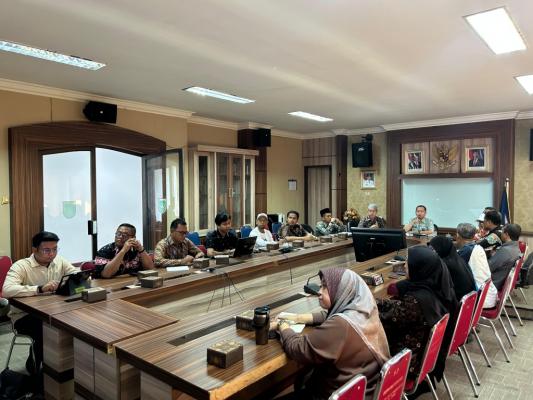
Pemko Dumai Gelar Rapat Teknis Penguatan Kafilah dalam Persiapan MTQ ke-XLIV Tingkat Provinsi Riau
-
-
 Senin, 22 Juni 2026 | 12:04
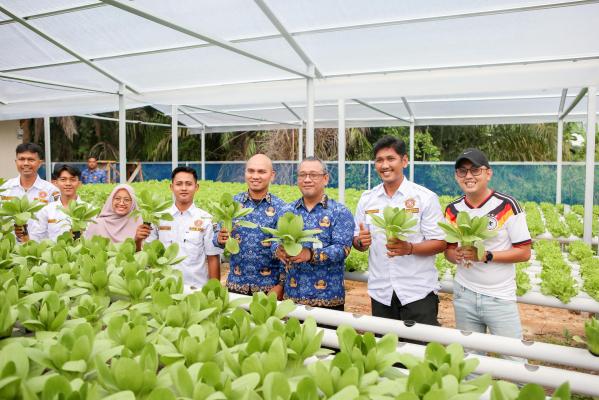
Sekda Dumai Ikuti Panen Sayuran Hidroponik Binaan Karang Taruna Kota Dumai
-

-
-
 Jumat, 19 Juni 2026 | 12:53
AgResults Berikan Rp 23 Miliar kepada Pemenang Kompetisi Akuakultur Berbasis Teknologi Budi Daya Inovatif dan
-
 Jumat, 19 Juni 2026 | 12:50
Eco Echo Trail Run 2026 - Kolaborasi Apik Gandeng Pelari Selamatkan Benteng Terakhir Gajah Sumatra
-
-
Sabtu, 20 Juni 2026 | 14:37
Successful debut of International Symposium on Emergency Response and Aeromedical Services in Hong Kong
-
 Jumat, 19 Juni 2026 | 20:35
ZEEKR Tembus 800.000 Pengiriman Global, Perkenalkan Strategi Ekspansi Global untuk Dua Flagship Seri 9