Menu Website

- Home
- MediaOutReach
- Student bonds are built at SIM from orientation to graduation

Student bonds are built at SIM from orientation to graduation
Rabu, 22 April 2026 | 08:47
SINGAPORE -
Media OutReach Newswire
- 22 April 2026 - As universities adapt to hybrid learning and evolving
workforce expectations, student relationships are increasingly being
treated not as incidental, but as a designed part of the education
journey. Across higher education, there is growing recognition that peer
interaction, collaboration, and shared experiences contribute to how
students learn, work, and transition into employment. This shift is
prompting institutions to rethink how engagement is built from the
moment students enter campus through to graduation.
From Orientation to a Continuous Student Journey
Orientation programmes have traditionally focused on introducing students to campus life. Today, they are increasingly seen as the starting point of a longer engagement model. Institutions such as the Singapore Institute of Management (SIM), onboarding is complemented by a structured ecosystem of activities that extends throughout the academic lifecycle. These include Student‑led Student Club Recruitment drives,, leadership camps, and peer-led initiatives that encourage early interaction and sustained participation over time.
Building Bonds Through Shared Experiences
Rather than relying solely on informal social interaction, universities or institutions are creating structured environments where students collaborate regularly. SIM, for instance, offers more than 70 student clubs spanning arts, sports, and academic interests, alongside activities such as hackathons, overseas community projects, and student-led events. Such platforms allow students to work together on common goals, reflecting real-world team dynamics and reinforcing skills such as communication and collaboration.
Learning Beyond the Classroom
The concept of student life is also expanding beyond academic settings. Dedicated platforms such as SIM's Student Life initiatives are designed to provide a more holistic campus experience, reinforcing the idea that learning extends beyond formal instruction. At the same time, academic support systems such as the Student Learning Centre provide structured assistance through workshops, consultations, and learning resources, supporting both individual and group learning processes.
A Diverse and Global Learning Environment
With partnerships across universities in the United Kingdom, Australia, Europe, and the United States, institutions like SIM bring together students from varied cultural and academic backgrounds. This diversity creates opportunities for cross-cultural collaboration, which is increasingly relevant in a globalised workforce.
Connecting Student Experience to Career Outcomes
The emphasis on collaboration and engagement is also closely linked to employability. SIM's broader model integrates academic programmes with industry partnerships, internships, and career services aimed at preparing students for a rapidly changing work environment. This reflects a wider trend in higher education, where experience is being designed not only around academic achievement, but also around the development of professional networks and workplace skills.
Redefining the University Experience
As learning models continue to evolve, universities or institutions are placing greater emphasis on how student interactions are structured over time. From orientation activities to co-curricular engagement and career preparation, the journey from enrolment to graduation is increasingly being shaped as a continuous pathway for collaboration, experience-building, and network development.
Reference:
https://www.sim.edu.sg/
From Orientation to a Continuous Student Journey
Orientation programmes have traditionally focused on introducing students to campus life. Today, they are increasingly seen as the starting point of a longer engagement model. Institutions such as the Singapore Institute of Management (SIM), onboarding is complemented by a structured ecosystem of activities that extends throughout the academic lifecycle. These include Student‑led Student Club Recruitment drives,, leadership camps, and peer-led initiatives that encourage early interaction and sustained participation over time.
Building Bonds Through Shared Experiences
Rather than relying solely on informal social interaction, universities or institutions are creating structured environments where students collaborate regularly. SIM, for instance, offers more than 70 student clubs spanning arts, sports, and academic interests, alongside activities such as hackathons, overseas community projects, and student-led events. Such platforms allow students to work together on common goals, reflecting real-world team dynamics and reinforcing skills such as communication and collaboration.
Learning Beyond the Classroom
The concept of student life is also expanding beyond academic settings. Dedicated platforms such as SIM's Student Life initiatives are designed to provide a more holistic campus experience, reinforcing the idea that learning extends beyond formal instruction. At the same time, academic support systems such as the Student Learning Centre provide structured assistance through workshops, consultations, and learning resources, supporting both individual and group learning processes.
A Diverse and Global Learning Environment
With partnerships across universities in the United Kingdom, Australia, Europe, and the United States, institutions like SIM bring together students from varied cultural and academic backgrounds. This diversity creates opportunities for cross-cultural collaboration, which is increasingly relevant in a globalised workforce.
Connecting Student Experience to Career Outcomes
The emphasis on collaboration and engagement is also closely linked to employability. SIM's broader model integrates academic programmes with industry partnerships, internships, and career services aimed at preparing students for a rapidly changing work environment. This reflects a wider trend in higher education, where experience is being designed not only around academic achievement, but also around the development of professional networks and workplace skills.
Redefining the University Experience
As learning models continue to evolve, universities or institutions are placing greater emphasis on how student interactions are structured over time. From orientation activities to co-curricular engagement and career preparation, the journey from enrolment to graduation is increasingly being shaped as a continuous pathway for collaboration, experience-building, and network development.
Reference:
- Project 1095 - https://project1095.simge.edu.sg/
- Singapore Institute of Management – https://www.sim.edu.sg
- SIM Global Education Overview - https://www.sim.edu.sg/degrees-diplomas/overview
https://www.sim.edu.sg/
BERITA LAINNYA
Rabu, 22 April 2026 | 08:46

Selasa, 21 April 2026 | 21:26
Selasa, 21 April 2026 | 21:25
Selasa, 21 April 2026 | 21:24
Selasa, 21 April 2026 | 21:21
Selasa, 21 April 2026 | 21:20
Selasa, 21 April 2026 | 21:19
Selasa, 21 April 2026 | 21:18
Selasa, 21 April 2026 | 21:17

BERIKAN KOMENTAR


-
 Rabu, 22 April 2026 | 14:35
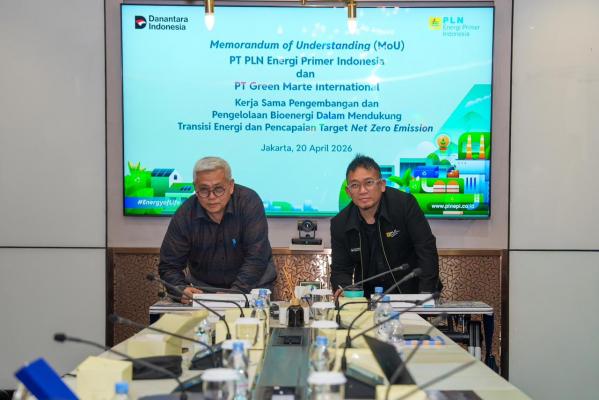
PLN EPI Gandeng Green Marte Olah Sampah Jadi Energi, Ketahanan Energi Berasal Dari Sirkular Ekonomi
-
 Rabu, 22 April 2026 | 10:58
BPK Sampaikan Hasil Pemeriksaan Ketahanan Pangan dan Pembangunan Manusia dalam IHPS II Tahun 2025
-
 Rabu, 22 April 2026 | 10:36
Tropicana Twister Membangun Rumah yang Dapat Mengubah Kehidupan Hingga Generasi Mendatang
-
-
 Rabu, 22 April 2026 | 10:35
Ketika Ritual Kuno Bertemu Catwalk: Festival Sanyuesan Tampil dengan Wajah Modern di Wuzhishan
-


-
Sabtu, 18 April 2026 | 09:48
SERES' Clifford Kang Highlights AI-Enabled Smart Mobility at the 2026 World Internet Conference Asia-Pacific Summit
-
 Sabtu, 18 April 2026 | 09:48
4,680 young Chinese volunteers called "Little Deer" ready for Asian Beach Games
-
 Sabtu, 18 April 2026 | 10:29
ShopeeFood Day Kembali Hadir pada 18 April dengan Diskon Hingga 99%, Gratis Ongkir, dan Hadiah Eksklusif
-
 Sabtu, 18 April 2026 | 10:26
TrendAI™ Bermitra dengan Anthropic untuk Memperluas Kepemimpinan dalam Keamanan Informasi Berbasis AI
-
Sabtu, 18 April 2026 | 10:28
Clifford Kang dari SERES Soroti Mobilitas Cerdas Berbasis AI di World Internet Conference Asia-Pacific Summit 2026
-
 Sabtu, 18 April 2026 | 10:28
4.680 Relawan Muda Tiongkok 'Little Deer' Siap Sambut Asian Beach Games ke-6 di Sanya