Menu Website

- Home
- MediaOutReach
- XEV Dismantles the Dealership Model: New

XEV Dismantles the Dealership Model: New
Selasa, 14 April 2026 | 22:34
TURIN, ITALY -
Media OutReach Newswire
- 14 April 2026 - The traditional automotive model is obsolete. It is
rigid, capital-heavy, and dependent on massive dealership inventories
that drive up costs for the consumer. XEV is now challenging that legacy
structure with the rollout of its Customer-to-Manufacturer (C2M)
ecosystem. By launching the world's first mass-customization project for
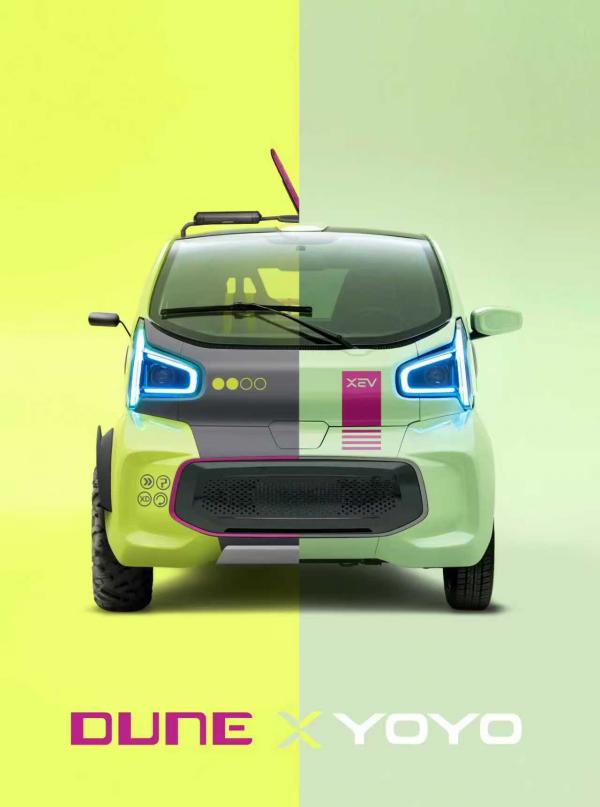
micro electric vehicles, including the flagship XEV YOYO, the company
allows European drivers to order personalized vehicles directly. This
approach eliminates the inventory burden and introduces a
"Battery-as-a-Service" model that removes the two biggest barriers to EV
adoption. Those barriers are high upfront costs and residual value
risk.
Decoupling the Battery from the Price Tag
For decades, the battery has been the most expensive single component of an electric car. It is also the component most likely to depreciate. XEV's innovative business model fundamentally alters this equation by separating the vehicle (hardware) from the battery (service).
Customers purchase the car but lease the energy capacity. This strategy significantly lowers the initial purchase price. It makes premium urban mobility accessible to a broader demographic. This ranges from young professionals seeking their first vehicle to fleet operators managing tight margins.
"We are not just manufacturing cars. We are redefining vehicle ownership," says the XEV leadership team. "Our goal is to make car production as flexible as smartphone manufacturing. We give users exactly what they need for city living without the financial weight of traditional ownership."
3 Minutes to Full Power: Solving the Charging Crisis
Range anxiety remains a critical hurdle for European EVs. This is particularly true for drivers without private home charging infrastructure. XEV addresses this with its proprietary battery swapping network.
The XEV YOYO and the upcoming XEV XPRESSION are engineered with a modular battery system. Instead of waiting hours at a charging point, drivers pull into a dedicated station. They complete a fully automated battery replacement in approximately three minutes.
This "SWAPPING" technology does more than save time. It improves operational efficiency for commercial users and ensures the vehicle is immune to battery degradation. Since the driver does not own the battery, they never have to worry about the cell's lifespan affecting the car's resale value. This creates a "Zero Usage Anxiety" experience for the owner.
Data-Driven Customization: The End of "One Size Fits All"
The XEV lineup is purpose-built for the narrow streets and high congestion of European cities. With a compact footprint of roughly 2.5 meters, the YOYO navigates historic city centers with ease. However, small size does not mean limited options.
Unlike legacy automakers that push stock inventory, XEV utilizes a data-driven C2M model. Users configure their vehicles via an online platform. They select distinct exterior colors, interior materials, wheel designs, and specific features. This user input triggers a flexible production process that creates a customizable car tailored to specific tastes. XEV uses the massive data generated from these customization choices to refine future designs and forecast market trends with precision.
Commercial Application: Powering the Last-Mile Economy
The flexibility of the XEV platform extends well beyond personal commuting. It is designed to serve the booming last-mile economy. The platform supports last-mile delivery vehicles and shared mobility fleets.
XEV provides specialized enclosed cargo options for logistics companies. The vehicle can even be customized for small business applications, such as mobile coffee carts or retail trucks. For small business owners, the vehicle serves as a mobile asset that can be configured for specific trades, effectively lowering the barrier to entry for entrepreneurs.
XEV has already initiated pilot projects with major European logistics firms to prove the model's viability for high-frequency urban commuting and commercial delivery. For car-sharing services, the high utilization rates and low maintenance needs of the YOYO make it an ideal asset for time-based rental fleets. The modular design further supports this eco-friendly lifecycle by facilitating easy repair and part upgrades. This extends the product lifespan and reduces waste compared to traditional vehicles that are often scrapped when a single major system fails.
A Strategic Supply Chain for a New Era
XEV achieves this level of flexibility through a strategic manufacturing model. The company adopts a capital-light approach that relies on deep collaboration with mature Asian automotive supply chains. This ensures rigorous quality control and cost efficiency without the bloating of traditional manufacturing.
Simultaneously, XEV is committed to European localization. The company is currently establishing assembly hubs and battery swapping networks across Europe to better serve local demand. This dual approach allows XEV to combine global manufacturing power with local market responsiveness. It ensures that while the technology is global, the support and infrastructure are local.
Availability
Sales and deliveries of the XEV YOYO have commenced in selected European markets, including Italy and Germany. The company continues to expand its infrastructure to support the growing network of users who demand a smarter and cleaner way to move through their cities.
For more information on the YOYO and the battery-swapping network, visit https://www.xev-global.com/yoyo or explore the upcoming XPRESSION model at https://www.xev-global.com/xpression.
Decoupling the Battery from the Price Tag
For decades, the battery has been the most expensive single component of an electric car. It is also the component most likely to depreciate. XEV's innovative business model fundamentally alters this equation by separating the vehicle (hardware) from the battery (service).
Customers purchase the car but lease the energy capacity. This strategy significantly lowers the initial purchase price. It makes premium urban mobility accessible to a broader demographic. This ranges from young professionals seeking their first vehicle to fleet operators managing tight margins.
"We are not just manufacturing cars. We are redefining vehicle ownership," says the XEV leadership team. "Our goal is to make car production as flexible as smartphone manufacturing. We give users exactly what they need for city living without the financial weight of traditional ownership."
3 Minutes to Full Power: Solving the Charging Crisis
Range anxiety remains a critical hurdle for European EVs. This is particularly true for drivers without private home charging infrastructure. XEV addresses this with its proprietary battery swapping network.
The XEV YOYO and the upcoming XEV XPRESSION are engineered with a modular battery system. Instead of waiting hours at a charging point, drivers pull into a dedicated station. They complete a fully automated battery replacement in approximately three minutes.
This "SWAPPING" technology does more than save time. It improves operational efficiency for commercial users and ensures the vehicle is immune to battery degradation. Since the driver does not own the battery, they never have to worry about the cell's lifespan affecting the car's resale value. This creates a "Zero Usage Anxiety" experience for the owner.
Data-Driven Customization: The End of "One Size Fits All"
The XEV lineup is purpose-built for the narrow streets and high congestion of European cities. With a compact footprint of roughly 2.5 meters, the YOYO navigates historic city centers with ease. However, small size does not mean limited options.
Unlike legacy automakers that push stock inventory, XEV utilizes a data-driven C2M model. Users configure their vehicles via an online platform. They select distinct exterior colors, interior materials, wheel designs, and specific features. This user input triggers a flexible production process that creates a customizable car tailored to specific tastes. XEV uses the massive data generated from these customization choices to refine future designs and forecast market trends with precision.
Commercial Application: Powering the Last-Mile Economy
The flexibility of the XEV platform extends well beyond personal commuting. It is designed to serve the booming last-mile economy. The platform supports last-mile delivery vehicles and shared mobility fleets.
XEV provides specialized enclosed cargo options for logistics companies. The vehicle can even be customized for small business applications, such as mobile coffee carts or retail trucks. For small business owners, the vehicle serves as a mobile asset that can be configured for specific trades, effectively lowering the barrier to entry for entrepreneurs.
XEV has already initiated pilot projects with major European logistics firms to prove the model's viability for high-frequency urban commuting and commercial delivery. For car-sharing services, the high utilization rates and low maintenance needs of the YOYO make it an ideal asset for time-based rental fleets. The modular design further supports this eco-friendly lifecycle by facilitating easy repair and part upgrades. This extends the product lifespan and reduces waste compared to traditional vehicles that are often scrapped when a single major system fails.
A Strategic Supply Chain for a New Era
XEV achieves this level of flexibility through a strategic manufacturing model. The company adopts a capital-light approach that relies on deep collaboration with mature Asian automotive supply chains. This ensures rigorous quality control and cost efficiency without the bloating of traditional manufacturing.
Simultaneously, XEV is committed to European localization. The company is currently establishing assembly hubs and battery swapping networks across Europe to better serve local demand. This dual approach allows XEV to combine global manufacturing power with local market responsiveness. It ensures that while the technology is global, the support and infrastructure are local.
Availability
Sales and deliveries of the XEV YOYO have commenced in selected European markets, including Italy and Germany. The company continues to expand its infrastructure to support the growing network of users who demand a smarter and cleaner way to move through their cities.
For more information on the YOYO and the battery-swapping network, visit https://www.xev-global.com/yoyo or explore the upcoming XPRESSION model at https://www.xev-global.com/xpression.
BERITA LAINNYA

Rabu, 15 April 2026 | 09:10
Rabu, 15 April 2026 | 09:07

Selasa, 14 April 2026 | 21:43

Selasa, 14 April 2026 | 21:42

Selasa, 14 April 2026 | 21:41

Selasa, 14 April 2026 | 21:39

Selasa, 14 April 2026 | 21:38

Selasa, 14 April 2026 | 21:37

Selasa, 14 April 2026 | 21:36

Selasa, 14 April 2026 | 21:35

BERIKAN KOMENTAR


-
 Rabu, 15 April 2026 | 09:19
Akselerasi Pembangunan Rendah Karbon: Indonesia dan Inggris Resmikan Pendanaan Inovasi Proyek LCDI-ITF
-
 Rabu, 15 April 2026 | 09:18
JIP Perkenalkan Logo Baru, Tegaskan Arah Transformasi di Era Industri Digital
-
Rabu, 15 April 2026 | 09:10
SIM Global Education's guide to navigating the first 30 days of university life
-
Rabu, 15 April 2026 | 09:07
Doubleview Gold Corp. Announces Filing of Preliminary Economic Assessment Technical Report for the Hat Project
-
 Selasa, 14 April 2026 | 22:43
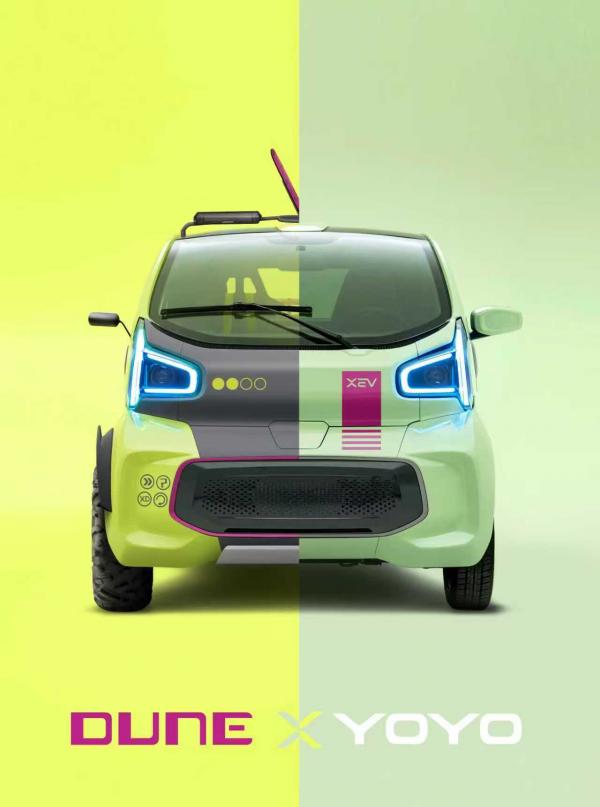
XEV Hadirkan Revolusi Mobilitas Listrik dengan Ekosistem C2M, Baterai-as-a-Service, dan Produksi Kustom Massal
-
 Selasa, 14 April 2026 | 22:42
Hongkong Land dan Gammon Construction Perkenalkan Beton Rendah Karbon CarbonCure untuk Pertama Kalinya di Hong Kong

-
 Kamis, 09 April 2026 | 11:58
La Mirabelle Achieves Sales of HK$4.6 Billion in Two Weeks, Records 522 Unit Sales as of 7 April 2026
-
-

-
 Jumat, 10 April 2026 | 17:18
iHerb Launches "Heatwave Essentials" Campaign for Singapore Consumers (22% off sitewide)
-
 Kamis, 09 April 2026 | 11:59
Toyota Group Key Supplier JTEKT Commissions 2,500 MWh Solar Carport in Kagawa Under 20-Year PPA with Peak Energy
-