Menu Website

- Home
- MediaOutReach
- Early family and cultural adaptation support central to international assignment success - AXA Global Healthcare

Early family and cultural adaptation support central to international assignment success - AXA Global Healthcare
Kamis, 09 April 2026 | 09:26
DUBAI, UNITED ARAB EMIRATES -
Media OutReach Newswire - 8 April 2026 -
New research
from AXA Global Healthcare across ten international markets highlights
family wellbeing, cultural adaptation and social integration as three of
the strongest predictors of successful global assignments.
Building on eight years of research, AXA's latest study draws on insights from 689 HR decision-makers and 641 non-native assignees, offering a detailed view of the factors shaping international assignment outcomes.
The research found that family concerns (49%) cultural adjustment (47%) and social isolation (47%) are the three most common drivers for employees ending assignments early.
With the average cost of an international assignment rising by over 50% since 2017 to $79,636 per year above base salary, the case for preparing against these common drivers is made clear to HR leaders.
The importance of family, health and home
The research findings suggest a greater demand for early support beyond the logistics and legalities of moving abroad than that which is currently provided.
When asked, just 1 in 5 (20%) said their family received help with relocation services for their current assignment, yet one in three (33%) say they would expect this type of support from their employer for future placements.
Expectations outweigh provision on health-related assurances too. Whilst current support matches expectation for local health insurance, there is a seven-point gap between the global health insurance currently provided (32%) and the expectation for future assignments (39%). This demand falls in line with broader mobility trends – 73% of HR decision-makers expect more digital nomadism in their workforce over the next five years – global health cover caters to just that.
For organisations, this means reassessing what preparation involves.
"When we think about mobility strategies, the focus should not only be on business outcomes but on how well we prepare people, and their loved ones, for change." says Ellen Hughes, Chief People Officer, AXA Health Business.
Assignment success requires adaptive support
Of assignments that end early, one in three do so because of difficulty adapting to local culture – and this has been a top three reason for early returns for the last eight years.
Demand for cultural preparation has also increased by 24% since AXA Global Healthcare's last report in 2020, suggesting that assignees are becoming more aware of the importance of forward planning – and the latest research findings suggest wellbeing provision needs to meet expectations.
Language training support was found to be 12.5% short of expectation, while cultural adaptation support fell further behind, at nearly 20%. The nature of this support – whether it be learning a language or getting to grips with an entirely new culture – suggests that the key is in preparation well in advance of placement to give assignees a better shot at success.
Social isolation: creating the conditions for connection
Over half (54%) of assignees feel their mental health being challenged within the first three months of their assignment. At this point, the environment feels most unfamiliar and assignees that are not adequately equipped are most likely to struggle.
Isolation can be prevented in a variety of ways. The findings suggest expat forums (27%) and support groups (23%) are two valued support mechanisms for assignees. Opening up conversations about psychological preparation for the lifestyle change and providing connections through the workplace with buddy and mentoring systems can also be effective for establishing a social baseline for employees on placement.
Assignees themselves must also take responsibility. Excitement about a new posting can distract from thorough preparation for potential social challenges.
Sean Dubberke, intercultural specialist and Chief Learning Officer at professional training firm RW3 highlights: "Employees can often misunderstand relocation because of simple excitement. This adventurous enthusiasm can delay preparation for the practical and psychological realities of living in a new cultural environment."
Personal preparation means thinking ahead – maintaining home connections, identifying how to build new ones, and understanding how daily social life will change.
Closing the awareness gap
Across all three areas, employers are providing more support than assignees recognise. Just 19% of assignees cited access to language preparation, against 36% of HR leaders who say they provide it. Similarly, 17% of assignees cited cultural preparation support, compared with 34% of HR leaders. Gaps are consistent for mentoring and buddy systems (28% vs 46%) and expatriate support groups (24% vs 45%).
This is not a problem with resourcing, but communication. Support covering exactly the family, cultural, and social challenges that can drive early returns exists, but isn't reaching the people who need it. Closing this gap requires clearer communication from employers and active engagement from assignees.
The evolution of global mobility
Short-term placements are predicted to increase by 69% in the next five years and are predicted to shorten further with the rise of digital nomadism. As assignment models evolve, the risks of cultural disconnection, family strain, and social isolation won't disappear – they'll become more acute as the window for preparation gets shorter.
For HR decision-makers, two preparation priorities stand out: keep family, cultural, and social support central as these factors become more strongly linked to successful outcomes; and close the awareness gap through consistent communication and shared accountability.
"AXA Global Healthcare's research demonstrates that in order for preparation to deliver the best outcomes, businesses should design mobility strategies which recognise the full experience of relocation, and individuals must actively engage with the support available to them. Only then can the value and investment at this stage of an assignment be realised.
By strengthening preparation at every level, we can create the conditions for mobility to deliver on its promise: growth for our organisations and meaningful opportunities and experiences for our people." says Hughes.
 https://www.axaglobalhealthcare.com/en/
 https://www.linkedin.com/company/axaglobalhealthcare
 https://www.instagram.com/axahealth/
 https://www.youtube.com/c/axaglobalhealthcare
Building on eight years of research, AXA's latest study draws on insights from 689 HR decision-makers and 641 non-native assignees, offering a detailed view of the factors shaping international assignment outcomes.
The research found that family concerns (49%) cultural adjustment (47%) and social isolation (47%) are the three most common drivers for employees ending assignments early.
With the average cost of an international assignment rising by over 50% since 2017 to $79,636 per year above base salary, the case for preparing against these common drivers is made clear to HR leaders.
The importance of family, health and home
The research findings suggest a greater demand for early support beyond the logistics and legalities of moving abroad than that which is currently provided.
When asked, just 1 in 5 (20%) said their family received help with relocation services for their current assignment, yet one in three (33%) say they would expect this type of support from their employer for future placements.
Expectations outweigh provision on health-related assurances too. Whilst current support matches expectation for local health insurance, there is a seven-point gap between the global health insurance currently provided (32%) and the expectation for future assignments (39%). This demand falls in line with broader mobility trends – 73% of HR decision-makers expect more digital nomadism in their workforce over the next five years – global health cover caters to just that.
For organisations, this means reassessing what preparation involves.
"When we think about mobility strategies, the focus should not only be on business outcomes but on how well we prepare people, and their loved ones, for change." says Ellen Hughes, Chief People Officer, AXA Health Business.
Assignment success requires adaptive support
Of assignments that end early, one in three do so because of difficulty adapting to local culture – and this has been a top three reason for early returns for the last eight years.
Demand for cultural preparation has also increased by 24% since AXA Global Healthcare's last report in 2020, suggesting that assignees are becoming more aware of the importance of forward planning – and the latest research findings suggest wellbeing provision needs to meet expectations.
Language training support was found to be 12.5% short of expectation, while cultural adaptation support fell further behind, at nearly 20%. The nature of this support – whether it be learning a language or getting to grips with an entirely new culture – suggests that the key is in preparation well in advance of placement to give assignees a better shot at success.
Social isolation: creating the conditions for connection
Over half (54%) of assignees feel their mental health being challenged within the first three months of their assignment. At this point, the environment feels most unfamiliar and assignees that are not adequately equipped are most likely to struggle.
Isolation can be prevented in a variety of ways. The findings suggest expat forums (27%) and support groups (23%) are two valued support mechanisms for assignees. Opening up conversations about psychological preparation for the lifestyle change and providing connections through the workplace with buddy and mentoring systems can also be effective for establishing a social baseline for employees on placement.
Assignees themselves must also take responsibility. Excitement about a new posting can distract from thorough preparation for potential social challenges.
Sean Dubberke, intercultural specialist and Chief Learning Officer at professional training firm RW3 highlights: "Employees can often misunderstand relocation because of simple excitement. This adventurous enthusiasm can delay preparation for the practical and psychological realities of living in a new cultural environment."
Personal preparation means thinking ahead – maintaining home connections, identifying how to build new ones, and understanding how daily social life will change.
Closing the awareness gap
Across all three areas, employers are providing more support than assignees recognise. Just 19% of assignees cited access to language preparation, against 36% of HR leaders who say they provide it. Similarly, 17% of assignees cited cultural preparation support, compared with 34% of HR leaders. Gaps are consistent for mentoring and buddy systems (28% vs 46%) and expatriate support groups (24% vs 45%).
This is not a problem with resourcing, but communication. Support covering exactly the family, cultural, and social challenges that can drive early returns exists, but isn't reaching the people who need it. Closing this gap requires clearer communication from employers and active engagement from assignees.
The evolution of global mobility
Short-term placements are predicted to increase by 69% in the next five years and are predicted to shorten further with the rise of digital nomadism. As assignment models evolve, the risks of cultural disconnection, family strain, and social isolation won't disappear – they'll become more acute as the window for preparation gets shorter.
For HR decision-makers, two preparation priorities stand out: keep family, cultural, and social support central as these factors become more strongly linked to successful outcomes; and close the awareness gap through consistent communication and shared accountability.
"AXA Global Healthcare's research demonstrates that in order for preparation to deliver the best outcomes, businesses should design mobility strategies which recognise the full experience of relocation, and individuals must actively engage with the support available to them. Only then can the value and investment at this stage of an assignment be realised.
By strengthening preparation at every level, we can create the conditions for mobility to deliver on its promise: growth for our organisations and meaningful opportunities and experiences for our people." says Hughes.
https://www.axaglobalhealthcare.com/en/https://www.linkedin.com/company/axaglobalhealthcarehttps://www.instagram.com/axahealth/https://www.youtube.com/c/axaglobalhealthcareBERITA LAINNYA

Rabu, 15 April 2026 | 09:10
Rabu, 15 April 2026 | 09:07


Selasa, 14 April 2026 | 21:43

Selasa, 14 April 2026 | 21:42

Selasa, 14 April 2026 | 21:41

Selasa, 14 April 2026 | 21:39


Selasa, 14 April 2026 | 21:38

Selasa, 14 April 2026 | 21:37

Selasa, 14 April 2026 | 21:36
Selasa, 14 April 2026 | 21:35

BERIKAN KOMENTAR


-
 Rabu, 15 April 2026 | 09:19
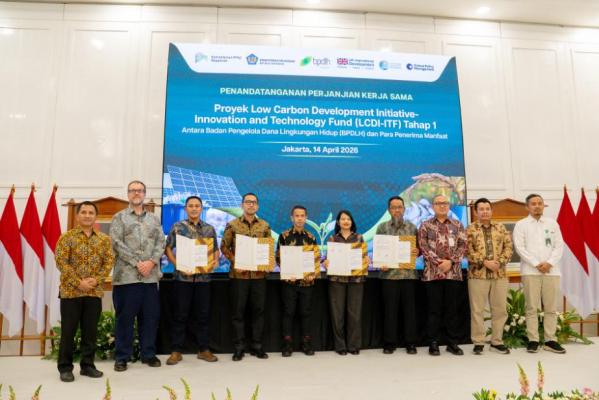
Akselerasi Pembangunan Rendah Karbon: Indonesia dan Inggris Resmikan Pendanaan Inovasi Proyek LCDI-ITF
-
 Rabu, 15 April 2026 | 09:18
JIP Perkenalkan Logo Baru, Tegaskan Arah Transformasi di Era Industri Digital
-
Rabu, 15 April 2026 | 09:10
SIM Global Education's guide to navigating the first 30 days of university life
-
Rabu, 15 April 2026 | 09:07
Doubleview Gold Corp. Announces Filing of Preliminary Economic Assessment Technical Report for the Hat Project
-
 Selasa, 14 April 2026 | 22:43
XEV Hadirkan Revolusi Mobilitas Listrik dengan Ekosistem C2M, Baterai-as-a-Service, dan Produksi Kustom Massal
-
 Selasa, 14 April 2026 | 22:42
Hongkong Land dan Gammon Construction Perkenalkan Beton Rendah Karbon CarbonCure untuk Pertama Kalinya di Hong Kong

-
 Kamis, 09 April 2026 | 11:58
La Mirabelle Achieves Sales of HK$4.6 Billion in Two Weeks, Records 522 Unit Sales as of 7 April 2026
-

-

-
 Jumat, 10 April 2026 | 17:18
iHerb Launches "Heatwave Essentials" Campaign for Singapore Consumers (22% off sitewide)
-
 Kamis, 09 April 2026 | 11:59
Toyota Group Key Supplier JTEKT Commissions 2,500 MWh Solar Carport in Kagawa Under 20-Year PPA with Peak Energy
-