Menu Website

- Home
- MediaOutReach
- St. George's University Prepares Future South Korean Physicians for the Growing Global Cancer Care Challenge

St. George's University Prepares Future South Korean Physicians for the Growing Global Cancer Care Challenge
Rabu, 04 Februari 2026 | 08:41
SEOUL, SOUTH KOREA -
Media OutReach Newswire
- 4 February 2026 - Rising global cancer incidence is straining
healthcare systems, which already face workforce shortages. In East
Asia, the number of trained physicians in cancer care, spanning
diagnosis, treatment coordination, and long-term management—has not met
the increasing demand. According to the Global Cancer Observatory, South Korea reported over 230,000 new cancer cases and more than 97,000 fatalities in 2022.
A recent original academic research
by Myongji College and The Catholic University of Korea warned that
simply increasing medical school enrollments alone does not fix
shortages in key specialties and underserved regions where medical
demand is rising fastest.
Recognizing the importance of addressing workforce shortage in South Korea, St. George's University (SGU) School of Medicine in Grenada, West Indies, highlights how its medical education approach supports the development of clinical competencies relevant to cancer care across healthcare settings.
These challenges reflect broader global trends, where cancer care increasingly depends on multidisciplinary teams rather than specialty expansion alone. SGU's curriculum is designed to build a strong foundation in clinical diagnosis, patient communication and multidisciplinary care, which are essential skills for effective oncology and cancer-related care. Through anatomy labs, simulation-based learning, and integrated digital tools, students develop foundational clinical skills in structured, supervised environments designed to reflect real-world medical practice.
The curriculum also integrates traditional cadaveric dissection with modern 3D anatomical modeling. This blend helps students visualize the human body in a holistic way while reinforcing knowledge through their hands-on interaction. SGU's simulation lab also enables medical students to have their first direct interaction with ill patients in a safe, simulated learning environment.
On top of core medical training, SGU offers early exposure to prevention, diagnosis and patient-centered care to prepare graduates to tackle complex health issues. SGU has developed long-standing relationships with more than 75 established hospitals and clinical centers in the US and UK. These clinical placements provide exposure to diverse patient populations and care environments, including settings where cancer diagnosis and management are part of routine clinical practice.
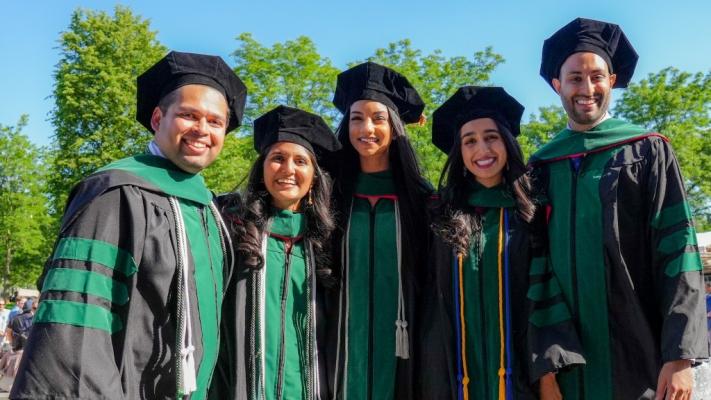
South Korean SGU alumni are contributing to healthcare systems through roles that intersect with cancer diagnosis, treatment coordination, and long-term patient care. For example, Dr. Julia Hweyryoung Cho, MD 2022 is practicing internal medicine, which plays a crucial role in cancer care. Internal medicine physicians are often involved in the initial diagnosis of cancer, managing complex medical conditions that may arise during treatment and providing long-term comprehensive care and survivorship planning for patients with a history of cancer.
In observance of World Cancer Day 2026, SGU encourages all medical professionals and organizations to collaboratively address global cancer care challenges. This includes recognizing and meeting the cancer healthcare needs of individuals and communities in South Korea.
For more information on the programs and tracks available through SGU School of Medicine, visit SGU's website.
Recognizing the importance of addressing workforce shortage in South Korea, St. George's University (SGU) School of Medicine in Grenada, West Indies, highlights how its medical education approach supports the development of clinical competencies relevant to cancer care across healthcare settings.
These challenges reflect broader global trends, where cancer care increasingly depends on multidisciplinary teams rather than specialty expansion alone. SGU's curriculum is designed to build a strong foundation in clinical diagnosis, patient communication and multidisciplinary care, which are essential skills for effective oncology and cancer-related care. Through anatomy labs, simulation-based learning, and integrated digital tools, students develop foundational clinical skills in structured, supervised environments designed to reflect real-world medical practice.
The curriculum also integrates traditional cadaveric dissection with modern 3D anatomical modeling. This blend helps students visualize the human body in a holistic way while reinforcing knowledge through their hands-on interaction. SGU's simulation lab also enables medical students to have their first direct interaction with ill patients in a safe, simulated learning environment.
On top of core medical training, SGU offers early exposure to prevention, diagnosis and patient-centered care to prepare graduates to tackle complex health issues. SGU has developed long-standing relationships with more than 75 established hospitals and clinical centers in the US and UK. These clinical placements provide exposure to diverse patient populations and care environments, including settings where cancer diagnosis and management are part of routine clinical practice.
South Korean SGU alumni are contributing to healthcare systems through roles that intersect with cancer diagnosis, treatment coordination, and long-term patient care. For example, Dr. Julia Hweyryoung Cho, MD 2022 is practicing internal medicine, which plays a crucial role in cancer care. Internal medicine physicians are often involved in the initial diagnosis of cancer, managing complex medical conditions that may arise during treatment and providing long-term comprehensive care and survivorship planning for patients with a history of cancer.
In observance of World Cancer Day 2026, SGU encourages all medical professionals and organizations to collaboratively address global cancer care challenges. This includes recognizing and meeting the cancer healthcare needs of individuals and communities in South Korea.
For more information on the programs and tracks available through SGU School of Medicine, visit SGU's website.
BERITA LAINNYA

Kamis, 05 Februari 2026 | 08:59

Kamis, 05 Februari 2026 | 08:58
Kamis, 05 Februari 2026 | 08:57
Kamis, 05 Februari 2026 | 08:55

Kamis, 05 Februari 2026 | 08:53
Kamis, 05 Februari 2026 | 08:52
Kamis, 05 Februari 2026 | 08:51
Rabu, 04 Februari 2026 | 14:37
Rabu, 04 Februari 2026 | 14:35
Rabu, 04 Februari 2026 | 14:33
Rabu, 04 Februari 2026 | 14:32

BERIKAN KOMENTAR

-
Kamis, 05 Februari 2026 | 08:59
AUSTRIACARD Successfully Achieves mada Card Chip Profile Certification
-
Kamis, 05 Februari 2026 | 08:58
Alibaba Brings Cloud-Based AI Innovation to Milano Cortina 2026 Winter Olympics
-
Kamis, 05 Februari 2026 | 08:57
RMB Capitalworks Launches Hybrid Fund Targeting High-Growth Indian Mid-Market Businesses
-
Kamis, 05 Februari 2026 | 08:55
Daimler Buses teams up with FEV to launch the first hydrogen-powered Setra demonstrator vehicle
-
Kamis, 05 Februari 2026 | 08:53
GOD55 Sports Joins MotoGP's Global Stage as Honda LCR's Premium Official Partner
-
Kamis, 05 Februari 2026 | 08:52
From Banks of Yellow River to Dining Tables Worldwide: Lanzhou Beef Noodles Get a Makeover through Cross-industry Fusion

-
 Selasa, 03 Februari 2026 | 10:43
Aktivis Pendidikan Riau Pastikan Penggunaan Dana BOS/BOSP SMAN 2 Dumai 2024-2025 Sesuai Aturan dan Transparan
-
 Jumat, 30 Januari 2026 | 12:01
Miliaran Rupiah Potensi Pajak Tambang di Dumai ‘Melayang' Karena Perusahaan Diduga Tak Lapor
-
 Kamis, 29 Januari 2026 | 12:33
Dua Organisasi Pegiat Lingkungan Kawal Laporan Forum Komunikasi Anak Dumai
-
 Sabtu, 31 Januari 2026 | 13:56
Shopee 2.2 Double Sale Menawarkan Penghematan Lebih Besar bagi Pembeli dalam Perayaan Musim Liburan
-
 Sabtu, 31 Januari 2026 | 13:55
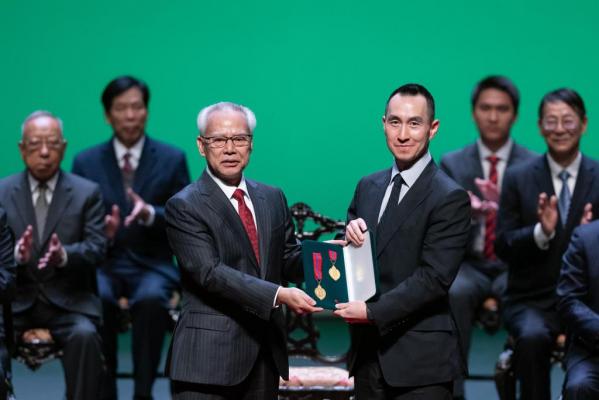
“House of Dancing Water” dari Melco Raih Medal of Merit – Tourism atas Kontribusinya bagi Pariwisata Makau
-
 Sabtu, 31 Januari 2026 | 13:55
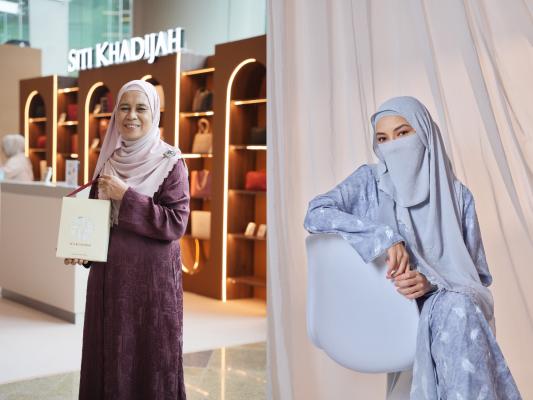
Merek Fesyen Muslimah Lokal Bersiap Sambut Raya melalui Shopee Bazar Hebat Ramadan