Menu Website

- Home
- MediaOutReach
- PolyU develops novel antibody targeting fat cell protein, offering new approach to treating metabolism-related liver cancer

PolyU develops novel antibody targeting fat cell protein, offering new approach to treating metabolism-related liver cancer
Rabu, 04 Februari 2026 | 08:37

Prof. Terence Lee, Associate Head and Professor of the PolyU Department of Applied Biology and Chemical Technology, and his research team have developed a novel antibody targeting the adipocyte-derived protein FABP4, offering a new approach to treating metabolism-related liver cancer.
HONG KONG SAR -
Media OutReach Newswire
- 3 February 2026 - Liver cancer is one of the three deadliest cancers
worldwide, and metabolic dysfunction-related cases have become
increasingly common in recent years. A research team from The Hong Kong
Polytechnic University (PolyU) has identified a protein secreted by fat
cells that promotes cancer growth and has successfully developed a novel
antibody that neutralises this protein, marking a significant
breakthrough in impeding the progression of liver cancer. The research
findings have been published in the
Journal of Clinical Investigation.
Metabolic dysfunction-associated steatotic liver disease (MASLD), commonly known as fatty liver disease, currently affects around a quarter of the global population and is an important risk factor for liver cancer. In affected individuals, fat cells induce insulin resistance and chronic inflammation, leading to excessive fat accumulation in the liver. This ultimately impairs liver function and may progress to liver cancer. Treatment options for MASLD-induced liver cancer remain limited and the effectiveness of current immunotherapies is suboptimal.
A breakthrough study led by Prof. Terence LEE, Associate Head and Professor of the PolyU Department of Applied Biology and Chemical Technology, and his research team has revealed that an adipocyte-derived protein, known as fatty acid-binding protein 4 (FABP4) is a key driver that accelerates tumour growth. Through mass spectrometry, the team confirmed that patients with MASLD-induced liver cancer had markedly elevated FABP4 levels in their serum. Further investigations showed that FABP4 activates a series of pro-proliferative signalling pathways within cells, causing cancer cells to multiply and grow more rapidly.
Prof. Lee's team has successfully developed a monoclonal antibody that neutralises FABP4. This antibody not only inhibits the growth and proliferation of FABP4-driven cancer stem cells, but also enhances the ability of immune cells to combat cancer.
Prof. Lee said, "This neutralising antibody against FABP4 demonstrates significant potential in inhibiting tumour growth and activating immune cells, providing a complementary approach to current immunotherapy strategies. Our findings highlight that targeting adipocyte-derived FABP4 holds promise for treating MASLD-induced liver cancer."
Prof. Lee added that gaining deeper insights into how adipocyte-derived FABP4 affects liver cancer cells helps to explicate the disease mechanisms of liver cancer, particularly in obese individuals. Intervening in the relevant signalling pathways could provide effective methods to combat this aggressive malignancy.
Prof. Lee believes that, as this adipocyte-targeted immunotherapy continues to mature, it will bring more treatment options to MASLD patients. He remarked, "If its efficacy can be proven in clinical trials, it could offer new hope to many affected individuals."
The research is supported by the Innovation and Technology Fund of the Innovation and Technology Commission of the Government of the Hong Kong Special Administrative Region of the People's Republic of China. PolyU has filed a non-provisional patent for the developed antibody and is continuing to optimise its binding affinity to facilitate future clinical applications.
Metabolic dysfunction-associated steatotic liver disease (MASLD), commonly known as fatty liver disease, currently affects around a quarter of the global population and is an important risk factor for liver cancer. In affected individuals, fat cells induce insulin resistance and chronic inflammation, leading to excessive fat accumulation in the liver. This ultimately impairs liver function and may progress to liver cancer. Treatment options for MASLD-induced liver cancer remain limited and the effectiveness of current immunotherapies is suboptimal.
A breakthrough study led by Prof. Terence LEE, Associate Head and Professor of the PolyU Department of Applied Biology and Chemical Technology, and his research team has revealed that an adipocyte-derived protein, known as fatty acid-binding protein 4 (FABP4) is a key driver that accelerates tumour growth. Through mass spectrometry, the team confirmed that patients with MASLD-induced liver cancer had markedly elevated FABP4 levels in their serum. Further investigations showed that FABP4 activates a series of pro-proliferative signalling pathways within cells, causing cancer cells to multiply and grow more rapidly.
Prof. Lee's team has successfully developed a monoclonal antibody that neutralises FABP4. This antibody not only inhibits the growth and proliferation of FABP4-driven cancer stem cells, but also enhances the ability of immune cells to combat cancer.
Prof. Lee said, "This neutralising antibody against FABP4 demonstrates significant potential in inhibiting tumour growth and activating immune cells, providing a complementary approach to current immunotherapy strategies. Our findings highlight that targeting adipocyte-derived FABP4 holds promise for treating MASLD-induced liver cancer."
Prof. Lee added that gaining deeper insights into how adipocyte-derived FABP4 affects liver cancer cells helps to explicate the disease mechanisms of liver cancer, particularly in obese individuals. Intervening in the relevant signalling pathways could provide effective methods to combat this aggressive malignancy.
Prof. Lee believes that, as this adipocyte-targeted immunotherapy continues to mature, it will bring more treatment options to MASLD patients. He remarked, "If its efficacy can be proven in clinical trials, it could offer new hope to many affected individuals."
The research is supported by the Innovation and Technology Fund of the Innovation and Technology Commission of the Government of the Hong Kong Special Administrative Region of the People's Republic of China. PolyU has filed a non-provisional patent for the developed antibody and is continuing to optimise its binding affinity to facilitate future clinical applications.
BERITA LAINNYA

Kamis, 05 Februari 2026 | 08:59

Kamis, 05 Februari 2026 | 08:58
Kamis, 05 Februari 2026 | 08:57
Kamis, 05 Februari 2026 | 08:55

Kamis, 05 Februari 2026 | 08:53

Kamis, 05 Februari 2026 | 08:52

Kamis, 05 Februari 2026 | 08:51

Rabu, 04 Februari 2026 | 14:37

Rabu, 04 Februari 2026 | 14:35

Rabu, 04 Februari 2026 | 14:33

Rabu, 04 Februari 2026 | 14:32

BERIKAN KOMENTAR


-
Kamis, 05 Februari 2026 | 08:59
AUSTRIACARD Successfully Achieves mada Card Chip Profile Certification
-
Kamis, 05 Februari 2026 | 08:58
Alibaba Brings Cloud-Based AI Innovation to Milano Cortina 2026 Winter Olympics
-
Kamis, 05 Februari 2026 | 08:57
RMB Capitalworks Launches Hybrid Fund Targeting High-Growth Indian Mid-Market Businesses
-
Kamis, 05 Februari 2026 | 08:55
Daimler Buses teams up with FEV to launch the first hydrogen-powered Setra demonstrator vehicle
-
Kamis, 05 Februari 2026 | 08:53
GOD55 Sports Joins MotoGP's Global Stage as Honda LCR's Premium Official Partner
-
Kamis, 05 Februari 2026 | 08:52
From Banks of Yellow River to Dining Tables Worldwide: Lanzhou Beef Noodles Get a Makeover through Cross-industry Fusion

-
 Selasa, 03 Februari 2026 | 10:43
Aktivis Pendidikan Riau Pastikan Penggunaan Dana BOS/BOSP SMAN 2 Dumai 2024-2025 Sesuai Aturan dan Transparan
-
 Jumat, 30 Januari 2026 | 12:01
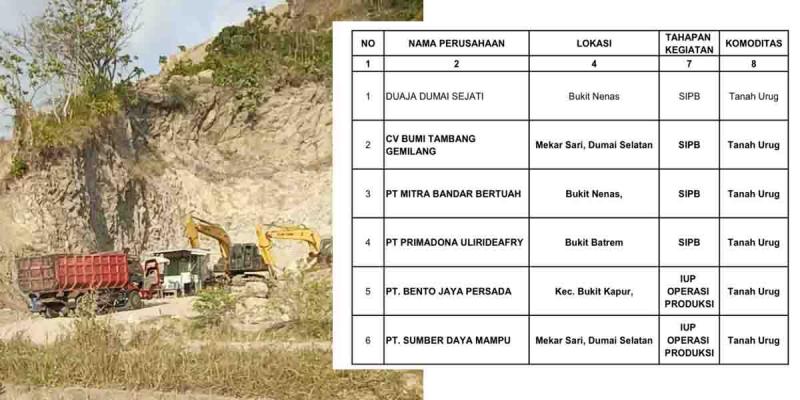
Miliaran Rupiah Potensi Pajak Tambang di Dumai ‘Melayang' Karena Perusahaan Diduga Tak Lapor
-
 Kamis, 29 Januari 2026 | 12:33
Dua Organisasi Pegiat Lingkungan Kawal Laporan Forum Komunikasi Anak Dumai
-
 Sabtu, 31 Januari 2026 | 13:56
Shopee 2.2 Double Sale Menawarkan Penghematan Lebih Besar bagi Pembeli dalam Perayaan Musim Liburan
-
 Sabtu, 31 Januari 2026 | 13:55
“House of Dancing Water” dari Melco Raih Medal of Merit – Tourism atas Kontribusinya bagi Pariwisata Makau
-
 Sabtu, 31 Januari 2026 | 13:55
Merek Fesyen Muslimah Lokal Bersiap Sambut Raya melalui Shopee Bazar Hebat Ramadan