Menu Website

- Home
- MediaOutReach
- Can Gio Awakens as Ho Chi Minh City's Next Growth Frontier

Can Gio Awakens as Ho Chi Minh City's Next Growth Frontier
Sabtu, 27 Desember 2025 | 10:36
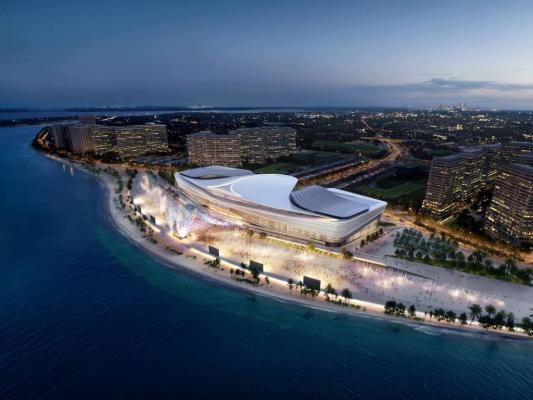
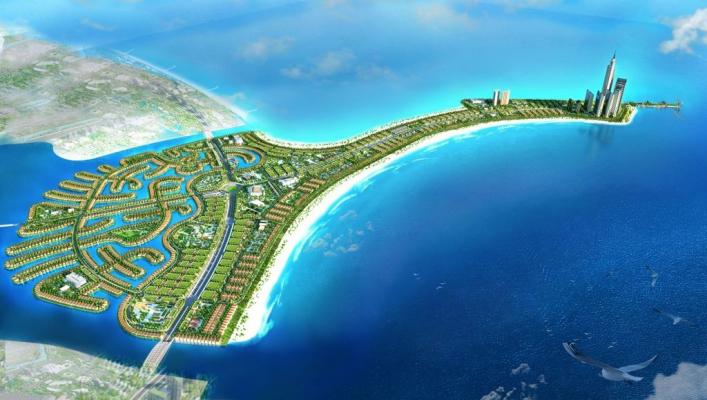
Vinhomes Green Paradise: A Hidden Gem Poised to Shine in Vietnam’s Real Estate Market.
HO CHI MINH CITY, VIETNAM -
Media OutReach Newswire
- 27 December 2024 - Six months after the groundbreaking of a
2,870-hectare coastal urban project backed by Vingroup, Vietnam's
largest private conglomerate, Can Gio, once seen as a forgotten corner
of Ho Chi Minh City, is now emerging as a new growth engine for
Vietnam's southern metropolis.
Breaking Isolation
For years, Can Gio was often left out of the city's rapid development. Surrounded by dense forests and accessible mainly by ferry, it remained a world apart. Now, that is beginning to change.
Six months ago, the large-scale land reclamation project officially started construction. Locals call it a "game changer" that awakened a land long left behind. Along the coast that once lay quiet, a vast construction site has emerged, with heavy machinery working day and night. "I was very surprised by the speed," said Prof. Pham Van Song, president of the Mien Dong University of Technology, noting that hundreds of hectares have already been filled and stabilized within months.
The project, developed by Vingroup through its real estate arm Vinhomes, represents one of the group's most ambitious coastal developments, part of a long-term vision to extend Ho Chi Minh City's urban footprint toward the sea. With billions of U.S. dollars in investment, it combines housing, tourism, and modern infrastructure within a single master plan that anchors Can Gio's transformation.
Complementing this project, a series of major infrastructure works are also reshaping the district. By the end of 2025, the Phu My Hung–Can Gio high-speed railway, designed to reach 350 kilometers per hour, is expected to begin construction, linking the area to the city's southern urban core. In 2026, the long-awaited Can Gio Bridge will break ground, cutting the journey to the city center to around 45 to 60 minutes.
At the same time, the Rung Sac interchange, with an investment of 3,000 billion VND (about 120 million U.S. dollars), will connect Can Gio directly with the Ben Luc–Long Thanh Expressway. Expected to be completed in 2028, it will link Can Gio with both the Southwest and Southeast regions, including Long Thanh International Airport.
In addition, a sea-crossing expressway between Can Gio and Vung Tau, 50 meters wide and proposed by Vingroup, would stretch across the sea for more than 10 kilometers. The plan envisions a wide eight-lane road that could reduce travel between Can Gio and Vung Tau to under 15 minutes, creating a strategic connection between the two coastal economies.
These efforts fit within a broader regional plan that combines road, rail, water, and sea transport. Another key project is the Can Gio International Transshipment Port, covering 571 hectares with an investment of 50,000 billion VND. The port is designed to become a new symbol of Vietnam's maritime economy, with its first phase scheduled to begin operations in 2027 and full completion before 2045.
"A Single Project Ignites the South"
According to Prof. Pham Van Song, the rise of Can Gio is a natural development, especially with the involvement of Vingroup through its Vinhomes Green Paradise project. He believes that Can Gio is moving from an ecological area on the fringe of development to a new center of growth. "All modes of transportation will be available in Can Gio," he said. "The district's GRDP will grow rapidly in line with ongoing construction and investment. Both the number of residents and visitors will surge. Local people will be the first to directly benefit from these projects, and their lives will become increasingly prosperous."
The changes are already drawing attention from investors. Dinh Minh Tuan, southern regional director of Batdongsan.com.vn, said the number of searches related to Can Gio has tripled since the beginning of the year. After the Vinhomes Green Paradise project broke ground, property interest in the district doubled again. "Just one single project has heated up the entire southern market," he said.
Experts say this follows a familiar pattern. In the 1990s, Nguyen Van Linh Boulevard helped turn southern Ho Chi Minh City into a thriving area and drew nearly two million residents. In the 2010s, the completion of the Thu Thiem Tunnel and Bridge attracted more than one million people to the city's east. "Investors who followed the infrastructure development wave then saw huge gains," Tuan noted. "Can Gio now stands at a similar starting point, but with a stronger push."
With a population of about 80,000, Can Gio has long faced a single challenge: lack of connectivity. But, "with the series of large-scale investments now under way, Can Gio is expected to grow faster than many of the city's earlier new urban areas," said Tuan.
Breaking Isolation
For years, Can Gio was often left out of the city's rapid development. Surrounded by dense forests and accessible mainly by ferry, it remained a world apart. Now, that is beginning to change.
Six months ago, the large-scale land reclamation project officially started construction. Locals call it a "game changer" that awakened a land long left behind. Along the coast that once lay quiet, a vast construction site has emerged, with heavy machinery working day and night. "I was very surprised by the speed," said Prof. Pham Van Song, president of the Mien Dong University of Technology, noting that hundreds of hectares have already been filled and stabilized within months.
The project, developed by Vingroup through its real estate arm Vinhomes, represents one of the group's most ambitious coastal developments, part of a long-term vision to extend Ho Chi Minh City's urban footprint toward the sea. With billions of U.S. dollars in investment, it combines housing, tourism, and modern infrastructure within a single master plan that anchors Can Gio's transformation.
Complementing this project, a series of major infrastructure works are also reshaping the district. By the end of 2025, the Phu My Hung–Can Gio high-speed railway, designed to reach 350 kilometers per hour, is expected to begin construction, linking the area to the city's southern urban core. In 2026, the long-awaited Can Gio Bridge will break ground, cutting the journey to the city center to around 45 to 60 minutes.
At the same time, the Rung Sac interchange, with an investment of 3,000 billion VND (about 120 million U.S. dollars), will connect Can Gio directly with the Ben Luc–Long Thanh Expressway. Expected to be completed in 2028, it will link Can Gio with both the Southwest and Southeast regions, including Long Thanh International Airport.
In addition, a sea-crossing expressway between Can Gio and Vung Tau, 50 meters wide and proposed by Vingroup, would stretch across the sea for more than 10 kilometers. The plan envisions a wide eight-lane road that could reduce travel between Can Gio and Vung Tau to under 15 minutes, creating a strategic connection between the two coastal economies.
These efforts fit within a broader regional plan that combines road, rail, water, and sea transport. Another key project is the Can Gio International Transshipment Port, covering 571 hectares with an investment of 50,000 billion VND. The port is designed to become a new symbol of Vietnam's maritime economy, with its first phase scheduled to begin operations in 2027 and full completion before 2045.
"A Single Project Ignites the South"
According to Prof. Pham Van Song, the rise of Can Gio is a natural development, especially with the involvement of Vingroup through its Vinhomes Green Paradise project. He believes that Can Gio is moving from an ecological area on the fringe of development to a new center of growth. "All modes of transportation will be available in Can Gio," he said. "The district's GRDP will grow rapidly in line with ongoing construction and investment. Both the number of residents and visitors will surge. Local people will be the first to directly benefit from these projects, and their lives will become increasingly prosperous."
The changes are already drawing attention from investors. Dinh Minh Tuan, southern regional director of Batdongsan.com.vn, said the number of searches related to Can Gio has tripled since the beginning of the year. After the Vinhomes Green Paradise project broke ground, property interest in the district doubled again. "Just one single project has heated up the entire southern market," he said.
Experts say this follows a familiar pattern. In the 1990s, Nguyen Van Linh Boulevard helped turn southern Ho Chi Minh City into a thriving area and drew nearly two million residents. In the 2010s, the completion of the Thu Thiem Tunnel and Bridge attracted more than one million people to the city's east. "Investors who followed the infrastructure development wave then saw huge gains," Tuan noted. "Can Gio now stands at a similar starting point, but with a stronger push."
With a population of about 80,000, Can Gio has long faced a single challenge: lack of connectivity. But, "with the series of large-scale investments now under way, Can Gio is expected to grow faster than many of the city's earlier new urban areas," said Tuan.
BERITA LAINNYA

Sabtu, 27 Desember 2025 | 11:14

Sabtu, 27 Desember 2025 | 10:35

Sabtu, 27 Desember 2025 | 10:34

Sabtu, 27 Desember 2025 | 10:32
Jumat, 26 Desember 2025 | 10:44
Jumat, 26 Desember 2025 | 10:44
Jumat, 26 Desember 2025 | 10:42

Kamis, 25 Desember 2025 | 10:04

Rabu, 24 Desember 2025 | 10:10

BERIKAN KOMENTAR

-
 Sabtu, 27 Desember 2025 | 11:18
Crisis Management Centre Umumkan Perilisan Global Buku Pertama Pendirinya tentang Reputational Security
-
 Sabtu, 27 Desember 2025 | 11:17
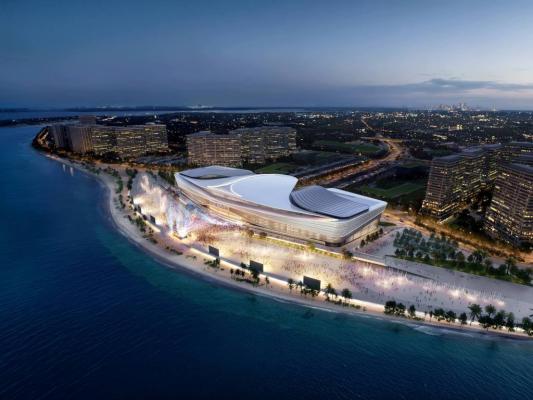
Can Gio Bangkit dari Sudut Terlupakan Menjadi Mesin Pertumbuhan Baru Ho Chi Minh City
-
 Sabtu, 27 Desember 2025 | 11:17
Z.ai Rilis GLM-4.7, Model Bahasa Open-Source Terbaru untuk Pengembangan Perangkat Lunak Dunia Nyata
-
-

-
Sabtu, 27 Desember 2025 | 11:14
Crisis Management Centre Announces Global Release Of Founder's Maiden Book on Reputational Security


-
 Sabtu, 20 Desember 2025 | 19:40
Kejari Dumai Agendakan Pemanggilan Hanif Faddini, Saksi Kunci Proyek Pengadaan MOT RSUD
-
 Rabu, 24 Desember 2025 | 11:40
CloudMile and Cradle Announce Inaugural AI Master Class Participants, Fueling Malaysia's Startup Innovation
-
 Rabu, 24 Desember 2025 | 11:46
Peringati Hari Ibu 2025, KAI Bagikan 1.000 Tanaman kepada Pengguna LRT Jabodebek
-
 Jumat, 26 Desember 2025 | 10:36
PD KBPPAJ dan FKPPI Dumai Tegaskan Dukungan terhadap Markas Kopassus Grup 3
-
 Rabu, 24 Desember 2025 | 11:45
PLN EPI Gandeng Panah Perak Megasarana Kembangkan Biomassa untuk Transisi Energi
-
 Rabu, 24 Desember 2025 | 11:39
Woodfibre LNG Menandai 2025 sebagai Tahun Kemajuan Konstruksi, Pengelolaan Lingkungan, dan Kemitraan Komunitas