Menu Website

- Home
- MediaOutReach
- onstruction in Asia Pacific Region Remains Resilient as Insurers Emphasize Risk Governance, Aon Report

onstruction in Asia Pacific Region Remains Resilient as Insurers Emphasize Risk Governance, Aon Report
Selasa, 19 Mei 2026 | 09:31
SINGAPORE -
Media OutReach Newswire - 19 May 2026 -
Aon plc (NYSE: AON), a leading global professional services firm, today released insights from its
2026 Global Construction Insurance and Surety Market Report
for Asia Pacific, highlighting that construction activity across the
region remains resilient in 2026, supported by sustained investment in
infrastructure and accelerating the investment in digital
infrastructure.
The report finds that the operating environment is becoming more demanding with insurers placing greater emphasis on natural catastrophe exposure, project governance and delay risks as project scale and complexity increase.
"Asia Pacific continues to be one of the most active construction regions globally," said Terence Williams, head of Commercial Risk in APAC for Aon. "Hyperscale data centres, battery and semiconductor plants are driving demand for higher-value, more complex builds, often with extended timelines and greater delay exposure. Insurers are taking a closer look at how projects are governed and how data supports risk decisions."
According to the report, large‑scale infrastructure development, urbanisation and investment in high‑tech manufacturing continue to drive demand for construction insurance across the Asia Pacific region. As project pipelines expand and asset values rise, insurers are focusing more closely on how risks are assessed, governed and mitigated from early in the construction lifecycle.
Across the region, the construction insurance market remains growth-oriented, supported by abundant capacity, insurer growth ambitions and improved reinsurance performance. Capacity remains strong and pricing competitive particularly in markets such as China and India, while Japan is seeing more pressure following regulatory developments, increased pricing and heightened natural catastrophe exposure.
While the regional construction insurance market has softened overall, insurers remain focused on natural catastrophe risks. Well-managed projects continue to attract support, but greater scrutiny is applied to catastrophe modelling, construction quality controls and contractor resilience, particularly in peak hazard zones and for technically complex works such as underground construction and major complexinfrastructure. For large and complex civil projects, international capacity and layered programme structures are often required to secure adequate coverage.
Technology‑led construction is also emerging as a major growth area across the region. Data centres, semiconductor plants and battery manufacturing facilities are increasing in scale, bringing higher power demands and more complex risk profiles that require tailored underwriting approaches.
Vincent Banton, head of construction and infrastructure in Asia for Aon, said, "Asia remains a region of opportunity but with increasingg risk complexity. Insurers are backing projects with well-structured governance frameworks and clear risk ownership. For complex projects, underwriting is now as much about how risks are managed as where they are located. Early engagement with insurers and disciplined risk management matter more than ever."
The report also highlights steady growth in the Asia Pacific surety market, as infrastructure investment accelerates and regulatory capital requirements position surety as an attractive alternative to traditional bank guarantees. While pricing has remained generally flat across Asia, surety capacity is increasing in several markets, particularly outside Australia.
About the Report
The 2026 Global Construction Insurance and Surety Market Report examines global and regional trends across construction property insurance, professional liability, casualty insurance and surety. The report provides insights into pricing, capacity and insurer appetite to help construction stakeholders in Asia Pacific navigate a complex risk environment. More information about the report can be found here.
Disclaimer
The information contained in this document is solely for information purposes, for general guidance only and is not intended to address the circumstances of any particular individual or entity. Although Aon endeavours to provide accurate and timely information and uses sources that it considers reliable, the firm does not warrant, represent or guarantee the accuracy, adequacy, completeness or fitness for any purpose of any content of this document and can accept no liability for any loss incurred in any way by any person who may rely on it. There can be no guarantee that the information contained in this document will remain accurate as on the date it is received or that it will continue to be accurate in the future. No individual or entity should make decisions or act based solely on the information contained herein without appropriate professional advice and targeted research.
The report finds that the operating environment is becoming more demanding with insurers placing greater emphasis on natural catastrophe exposure, project governance and delay risks as project scale and complexity increase.
"Asia Pacific continues to be one of the most active construction regions globally," said Terence Williams, head of Commercial Risk in APAC for Aon. "Hyperscale data centres, battery and semiconductor plants are driving demand for higher-value, more complex builds, often with extended timelines and greater delay exposure. Insurers are taking a closer look at how projects are governed and how data supports risk decisions."
According to the report, large‑scale infrastructure development, urbanisation and investment in high‑tech manufacturing continue to drive demand for construction insurance across the Asia Pacific region. As project pipelines expand and asset values rise, insurers are focusing more closely on how risks are assessed, governed and mitigated from early in the construction lifecycle.
Across the region, the construction insurance market remains growth-oriented, supported by abundant capacity, insurer growth ambitions and improved reinsurance performance. Capacity remains strong and pricing competitive particularly in markets such as China and India, while Japan is seeing more pressure following regulatory developments, increased pricing and heightened natural catastrophe exposure.
While the regional construction insurance market has softened overall, insurers remain focused on natural catastrophe risks. Well-managed projects continue to attract support, but greater scrutiny is applied to catastrophe modelling, construction quality controls and contractor resilience, particularly in peak hazard zones and for technically complex works such as underground construction and major complexinfrastructure. For large and complex civil projects, international capacity and layered programme structures are often required to secure adequate coverage.
Technology‑led construction is also emerging as a major growth area across the region. Data centres, semiconductor plants and battery manufacturing facilities are increasing in scale, bringing higher power demands and more complex risk profiles that require tailored underwriting approaches.
Vincent Banton, head of construction and infrastructure in Asia for Aon, said, "Asia remains a region of opportunity but with increasingg risk complexity. Insurers are backing projects with well-structured governance frameworks and clear risk ownership. For complex projects, underwriting is now as much about how risks are managed as where they are located. Early engagement with insurers and disciplined risk management matter more than ever."
The report also highlights steady growth in the Asia Pacific surety market, as infrastructure investment accelerates and regulatory capital requirements position surety as an attractive alternative to traditional bank guarantees. While pricing has remained generally flat across Asia, surety capacity is increasing in several markets, particularly outside Australia.
About the Report
The 2026 Global Construction Insurance and Surety Market Report examines global and regional trends across construction property insurance, professional liability, casualty insurance and surety. The report provides insights into pricing, capacity and insurer appetite to help construction stakeholders in Asia Pacific navigate a complex risk environment. More information about the report can be found here.
Disclaimer
The information contained in this document is solely for information purposes, for general guidance only and is not intended to address the circumstances of any particular individual or entity. Although Aon endeavours to provide accurate and timely information and uses sources that it considers reliable, the firm does not warrant, represent or guarantee the accuracy, adequacy, completeness or fitness for any purpose of any content of this document and can accept no liability for any loss incurred in any way by any person who may rely on it. There can be no guarantee that the information contained in this document will remain accurate as on the date it is received or that it will continue to be accurate in the future. No individual or entity should make decisions or act based solely on the information contained herein without appropriate professional advice and targeted research.
BERITA LAINNYA

Rabu, 24 Juni 2026 | 12:38

Rabu, 24 Juni 2026 | 12:37

Rabu, 24 Juni 2026 | 12:36

Rabu, 24 Juni 2026 | 12:32

Rabu, 24 Juni 2026 | 12:31
Rabu, 24 Juni 2026 | 12:29

Selasa, 23 Juni 2026 | 18:53

Selasa, 23 Juni 2026 | 18:51

Selasa, 23 Juni 2026 | 18:50

Selasa, 23 Juni 2026 | 18:49

BERIKAN KOMENTAR


-
Rabu, 24 Juni 2026 | 12:38
Allianz: $125 billion in vessel and cargo value awaits passage from the Persian Gulf
-
Rabu, 24 Juni 2026 | 12:37
WebComm and ASUS Partner to Launch Thailand's First "Zero Trust PC" for Enterprise Security
-
Rabu, 24 Juni 2026 | 12:36
Riau Complex Sets a New Standard for Employee Living, Supporting Asia Pacific Rayon's Workforce and Families
-
-
Rabu, 24 Juni 2026 | 12:32
The Energy Rises at Galaxy Macau for a Playful Summer of Aquatic Sports & Showmanship
-


-

-
 Jumat, 19 Juni 2026 | 12:53
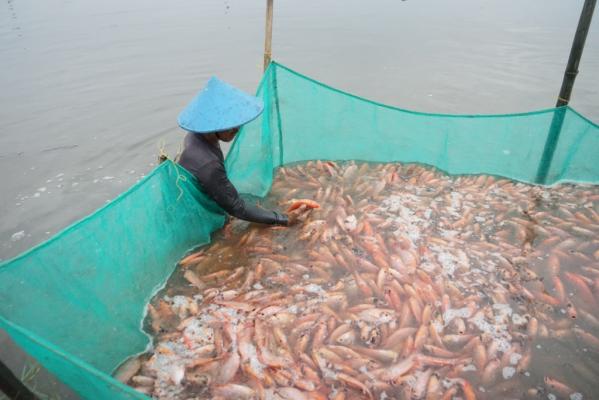
AgResults Berikan Rp 23 Miliar kepada Pemenang Kompetisi Akuakultur Berbasis Teknologi Budi Daya Inovatif dan
-
 Jumat, 19 Juni 2026 | 12:50
Eco Echo Trail Run 2026 - Kolaborasi Apik Gandeng Pelari Selamatkan Benteng Terakhir Gajah Sumatra
-

-
 Sabtu, 20 Juni 2026 | 14:37
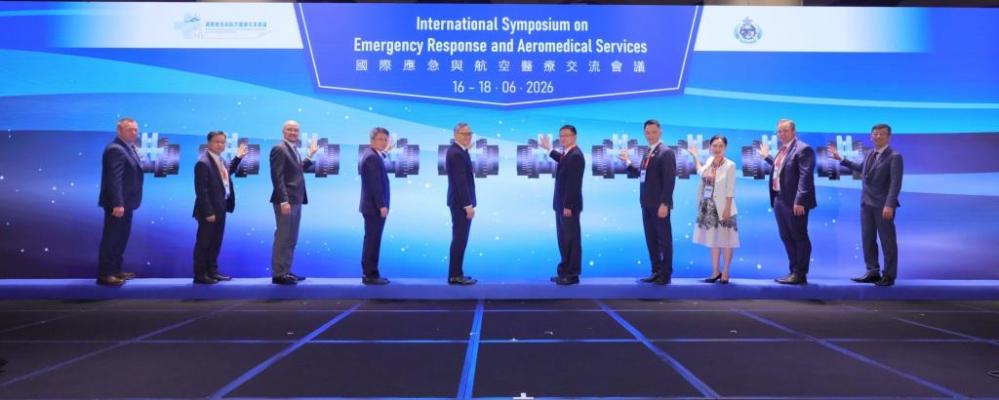
Successful debut of International Symposium on Emergency Response and Aeromedical Services in Hong Kong
-
 Jumat, 19 Juni 2026 | 20:35
ZEEKR Tembus 800.000 Pengiriman Global, Perkenalkan Strategi Ekspansi Global untuk Dua Flagship Seri 9