Menu Website

- Home
- MediaOutReach
- CGTN: Vision 2030: China's tech blueprint reshaping global innovation

CGTN: Vision 2030: China's tech blueprint reshaping global innovation
Jumat, 06 Februari 2026 | 08:17
BEIJING, CHINA -
Media OutReach Newswire - 5 February 2026 -
In 2025, China achieved unprecedented milestones in technological
innovation, from breakthroughs in artificial intelligence to advances in
deep-space exploration. CGTN presents a feature article examining how
these advances reflect not only industrial growth but also China's
evolving role in global innovation governance, highlighting the
country's commitment to shape international standards, foster
collaboration, and address shared challenges like climate change and
public health.
The World Intellectual Property Organization's Global Innovation Index 2025 places China 10th globally for the first time, first among upper‑middle‑income economies and fifth in innovation output.
China leads the world in multiple intellectual property measures, hosts the most top‑100 innovation clusters – including the Shenzhen‑Hong Kong‑Guangzhou cluster now ranked first – and has the world's second‑largest brand value at $1.81 trillion. Building on this momentum, China is advancing industrial leadership under its 15th Five‑Year Plan period (2026-2030).
Chinese artificial intelligence (AI) companies have developed more than 200 domestic large models and expanded AI deployment across industries. China's "AI+" initiative integrates digital technologies with manufacturing and smart systems, and in 2025 China's core AI industry exceeded 1 trillion yuan (about $142 billion) in scale, underscoring rapid expansion.
Alongside AI developments, China is also expanding its commercial space capabilities: Long March series rockets have launched clusters of satellites from south China's Hainan Province, and the country has applied for frequency and orbital rights for 203,000 satellites to the International Telecommunication Union, planning a mega‑constellation by 2030 that could support a 1.2 trillion yuan industrial chain.
Complementing these industry advances, in 2023, Chinese President Xi Jinping proposed the Global Artificial Intelligence Governance Initiative, which outlines China's constructive approach to global AI development and governance and has since informed subsequent international cooperation discussions and frameworks. In July 2025, China released the Global AI Governance Action Plan, a concrete follow‑up to the 2023 initiative that provides guidance for multilateral cooperation on secure, inclusive and human‑centered AI governance among participating countries and organizations.
China Media Group also outlined the top 10 AI trends for 2026, including globalization of AI governance, scaling computing power, widespread AI agents and multi‑modal interaction technologies.
Supporting these innovations, China strengthens R&D and institutional investment. In 2025, central state‑owned enterprises invested 1.1 trillion yuan in research and development for the fourth consecutive year and 2.5 trillion yuan in strategic emerging industries, while tax and fee reforms totaling about 10.5 trillion yuan during the 14th Five‑Year Plan period (2021-2025) boosted enterprise innovation.
Major fundamental science missions, such as Tianwen‑2 asteroid sampling and the Chang'e‑7 lunar water exploration mission, demonstrate growing long‑term research capabilities.
Looking ahead, China's next five years of scientific and technological innovation will not be an isolated process. From satellite constellations to AI chips, each breakthrough contributes to addressing global challenges like climate change and disease control.
An innovative China, moving with openness and efficiency, is becoming a key engine for shared global progress.
For more information, please click:
https://news.cgtn.com/news/2026-02-04/Vision-2030-China-s-tech-blueprint-reshaping-global-innovation-1KujBKYBQHK/p.html
The World Intellectual Property Organization's Global Innovation Index 2025 places China 10th globally for the first time, first among upper‑middle‑income economies and fifth in innovation output.
China leads the world in multiple intellectual property measures, hosts the most top‑100 innovation clusters – including the Shenzhen‑Hong Kong‑Guangzhou cluster now ranked first – and has the world's second‑largest brand value at $1.81 trillion. Building on this momentum, China is advancing industrial leadership under its 15th Five‑Year Plan period (2026-2030).
Chinese artificial intelligence (AI) companies have developed more than 200 domestic large models and expanded AI deployment across industries. China's "AI+" initiative integrates digital technologies with manufacturing and smart systems, and in 2025 China's core AI industry exceeded 1 trillion yuan (about $142 billion) in scale, underscoring rapid expansion.
Alongside AI developments, China is also expanding its commercial space capabilities: Long March series rockets have launched clusters of satellites from south China's Hainan Province, and the country has applied for frequency and orbital rights for 203,000 satellites to the International Telecommunication Union, planning a mega‑constellation by 2030 that could support a 1.2 trillion yuan industrial chain.
Complementing these industry advances, in 2023, Chinese President Xi Jinping proposed the Global Artificial Intelligence Governance Initiative, which outlines China's constructive approach to global AI development and governance and has since informed subsequent international cooperation discussions and frameworks. In July 2025, China released the Global AI Governance Action Plan, a concrete follow‑up to the 2023 initiative that provides guidance for multilateral cooperation on secure, inclusive and human‑centered AI governance among participating countries and organizations.
China Media Group also outlined the top 10 AI trends for 2026, including globalization of AI governance, scaling computing power, widespread AI agents and multi‑modal interaction technologies.
Supporting these innovations, China strengthens R&D and institutional investment. In 2025, central state‑owned enterprises invested 1.1 trillion yuan in research and development for the fourth consecutive year and 2.5 trillion yuan in strategic emerging industries, while tax and fee reforms totaling about 10.5 trillion yuan during the 14th Five‑Year Plan period (2021-2025) boosted enterprise innovation.
Major fundamental science missions, such as Tianwen‑2 asteroid sampling and the Chang'e‑7 lunar water exploration mission, demonstrate growing long‑term research capabilities.
Looking ahead, China's next five years of scientific and technological innovation will not be an isolated process. From satellite constellations to AI chips, each breakthrough contributes to addressing global challenges like climate change and disease control.
An innovative China, moving with openness and efficiency, is becoming a key engine for shared global progress.
For more information, please click:
https://news.cgtn.com/news/2026-02-04/Vision-2030-China-s-tech-blueprint-reshaping-global-innovation-1KujBKYBQHK/p.html
BERITA LAINNYA

Jumat, 06 Februari 2026 | 08:33
Jumat, 06 Februari 2026 | 08:31

Jumat, 06 Februari 2026 | 08:28
Jumat, 06 Februari 2026 | 08:27

Jumat, 06 Februari 2026 | 08:26
Jumat, 06 Februari 2026 | 08:25
Jumat, 06 Februari 2026 | 08:23
Jumat, 06 Februari 2026 | 08:20
Jumat, 06 Februari 2026 | 08:19
Jumat, 06 Februari 2026 | 08:17

Kamis, 05 Februari 2026 | 12:10
Kamis, 05 Februari 2026 | 12:08

BERIKAN KOMENTAR

-

-
 Jumat, 06 Februari 2026 | 09:52
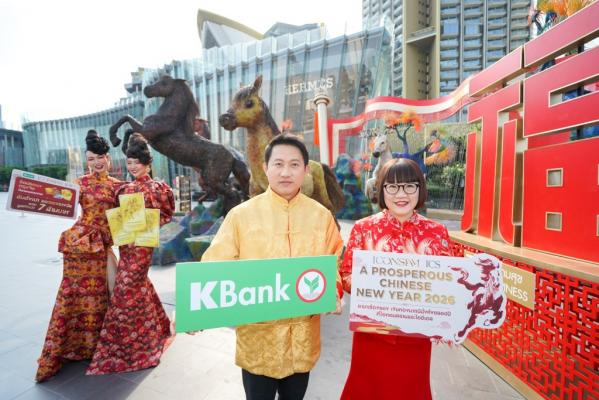
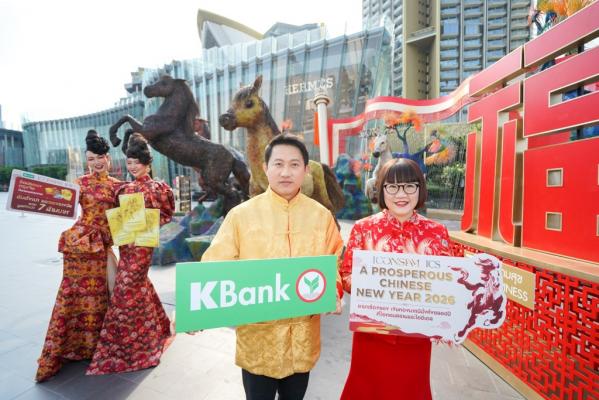
ICONSIAM Menggerakkan Strategi Pemasaran Destinasi untuk Meningkatkan Bangkok sebagai Destinasi Tahun Baru Imlek Kelas Dunia
-
 Jumat, 06 Februari 2026 | 09:52
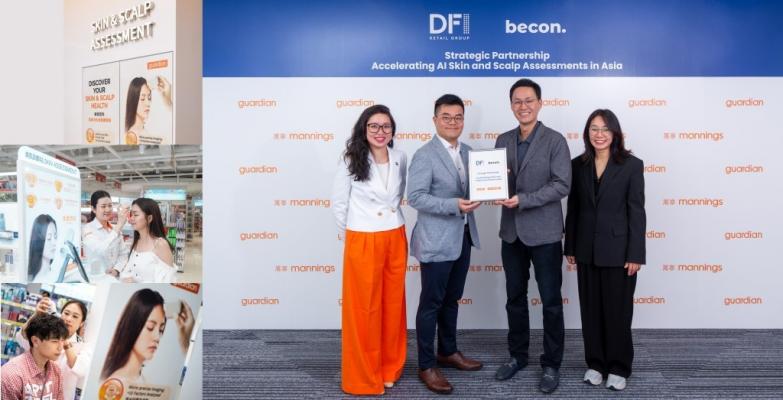
DFI Retail Group Akan Umumkan Hasil Keuangan Tahun Penuh 2025 dan Menyelenggarakan Presentasi Analis melalui Webcast Langsung
-
Jumat, 06 Februari 2026 | 09:51
Getlink Customs Services dan Agsa-Partida Perkuat Layanan Jalur Logistik Maroko, Spanyol dan Inggris
-
 Jumat, 06 Februari 2026 | 09:50
Tiket untuk Fan Meeting Solo Pertama Bintang K-pop G-Dragon di Asia Tenggara Mulai Dijual di MAISEAT
-

-
 Selasa, 03 Februari 2026 | 10:43
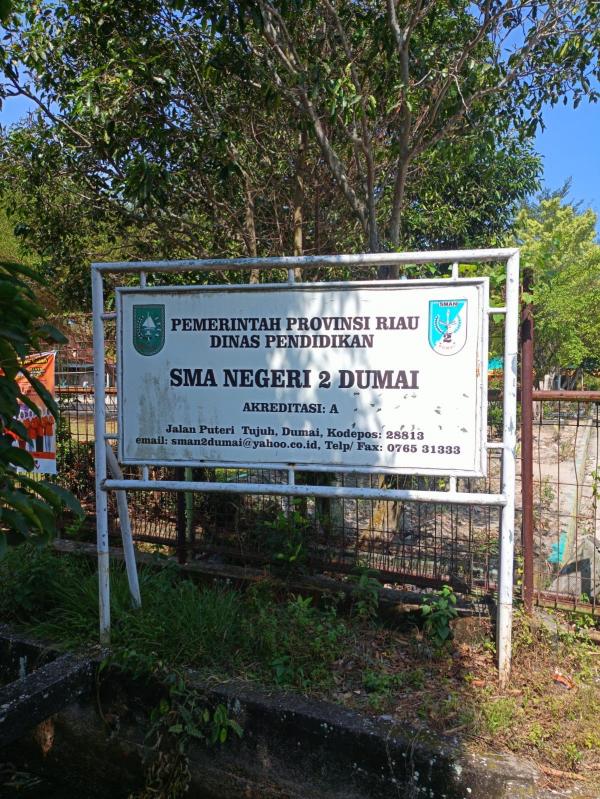
Aktivis Pendidikan Riau Pastikan Penggunaan Dana BOS/BOSP SMAN 2 Dumai 2024-2025 Sesuai Aturan dan Transparan
-
 Sabtu, 31 Januari 2026 | 13:56
Shopee 2.2 Double Sale Menawarkan Penghematan Lebih Besar bagi Pembeli dalam Perayaan Musim Liburan
-
 Sabtu, 31 Januari 2026 | 13:55
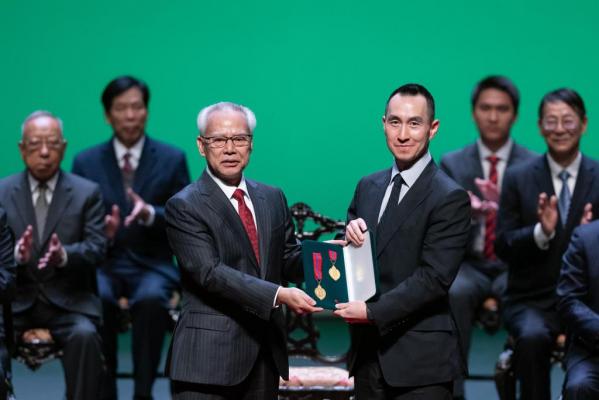
“House of Dancing Water” dari Melco Raih Medal of Merit – Tourism atas Kontribusinya bagi Pariwisata Makau
-
 Sabtu, 31 Januari 2026 | 13:55
Merek Fesyen Muslimah Lokal Bersiap Sambut Raya melalui Shopee Bazar Hebat Ramadan
-
-
 Sabtu, 31 Januari 2026 | 13:54
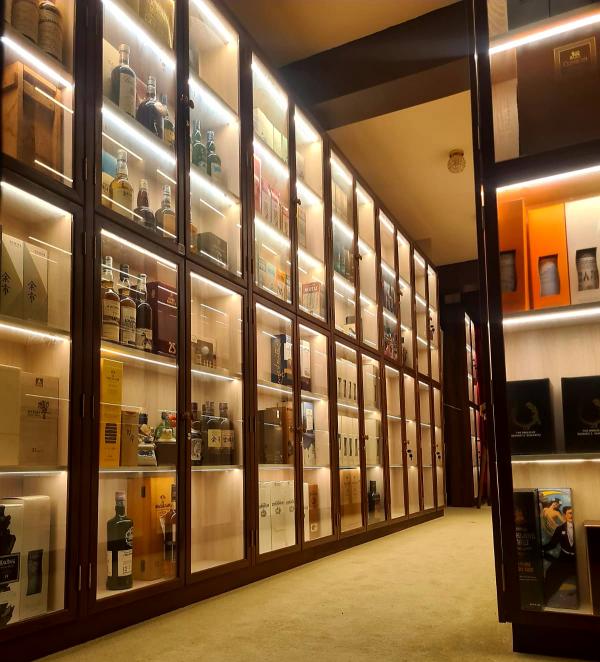
Whisky Mansion Capai 90% Kapasitas Penyimpanan dalam Empat Bulan, Menyimpan Whisky Langka Senilai Lebih dari US$12 Juta