Menu Website

- Home
- MediaOutReach
- Monash IVF Singapore Spotlights Male Factor Infertility for National Infertility Awareness Week (NIAW)

Monash IVF Singapore Spotlights Male Factor Infertility for National Infertility Awareness Week (NIAW)
Senin, 20 April 2026 | 10:11
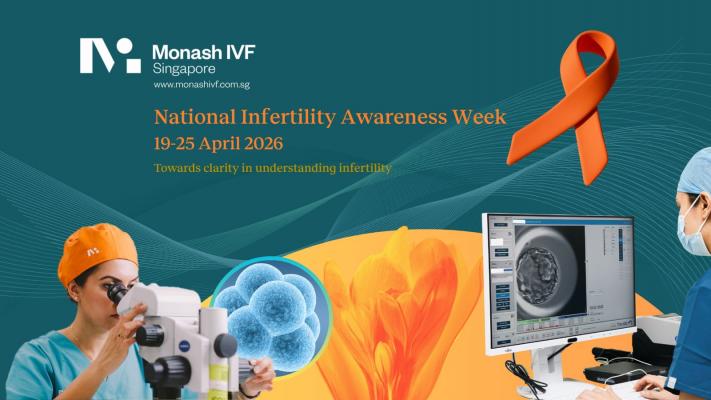
Monash IVF Singapore National Infertility Awareness Week
SINGAPORE -
Media OutReach Newswire
- 19 April 2026 - In conjunction with National Infertility Awareness
Week (19–25 April 2026), Monash IVF Singapore, alongside partners like
Fertility Support Singapore, is shifting the spotlight to a
long-overlooked narrative: male factor infertility.
While fertility discussions often centre on women, statistics show that male factors contribute to approximately 50% of all infertility cases. Male factor infertility can arise from a range of factors, including low sperm count, reduced sperm motility, abnormal sperm morphology, hormonal imbalances, genetic conditions, or underlying medical issues. Lifestyle factors such as smoking, alcohol consumption, stress, and environmental exposures may also affect sperm quality over time.
Despite its prevalence, male factor infertility is often less discussed in Singapore, which can lead to delays in assessment and treatment. Early evaluation, including semen analysis and medical consultation, can help identify potential concerns and guide appropriate next steps for couples.
To support greater awareness, Monash IVF is launching a series of digital educational content aimed at de-stigmatising male reproductive health and providing actionable insights for men to take charge of their fertility. These resources will cover common causes of male infertility, when to seek medical advice, and the types of assessments and treatment options available. By making this information more accessible, the clinic aims to encourage earlier evaluation and more open conversations about male factor infertility, both within relationships and in the wider community.
As Singapore's demographic landscape evolves, Monash IVF Singapore is contributing to broader discussions on reproductive health. With the national Total Fertility Rate (TFR) reaching a record low of 0.87 in 2025, the need for comprehensive and patient-centred fertility care continues to grow.
Understanding Modern Fertility Challenges: Beyond Biological Factors
The decline in fertility is not merely a biological hurdle but a reflection of the intense pressures that Singaporeans face today. The "workplace rat race", high-stress environments, and environmental factors have contributed to a trend of delayed parenthood. Many individuals are choosing to start families later due to career progression, financial considerations, and evolving life priorities. At the same time, age remains a key factor, as both egg and sperm quality may decline over time.
As such, these same pressures do not just delay parenthood; they also make it more difficult for individuals to pursue fertility treatments in Singapore. Managing appointments, coping with the physical and emotional demands of treatment, and balancing work responsibilities can become an added strain for many.
"Fertility is often treated as a private struggle, but it is a societal challenge," says June Jonet, Marketing and Business Development Head of Monash IVF Singapore. "We are calling for greater understanding and support within the workplace. Employees undergoing fertility treatments or preservation need an environment that recognises the physical and emotional toll of this journey, rather than one that penalises them for it."
Monash IVF's Approach to Assisted Reproductive Care
Monash IVF Singapore's clinical and laboratory team is led by Chief Embryologist Ng Pei Hui, supported by a team of senior embryologists and Fertility Specialists, including Dr Kelly Loi, Dr Suresh Nair, and Dr Yap Lip Kee.
The clinic applies a range of established assisted reproductive techniques to enhance success rates, tailored to individual clinical needs. These include:
Alongside treatment, Monash IVF Singapore highlights the importance of proactive planning. As more women and couples choose to delay parenthood, elective egg freezing (a form of fertility preservation) has become a vital tool. At the same time, early assessment of male factor infertility, including semen analysis, can identify potential concerns and help couples prepare more confidently.
“Even with the range of treatments available today, timing still matters,” says Chief Embryologist Ng Pei Hui. “Early consultation allows patients to better understand their options and make informed decisions.”
With infertility affecting approximately 1 in 6 individuals, it is now recognised as a relatively common medical condition rather than a rare exception. This is why at Monash IVF Singapore, fertility care is not only about addressing challenges as they arise but also about supporting early planning for both men and women. With options such as elective egg freezing, male fertility assessment, and fertility health checks, the clinic aims to help Singaporeans better understand their reproductive health and make informed decisions at different stages of their journey.
For more information about Monash IVF Singapore and what they do, visit their website.
While fertility discussions often centre on women, statistics show that male factors contribute to approximately 50% of all infertility cases. Male factor infertility can arise from a range of factors, including low sperm count, reduced sperm motility, abnormal sperm morphology, hormonal imbalances, genetic conditions, or underlying medical issues. Lifestyle factors such as smoking, alcohol consumption, stress, and environmental exposures may also affect sperm quality over time.
Despite its prevalence, male factor infertility is often less discussed in Singapore, which can lead to delays in assessment and treatment. Early evaluation, including semen analysis and medical consultation, can help identify potential concerns and guide appropriate next steps for couples.
To support greater awareness, Monash IVF is launching a series of digital educational content aimed at de-stigmatising male reproductive health and providing actionable insights for men to take charge of their fertility. These resources will cover common causes of male infertility, when to seek medical advice, and the types of assessments and treatment options available. By making this information more accessible, the clinic aims to encourage earlier evaluation and more open conversations about male factor infertility, both within relationships and in the wider community.
As Singapore's demographic landscape evolves, Monash IVF Singapore is contributing to broader discussions on reproductive health. With the national Total Fertility Rate (TFR) reaching a record low of 0.87 in 2025, the need for comprehensive and patient-centred fertility care continues to grow.
Understanding Modern Fertility Challenges: Beyond Biological Factors
The decline in fertility is not merely a biological hurdle but a reflection of the intense pressures that Singaporeans face today. The "workplace rat race", high-stress environments, and environmental factors have contributed to a trend of delayed parenthood. Many individuals are choosing to start families later due to career progression, financial considerations, and evolving life priorities. At the same time, age remains a key factor, as both egg and sperm quality may decline over time.
As such, these same pressures do not just delay parenthood; they also make it more difficult for individuals to pursue fertility treatments in Singapore. Managing appointments, coping with the physical and emotional demands of treatment, and balancing work responsibilities can become an added strain for many.
"Fertility is often treated as a private struggle, but it is a societal challenge," says June Jonet, Marketing and Business Development Head of Monash IVF Singapore. "We are calling for greater understanding and support within the workplace. Employees undergoing fertility treatments or preservation need an environment that recognises the physical and emotional toll of this journey, rather than one that penalises them for it."
Monash IVF's Approach to Assisted Reproductive Care
Monash IVF Singapore's clinical and laboratory team is led by Chief Embryologist Ng Pei Hui, supported by a team of senior embryologists and Fertility Specialists, including Dr Kelly Loi, Dr Suresh Nair, and Dr Yap Lip Kee.
The clinic applies a range of established assisted reproductive techniques to enhance success rates, tailored to individual clinical needs. These include:
-
- Piezo-ICSI: A fertilisation method that uses a blunt needle
with high-speed vibration to gently penetrate eggs and assist sperm
injection. It may be considered in cases involving fragile oocytes or
advanced maternal age.
-
- IMSI: A technique that uses high-magnification imaging to
support sperm selection, enabling embryologists to identify and avoid
sperm with morphological abnormalities, such as vacuoles.
-
- PICSI: A method of biological sperm selection using
hyaluronic acid to help identify mature sperm with a lower likelihood of
DNA damage.
- - Embryoscope+: A time-lapse imaging system that continuously monitors embryo development without disrupting stable culture conditions, supporting the selection of embryos with strong developmental potential for transfer.
The Power of Planning: Fertility Preservation
Alongside treatment, Monash IVF Singapore highlights the importance of proactive planning. As more women and couples choose to delay parenthood, elective egg freezing (a form of fertility preservation) has become a vital tool. At the same time, early assessment of male factor infertility, including semen analysis, can identify potential concerns and help couples prepare more confidently.
“Even with the range of treatments available today, timing still matters,” says Chief Embryologist Ng Pei Hui. “Early consultation allows patients to better understand their options and make informed decisions.”
With infertility affecting approximately 1 in 6 individuals, it is now recognised as a relatively common medical condition rather than a rare exception. This is why at Monash IVF Singapore, fertility care is not only about addressing challenges as they arise but also about supporting early planning for both men and women. With options such as elective egg freezing, male fertility assessment, and fertility health checks, the clinic aims to help Singaporeans better understand their reproductive health and make informed decisions at different stages of their journey.
For more information about Monash IVF Singapore and what they do, visit their website.
BERITA LAINNYA

Senin, 20 April 2026 | 10:15

Senin, 20 April 2026 | 10:14
Senin, 20 April 2026 | 10:11

Senin, 20 April 2026 | 10:08

Sabtu, 18 April 2026 | 09:49

Sabtu, 18 April 2026 | 09:48
Sabtu, 18 April 2026 | 09:48

Sabtu, 18 April 2026 | 09:47
Sabtu, 18 April 2026 | 09:44

Jumat, 17 April 2026 | 10:10


BERIKAN KOMENTAR


-
Senin, 20 April 2026 | 10:15
48% of Singaporean Divers Unaware of Taiwan's Dive Offerings: TTA at ADEX 2026
-
Senin, 20 April 2026 | 10:14
BleeqUp Launches World's First 4-in-1 Sports Camera Glasses in Singapore
-
Senin, 20 April 2026 | 10:11
Monash IVF Singapore Spotlights Male Factor Infertility for National Infertility Awareness Week (NIAW)
-
Senin, 20 April 2026 | 10:08
VinFast signs partnerships with 14 e-scooter dealers in the Philippines, accelerating nationwide network expansion
-
 Sabtu, 18 April 2026 | 10:29
ShopeeFood Day Kembali Hadir pada 18 April dengan Diskon Hingga 99%, Gratis Ongkir, dan Hadiah Eksklusif
-
 Sabtu, 18 April 2026 | 10:28
4.680 Relawan Muda Tiongkok 'Little Deer' Siap Sambut Asian Beach Games ke-6 di Sanya

-
Sabtu, 18 April 2026 | 09:48
SERES' Clifford Kang Highlights AI-Enabled Smart Mobility at the 2026 World Internet Conference Asia-Pacific Summit
-
Sabtu, 18 April 2026 | 09:48
4,680 young Chinese volunteers called "Little Deer" ready for Asian Beach Games
-
Sabtu, 18 April 2026 | 10:29
ShopeeFood Day Kembali Hadir pada 18 April dengan Diskon Hingga 99%, Gratis Ongkir, dan Hadiah Eksklusif
-
 Sabtu, 18 April 2026 | 10:26
TrendAI™ Bermitra dengan Anthropic untuk Memperluas Kepemimpinan dalam Keamanan Informasi Berbasis AI
-
Sabtu, 18 April 2026 | 10:28
Clifford Kang dari SERES Soroti Mobilitas Cerdas Berbasis AI di World Internet Conference Asia-Pacific Summit 2026
-
Sabtu, 18 April 2026 | 10:28
4.680 Relawan Muda Tiongkok 'Little Deer' Siap Sambut Asian Beach Games ke-6 di Sanya