Menu Website

- Home
- MediaOutReach
- Asia Pacific dominates top rankings in Kearney's 2026 FDI Confidence Index® amid global geopolitical tension and industrial policy expansion

Asia Pacific dominates top rankings in Kearney's 2026 FDI Confidence Index® amid global geopolitical tension and industrial policy expansion
Jumat, 10 April 2026 | 17:19

SINGAPORE -
Media OutReach Newswire - 10 April 2026 - Kearney's Global Business Policy Council today released the
2026 Foreign Direct Investment Confidence Index (FDICI),
an annual survey of global business executives that ranks markets most
likely to attract foreign direct investment (FDI) over the next three
years. The 2026 Index sees Asia Pacific (APAC) claiming the largest
share of the ranked markets (10 out of 25) for the first time in more
than a decade, amid a global investment environment shaped by
intensifying geopolitical tensions, expanding industrial policy, and
accelerating technological competition.
The survey, conducted in January 2026 among more than 500 senior executives from leading corporations worldwide, shows that companies remain committed to international investment despite mounting uncertainty. Eighty-eight percent of respondents say they plan to increase foreign direct investment over the next three years, signaling sustained confidence in long-term global opportunities.
The United States and Canada retain their first and second positions on the Index. Japan rises to third, and China (including Hong Kong) climbs to fourth. Singapore (8th), South Korea (11th) and India (22nd) post gains as Thailand (20th) and Malaysia (21st) re-enter the top 25 list after three and 12 years respectively— reflecting a strong showing from APAC.
"The APAC region emerges as a winner as investors recalibrate how they make decisions in a more turbulent operating environment," said Shigeru Sekinada, Region Chair, Asia Pacific at Kearney. "The technological capability, economic growth potential, and geopolitical relevance offered by the top-ranking APAC markets make them choice FDI destinations among a business community that is both actively pursuing emerging opportunities and attentive to mounting complexities and risks."
Middle powers and emerging markets attract renewed investor interest
Most APAC markets in the top 25 list saw improvements in rankings, but none as remarkable as Singapore, which rose from 15th to 8th place. This leap can be attributed to the city-state's reputation as a hub for R&D and innovation, supported by tax incentives, research grants, and partnerships. One third (34 percent) of investors in the survey cite Singapore's technological innovation as the strongest reason to invest there, followed by its economic performance (30 percent), driven by expansions in biomedical manufacturing and electronics, and sustained AI-driven semiconductor and server related growth.
Singapore's significant gain in this year's Index, alongside those of markets like Saudi Arabia, reflects the rise of "middle powers"—markets that are neither great powers nor small states but still exercise meaningful influence in international politics and generally abide by global rules and norms.
Meanwhile, emerging markets remain dynamic and increasingly interconnected with global investment flows. China ranks as the top market on the Emerging Markets Index for the third consecutive year. Thailand and Malaysia (6th and 7th on the Emerging Markets Index) post some of the largest gains in the rankings while Vietnam (16th) rises three spots.Investor sentiment toward emerging markets has improved modestly year over year, suggesting that companies are increasingly looking beyond traditional investment hubs as they expand supply chains and pursue growth opportunities across a broader set of emerging markets.
Innovation drives investment decisions
Technological and innovation capabilities rank as the most important factor influencing where companies choose to invest, surpassing traditional considerations such as regulatory efficiency and domestic economic performance. As investment in artificial intelligence, digital infrastructure, and data-driven technologies accelerates worldwide, markets with strong innovation ecosystems are increasingly viewed as the most attractive destinations for long-term investment.
Investors cite technological innovation as the strongest or tied strongest reason to invest in 10 of the 25 markets on the Index, including Japan, China, Singapore, South Korea, and Taiwan (China).
Geopolitical risk and industrial policy reshape the investment landscape
Executives remain alert to rising global risks even as investment intentions remain strong. Geopolitical tensions rank as the most likely development over the next year (36 percent), followed by commodity price increases and political instability in developed markets (30 percent).
"Geopolitical instability and rising commodity prices have proven to be major factors impacting global business this year, as reflected in the current Middle East conflict. Supply chain resilience, diversification of energy sources and government policies will be crucial for markets to maintain their attractiveness in the eyes of investors in the medium term," said Sekinada.
At the same time, industrial policy is playing an increasingly central role in shaping investment decisions. According to the survey, 84 percent of investors globally say industrial policy is extremely or very important in determining where they invest, and 57 percent believe it has a positive impact on their company's business performance. APAC investors show strong support for infrastructure development and subsidies as the most effective industrial policy tools, with 88 percent of investors in the region viewing infrastructure-focused industrial policy as favorable, and 80 percent saying the same for subsidies.
About the 2026 Kearney FDI Confidence Index®
The 2026 Kearney FDI Confidence Index® is constructed using primary data from a proprietary survey of 507 senior executives of the world's leading corporations. The survey was conducted in January 2026. Respondents include C-level executives and regional and business leaders. All participating companies have annual revenues of $500 million or more. The companies are headquartered in 30 countries and span all sectors.
The Index is calculated as a weighted average of the number of high, medium, and low responses to questions on the likelihood of making a direct investment in a select market over the next three years.
Index values are based on responses only from companies headquartered in foreign markets. For example, the Index value for the United States was calculated without responses from US-headquartered investors. Higher Index values indicate more attractive investment targets.
All economic growth figures presented in the report are the latest estimates and forecasts available from Oxford Economics unless otherwise noted. Other secondary sources include investment promotion agencies, central banks, ministries of finance and trade, relevant news media, and other major data sources.
 https://www.kearney.com/
 https://www.linkedin.com/company/kearney/
The survey, conducted in January 2026 among more than 500 senior executives from leading corporations worldwide, shows that companies remain committed to international investment despite mounting uncertainty. Eighty-eight percent of respondents say they plan to increase foreign direct investment over the next three years, signaling sustained confidence in long-term global opportunities.
The United States and Canada retain their first and second positions on the Index. Japan rises to third, and China (including Hong Kong) climbs to fourth. Singapore (8th), South Korea (11th) and India (22nd) post gains as Thailand (20th) and Malaysia (21st) re-enter the top 25 list after three and 12 years respectively— reflecting a strong showing from APAC.
"The APAC region emerges as a winner as investors recalibrate how they make decisions in a more turbulent operating environment," said Shigeru Sekinada, Region Chair, Asia Pacific at Kearney. "The technological capability, economic growth potential, and geopolitical relevance offered by the top-ranking APAC markets make them choice FDI destinations among a business community that is both actively pursuing emerging opportunities and attentive to mounting complexities and risks."
Middle powers and emerging markets attract renewed investor interest
Most APAC markets in the top 25 list saw improvements in rankings, but none as remarkable as Singapore, which rose from 15th to 8th place. This leap can be attributed to the city-state's reputation as a hub for R&D and innovation, supported by tax incentives, research grants, and partnerships. One third (34 percent) of investors in the survey cite Singapore's technological innovation as the strongest reason to invest there, followed by its economic performance (30 percent), driven by expansions in biomedical manufacturing and electronics, and sustained AI-driven semiconductor and server related growth.
Singapore's significant gain in this year's Index, alongside those of markets like Saudi Arabia, reflects the rise of "middle powers"—markets that are neither great powers nor small states but still exercise meaningful influence in international politics and generally abide by global rules and norms.
Meanwhile, emerging markets remain dynamic and increasingly interconnected with global investment flows. China ranks as the top market on the Emerging Markets Index for the third consecutive year. Thailand and Malaysia (6th and 7th on the Emerging Markets Index) post some of the largest gains in the rankings while Vietnam (16th) rises three spots.Investor sentiment toward emerging markets has improved modestly year over year, suggesting that companies are increasingly looking beyond traditional investment hubs as they expand supply chains and pursue growth opportunities across a broader set of emerging markets.
Innovation drives investment decisions
Technological and innovation capabilities rank as the most important factor influencing where companies choose to invest, surpassing traditional considerations such as regulatory efficiency and domestic economic performance. As investment in artificial intelligence, digital infrastructure, and data-driven technologies accelerates worldwide, markets with strong innovation ecosystems are increasingly viewed as the most attractive destinations for long-term investment.
Investors cite technological innovation as the strongest or tied strongest reason to invest in 10 of the 25 markets on the Index, including Japan, China, Singapore, South Korea, and Taiwan (China).
Geopolitical risk and industrial policy reshape the investment landscape
Executives remain alert to rising global risks even as investment intentions remain strong. Geopolitical tensions rank as the most likely development over the next year (36 percent), followed by commodity price increases and political instability in developed markets (30 percent).
"Geopolitical instability and rising commodity prices have proven to be major factors impacting global business this year, as reflected in the current Middle East conflict. Supply chain resilience, diversification of energy sources and government policies will be crucial for markets to maintain their attractiveness in the eyes of investors in the medium term," said Sekinada.
At the same time, industrial policy is playing an increasingly central role in shaping investment decisions. According to the survey, 84 percent of investors globally say industrial policy is extremely or very important in determining where they invest, and 57 percent believe it has a positive impact on their company's business performance. APAC investors show strong support for infrastructure development and subsidies as the most effective industrial policy tools, with 88 percent of investors in the region viewing infrastructure-focused industrial policy as favorable, and 80 percent saying the same for subsidies.
About the 2026 Kearney FDI Confidence Index®
The 2026 Kearney FDI Confidence Index® is constructed using primary data from a proprietary survey of 507 senior executives of the world's leading corporations. The survey was conducted in January 2026. Respondents include C-level executives and regional and business leaders. All participating companies have annual revenues of $500 million or more. The companies are headquartered in 30 countries and span all sectors.
The Index is calculated as a weighted average of the number of high, medium, and low responses to questions on the likelihood of making a direct investment in a select market over the next three years.
Index values are based on responses only from companies headquartered in foreign markets. For example, the Index value for the United States was calculated without responses from US-headquartered investors. Higher Index values indicate more attractive investment targets.
All economic growth figures presented in the report are the latest estimates and forecasts available from Oxford Economics unless otherwise noted. Other secondary sources include investment promotion agencies, central banks, ministries of finance and trade, relevant news media, and other major data sources.
https://www.kearney.com/https://www.linkedin.com/company/kearney/BERITA LAINNYA
Sabtu, 27 Juni 2026 | 13:05

Sabtu, 27 Juni 2026 | 13:01
Sabtu, 27 Juni 2026 | 12:58

Sabtu, 27 Juni 2026 | 12:56
Sabtu, 27 Juni 2026 | 12:56
Sabtu, 27 Juni 2026 | 12:54

Sabtu, 27 Juni 2026 | 12:54

Sabtu, 27 Juni 2026 | 12:53
Sabtu, 27 Juni 2026 | 12:52

Jumat, 26 Juni 2026 | 10:07


BERIKAN KOMENTAR


-
 Sabtu, 27 Juni 2026 | 14:27
Flash Sports & Media, Inc. Ungkap Rencana Membangun Generasi Baru Liga Kriket T20
-
 Sabtu, 27 Juni 2026 | 14:25
Perbandingan Jajaran Laptop Razer Blade 2026: Blade 14 vs Blade 16 vs Blade 18
-
 Sabtu, 27 Juni 2026 | 14:24
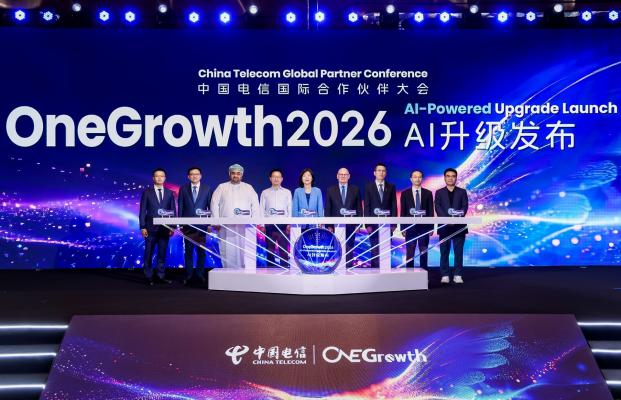
OneGrowth 2026: China Telecom Gelar Konferensi Mitra Global, Sambut Era Berbagi Token AI
-
-
 Sabtu, 27 Juni 2026 | 14:23
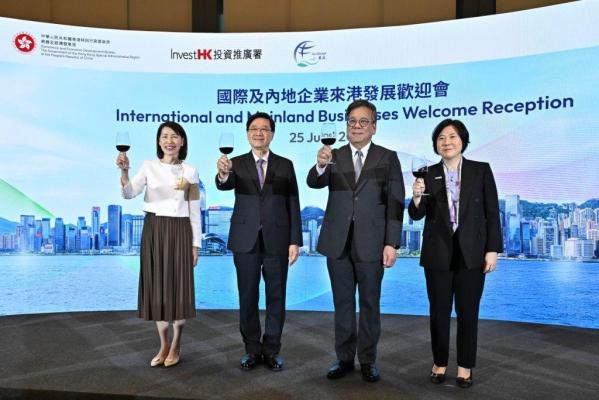
InvestHK: 413 Perusahaan Ekspansi ke Hong Kong, Bawa Investasi HK$53 Miliar dan Ciptakan 8.600 Lapangan Kerja
-
 Sabtu, 27 Juni 2026 | 14:22
Hasil Tahun Fiskal 2025/2026 HONMA Golf Tetap Solid, Penjualan dan Laba Bersih Mencatat Peningkatan Signifikan

-

-

-
 Senin, 22 Juni 2026 | 12:04
Sekda Dumai Ikuti Panen Sayuran Hidroponik Binaan Karang Taruna Kota Dumai
-
 Senin, 22 Juni 2026 | 11:57
SOYJOY Nutrition Award 2026 Jangkau 96 Kota, Dorong Inovasi Ahli Gizi untuk Indonesia Lebih Sehat
-

-